Exploring Home Light Art Installation: Bringing Gallery Concepts Home in 2025


“Light is not just illumination; it’s a medium for artistic expression that can transform any space into a living canvas, a Home Light Installation.”
1. The Evolution of Light Art: From Galleries to Living Rooms
Light art has always fascinated me. Now it has transformed into a Home light art installation.
It used to be something you’d only see in galleries—like those stunning, larger-than-life exhibits that make you feel like you’re stepping into another dimension. But lately, a shift is happening: people are bringing these concepts into their homes, and it’s magical.
What I love most is how accessible home light art installation has become. With advancements in technology—think affordable LED strips, programmable smart bulbs, and projection mapping—it’s easier than ever to recreate the feeling of a professional installation in your living space.
Another driver of this evolution is the growing trend toward personalization in interior design.
Homeowners want their spaces to feel unique and expressive. Adding a home light art installation, even a small one, can completely change the vibe of a room.
I started with something simple: a backlit geometric wall piece. It instantly became the focal point of the room, and guests couldn’t stop asking about it.
The best part? You don’t need a huge space or a gallery-level budget to pull it off. Light art is about creativity and storytelling.
Whether you’re projecting abstract patterns onto a blank wall or using shadow play with sculptural lamps, the possibilities are endless—and they make your home feel like a living, breathing work of art.
2. Understanding the Elements of Light Art Installations
Creating a light art installation at home might sound intimidating, but once you break it down, it’s really all about understanding a few key elements: light sources, materials, and spatial dynamics. These are the building blocks that will be used for your home light art installation you can adapt to your own space.
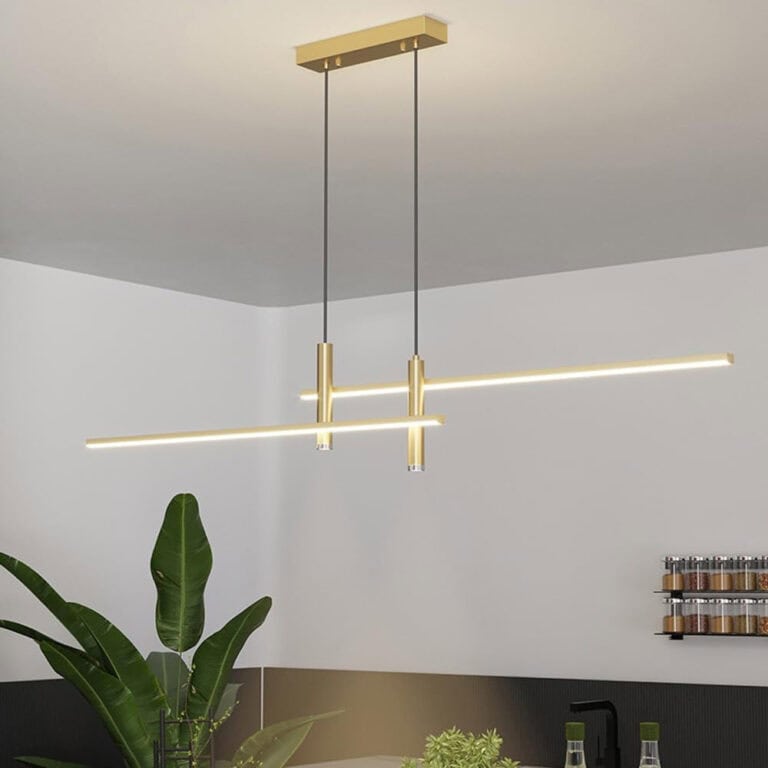
First up: the light source. LEDs are the most versatile option for home installations. They come in all shapes and sizes, from strips to spotlights, and many are programmable for colour and intensity.
Materials are just as important. Reflective surfaces like mirrors or metallics can amplify and scatter light in interesting ways.
Frosted glass or diffusing panels soften light for a more ethereal effect. I experimented with acrylic panels in my dining room, backlit by LEDs, and the result was stunning—it looked like a glowing sculpture.
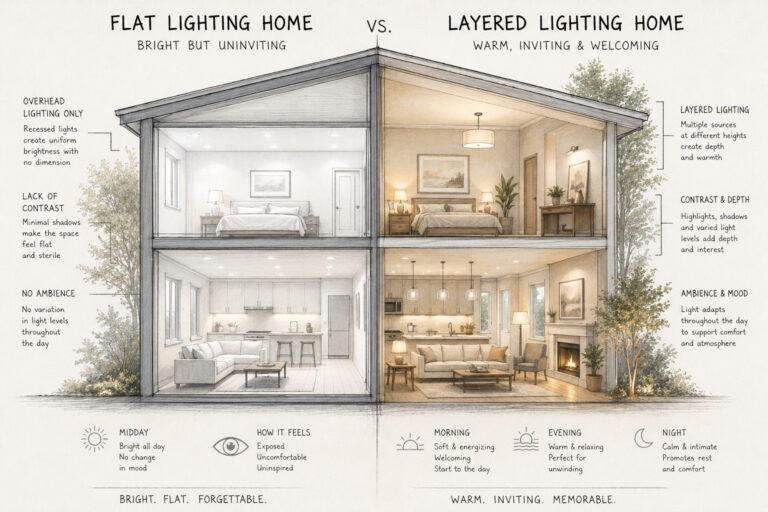
Finally, there’s spatial dynamics. Think about how light interacts with the room. Does it bounce off walls? Create shadows? Change the mood? One trick I love is layering—combining a bold spotlight with softer ambient lighting to create depth. The interplay between light and shadow is where the magic happens.
Understanding these elements doesn’t just help you recreate gallery-worthy installations; it helps you create something that’s truly yours. And the best part? You don’t need a degree in art—just a willingness to play and experiment.
3. Famous Light Artists and Their Home-Adaptable Concepts
When it comes to light art, a few big names always come to mind—and their work is a treasure trove of inspiration for creating your own home light installations. While their large-scale pieces might seem out of reach, the concepts they explore are surprisingly adaptable to residential spaces.
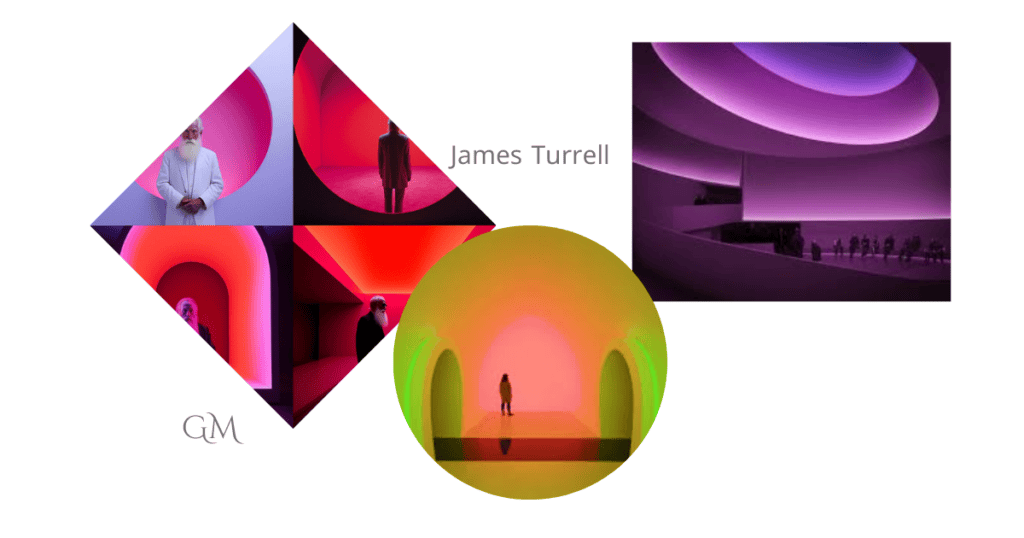
Take James Turrell, for example. His work focuses on the transformative power of light and colour. One of his simplest but most effective techniques is creating a “frame” for light, often through recessed panels or cleverly hidden fixtures. You can replicate this at home with LED strips placed behind furniture or within ceiling alcoves to create that same soft, glowing effect.
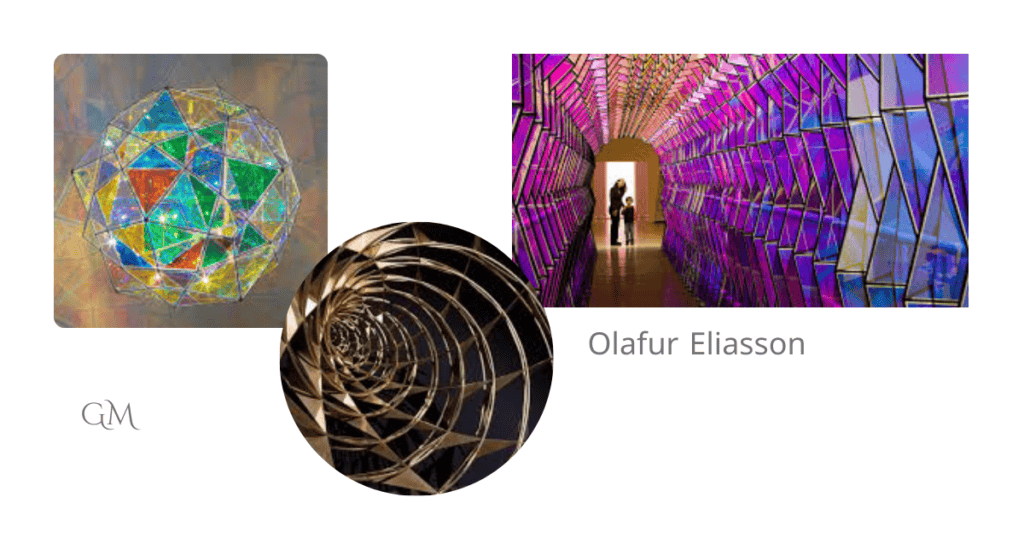
Then there’s Olafur Eliasson, who’s all about immersive experiences. His use of reflective surfaces and geometric patterns could inspire anyone. I once adapted his concept of fractured light by placing a prism near a sunny window. The way it threw rainbows across the room felt like an art exhibit in my own home.
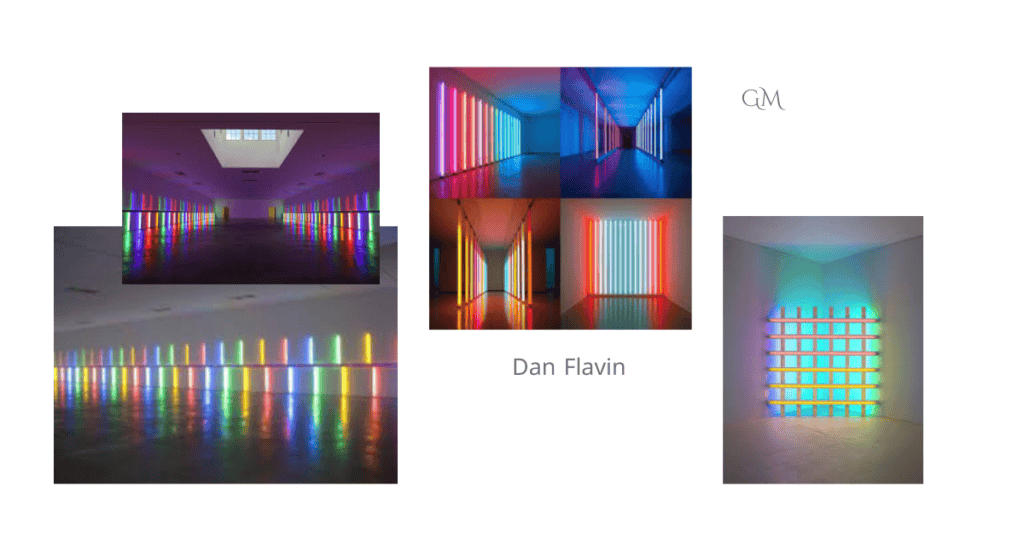
And who could forget Dan Flavin? His minimalist neon sculptures are iconic. While neon tubes might be a bold choice for your home, you can borrow his love for clean lines and saturated colours.
I created a simplified version of one of his works by arranging coloured LED tubes in a grid on a blank wall. It was easy, affordable, and instantly transformed the space.
These artists prove that light is more than just functional—it’s emotional, expressive, and deeply personal. By studying their work and applying their techniques on a smaller scale, you can turn your home into a space that feels as inspiring as a gallery.
4. Choosing the Right Space for Your Home Light Art Installation
When it comes to installing light art at home, choosing the right space is half the battle. Not every corner of your home will be a perfect canvas, but the right spot can make your installation shine—literally and figuratively.
Start by identifying spaces where lighting plays a big role in setting the mood. Living rooms, dining areas, and even hallways are great candidates because they’re places where people gather or pass through. For instance, I have a small alcove in my living room that felt like wasted space—until I turned it into a glowing art display with an LED light panel.
Next, think about how natural light interacts with the area. A dark corner can be transformed with a well-placed light sculpture, while a wall opposite a window might reflect and amplify light in interesting ways.
Just be mindful of overly bright spaces—your light art could get washed out if it’s competing with too much sunlight.
Finally, consider the size and layout of the space. A bold, geometric piece might overwhelm a small room but look stunning in an open concept area. Conversely, a subtle shadow play installation might be perfect for a cosy reading nook. Choosing the right space is about finding harmony between the light, the art, and the room’s vibe.
5. DIY Light Art Projects: Bringing Creativity Home
Creating your own home light art installation might sound daunting, but trust me, it’s easier than you think—and so rewarding. The best part? You don’t need to be an artist or spend a fortune. With a few tools and a little imagination, you can make a statement piece that transforms your space.
One of my favourite projects was a backlit geometric wall piece. I used a wood frame, some frosted acrylic panels, and a string of LED lights. The trick was diffusing the light to create a soft, even glow, and layering the panels to add depth. It became the centrepiece of my dining room, and guests always assume it’s some high-end designer piece.
Another fun project is shadow play. Grab a decorative object—like a branch, a cut-out design, or even an abstract sculpture—and position a spotlight to cast interesting shadows on the wall. I tried this with a wire sculpture I made, and it turned a blank wall into an ever-changing piece of art depending on the light angle.
For those who love colour, experimenting with programmable RGB lights is a game-changer. I used an app-controlled LED strip to outline a bookshelf, setting it to change colours based on the time of day. It’s fun, dynamic, and gives the space a completely different feel at night.
The key to DIY light art is to experiment. Start small, use what you have, and don’t be afraid to get creative. Even a simple project can have a big impact.
6. Incorporating Smart Technology in Home Light Art Installation
One of the simplest upgrades is using smart bulbs or LED strips. These allow you to change the colour, brightness, and even patterns through an app or voice commands.
I have a light sculpture in my hallway that cycles through soft blues and greens during the evening, thanks to a programmable smart strip. It’s soothing, customizable, and way more interactive than a static piece.
Scheduling is another game-changer. I have my living room installation set to gradually brighten as the sun sets. It adds this magical transition from day to night without me lifting a finger. And for installations in bedrooms, pairing lights with your morning alarm can help wake you up gently—far better than a blaring phone.
Smart technology doesn’t just make your Home Light art Installation functional; it makes it feel alive. The ability to customize and adapt your installation on the fly adds a dynamic layer that traditional setups just can’t match.
7. Balancing Aesthetics and Functionality in a Home Light Art Installation
A home light art installation as an art piece, isn’t just about looking pretty—it has to work with your space, too. Balancing aesthetics and functionality can be tricky, but when you get it right, the result is a space that feels both artistic and liveable.
The first step is knowing the purpose of the room. In living areas, the lighting should enhance the mood and encourage relaxation. I achieved this by combining a bold light sculpture with softer ambient lighting—it creates a focal point without being overwhelming.
In workspaces, prioritize task lighting first, then add artistic elements. A simple LED outline around a corkboard can double as both art and functionality.
Layering is your best friend here. Use your Home light art installation as the centrepiece, then add subtle accent or task lights to support it.
For instance, I have a wall-mounted home light art installation in my bedroom that serves as both a piece of art and a nightlight, thanks to its adjustable dimming feature.
Lastly, consider maintenance. A home light art installation that looks stunning but can be impractical if it’s hard to clean or replace components. Choose materials and fixtures that are as durable as they are beautiful.
When aesthetics and functionality align, your light art becomes more than just décor—it becomes part of your everyday life.
8. Materials and Techniques for Home Light Art Installation
When it comes to home light art installation, the materials and techniques you choose are what make your installation unique.
I’ve tried everything from simple DIY tools to more advanced gadgets, and it’s amazing how much variety you can achieve with the right combination.
Materials are your foundation. LEDs are the go-to for most projects because they’re versatile, energy-efficient, and come in a range of colours.
But don’t stop there—play with reflective surfaces like mirrors or metallic panels to bounce light around the room, or frosted acrylics to diffuse it for a softer effect. One of my favourite projects used thin copper wire wrapped with micro-LEDs to create a delicate, floating look in my living room.
The techniques you use depend on the vibe you’re going for. Backlighting is a classic choice—it adds depth and creates a halo effect that’s perfect for highlighting shapes or patterns.
Projection mapping is another technique worth exploring. I used an old projector to display abstract animations on a plain wall, and it turned the entire room into a dynamic art space.
Don’t forget about layering. Combining direct light (like a spotlight) with indirect light (like a glow behind a panel) creates depth and interest. Experimenting with dimmers and smart tech can also elevate your installation, giving you precise control over brightness and colour.
The beauty of light art especially home light art installation, is that there’s no right or wrong way to approach it. Gather your materials, try different techniques, and let your creativity lead the way.
9. Creating Immersive Light Experiences in Specific Rooms
Every room in your home has its own personality, and home light art installation can bring that to life. The trick is tailoring your installation to the purpose and feel of each space. It’s like giving every room its own signature style.
In the living room, think about creating a focal point. A large-scale installation, like a glowing geometric panel or a suspended light sculpture, can act as both art and conversation starter
Bedrooms are all about relaxation, so opt for softer, more soothing light. I installed a wall-mounted LED grid that mimics a soft sunrise in the morning and dims to warm tones at night. It’s subtle, but it completely changes the mood of the room.
For kitchens, function meets creativity. Use light art to highlight open shelving or cabinets. I lined the inside of my glass-front cabinets with tiny fairy lights, and it added a cosy, welcoming glow while making everything inside look intentional.
In bathrooms, don’t underestimate the power of shadow play. I installed a small LED feature near a textured wall, and the way the light interacts with the surface adds a spa-like atmosphere.
Each room has its own needs, so experiment with styles and techniques to create immersive experiences that feel tailor-made for your home.
10. Outdoor Light Art: Extending Creativity Beyond Interior Walls
Who says light art has to stay indoors? Outdoor home light art installation is an incredible way to extend your creativity and make your home stand out. Whether it’s your backyard, patio, or even a balcony, the possibilities are endless.
One of the easiest ways to start is with string lights. I draped some warm-toned Edison bulb strings across my patio, and it instantly gave the space a cosy, intimate vibe. For something more artistic, consider solar-powered lights. I added solar stakes along a garden path, and they cast intricate patterns on the ground that look like art at night.
If you’re feeling ambitious, projection art can transform outdoor walls. I’ve seen people project abstract shapes or even seasonal animations onto their homes for special occasions. Just think of Christmas light decorations they are evolving every year as technology changes.
Water features are another great canvas. Adding waterproof LEDs to a fountain or pond creates a mesmerizing effect. I once saw a floating LED sculpture in a pool at a friend’s house, and it completely stole the show.
The key to outdoor light art is durability. Make sure your materials are weatherproof, and use solar or low-voltage options to keep things safe and energy-efficient.
In Australia, our outdoor lighting needs to be IP Rated to withstand our elements but it also makes the home light installations durable.
Outdoor spaces offer endless opportunities to get creative, and the results are nothing short of magical.
11. The Impact of a Home Light Art Installation on Well-being and Mood
Light doesn’t just change how a space looks—it changes how we feel.
Incorporating a Home light art installation into your home can have a profound impact on your mood and overall well-being. I didn’t realize this until I added my first piece, a glowing wall sculpture in my bedroom. It made the room feel calmer and more inviting, almost instantly.
The connection between light and mood is backed by science. Warmer tones (like amber or soft white) help us relax and unwind, making them perfect for bedrooms or living spaces. Cooler tones (like bright white or blue) boost focus and energy, so they’re ideal for workspaces or kitchens.
I use a mix of both in my home, and it’s amazing how the right lighting can set the tone for different activities.
Dynamic lighting is another game changer. Pieces that shift colours or brightness can mimic natural cycles, which helps regulate your circadian rhythm.
I installed a smart light installation in my living room that transitions from bright, energizing whites in the morning to warm, calming tones in the evening. It’s subtle, but it makes my whole day feel more balanced.
Light art doesn’t just beautify your home—it creates a space that supports your mental and emotional health. Whether it’s calming, energizing, or inspiring, the right lighting can make all the difference.
12. Overcoming Common Challenges in Home Light Art Installation
As beautiful as a home light art installation can be, it’s not without its challenges. I’ve definitely had my share of “oops” moments—like the time I installed a piece only to realize the wiring was visible and totally ruined the aesthetic. Here’s what I’ve learned about troubleshooting common light art issues.
One big challenge is placement. If your home light art installation is too close to other light sources, it can lose its impact.
The fix? Test out different spots before committing. I once spent an afternoon moving a floor sculpture around my living room until I found the perfect spot where it could shine (pun intended).
Another common issue is glare or harsh shadows. This happens when the light source isn’t diffused properly. Using frosted materials or repositioning the fixture can solve this. I added a simple acrylic panel to one of my pieces, and it instantly softened the light and eliminated those harsh lines.
Lastly, there’s the issue of maintenance. Dust and wear can dull the impact of your home light art installation over time. A quick wipe-down with a microfiber cloth keeps LEDs looking their best, and replacing worn components promptly ensures your art stays functional and beautiful.
The key is to embrace the process. Light art is about experimentation, and every mistake is a chance to learn. With patience and a bit of creativity, even the trickiest challenges can lead to stunning results.
13. Collaborating with Artists and Designers
If you’re serious about creating a standout home light art installation, collaborating with an artist or designer can elevate your vision to a whole new level.
These professionals bring a wealth of experience and creativity to the table, helping you turn your ideas into a cohesive, jaw-dropping reality.
When I first worked with a local light artist, I was amazed at how they took my vague “I want something cool” direction and transformed it into a glowing centrepiece for my home.
The collaboration process often starts with a consultation. Share your ideas, inspirations, and the mood you want to create. A skilled designer will suggest materials, techniques, and layouts you might not have considered.
For instance, the artist I worked with introduced me to projection mapping, which hadn’t even crossed my mind but ended up being the perfect fit for my space.
Budget is always a consideration, but don’t let it deter you. Many designers are open to scaling projects to fit your financial constraints.
I’ve seen stunning collaborations that used simple materials like paper and LED strips but were executed with such creativity that they looked like high-end gallery pieces.
Working with a professional isn’t just about getting a great piece of art—it’s about learning. Designers often walk you through the process, so you’ll gain insights you can use for future projects. Plus, there’s something deeply satisfying about having a piece in your home that’s uniquely yours, created in partnership with someone who truly gets your vision.
14. The Future of Home Light Art Installation: Emerging Trends and Technologies
The world of home light art is evolving rapidly, and the future looks brighter than ever (pun totally intended). With new technologies and design philosophies emerging, the possibilities for home light installations are expanding in ways that feel straight out of a sci-fi movie.
One trend that’s gaining traction is interactive light art. Imagine home light art installations that respond to your movement or voice, creating a dynamic and ever-changing display. I recently saw a demo of a floor piece that rippled with light patterns when you walked across it. It was mesmerizing, and I can’t wait to see more homeowners embrace this kind of interactivity.
Sustainability is another driving force in the future of light art. Artists and designers are incorporating solar power, recycled materials, and low-energy LEDs to create eco-friendly installations. It’s a win-win: you get a stunning piece of art, and the planet gets a break.
Then there’s AI-driven design. Imagine a home light art installation that adapts to your mood, the time of day, or even the weather outside.
Some systems are already using machine learning to create personalized lighting experiences, and as this tech becomes more accessible, it’s likely to become a staple in modern homes.
Finally, the integration of augmented reality (AR) is set to revolutionize how we think about light art. AR allows you to layer digital light designs onto physical spaces, creating a hybrid experience that blends the tangible with the virtual. The possibilities are endless—and incredibly exciting.
The future of home light art installations is all about pushing boundaries while keeping things personal and meaningful. It’s a field where art, technology, and home design collide, and it’s only just beginning.
Conclusion: Bringing Light Art Into Your Home
Home light art installations are more than just decorations—they’re expressions of creativity, mood-setters, and conversation starters. Whether you’re experimenting with DIY projects, collaborating with a designer, or exploring cutting-edge technology, the journey of incorporating light art into your home is as rewarding as the final result.
From understanding the basics of materials and techniques to embracing future trends, there’s no limit to what you can achieve. And the best part? Light art is deeply personal. It reflects your style, enhances your space, and brings a touch of magic to everyday life.
So why not take the leap? Start small, dream big, and let your home become the canvas for an art form that’s as dynamic and inspiring as light itself.