15 Stunning Pendant Light Ideas for Kitchen Island Lighting in 2025


Lights, camera, kitchen action! Did you know that the right Kitchen Island Lighting can increase your home’s value by up to 3%?
It’s true! Kitchen island pendant lights are more than just illumination – they’re the jewelry of your culinary space.
In this guide, we’ll explore 15 jaw-dropping pendant light ideas that’ll transform your kitchen island from drab to fab. Get ready to be inspired and light up your life!
Your Kitchen Island Lighting can nowadays be your Statement pieces or pieces for your home. Especially now that the open-plan living spaces are pretty much a staple in all new homes, and the desired result for most renovations.
The Power of Pendant Lighting in Kitchen Design
Look, I’ll be honest with you – I used to think pendant lights were just fancy decoration that didn’t really matter in the grand scheme of kitchen design. Boy, was I wrong about that one.
When I first started getting serious about residential lighting, I made the rookie mistake of treating pendant lights like an afterthought. You know, pick something that matches the cabinet hardware and call it a day. But here’s the thing I learned the hard way: pendant lighting over your kitchen island is probably one of the most important design decisions you’ll make for that space.
The kitchen island is the heart of most homes nowadays. It’s where we’re prepping meals, where the kids do homework, where friends gather during parties with their wine glasses. Because of all this activity, the lighting needs to work on multiple levels – literally and figuratively.
Pendant lights do something that recessed lighting just can’t pull off. They bring the light down to where you actually need it, creating focused task lighting right at your work surface. I’ve seen kitchens with beautiful recessed lighting that still felt dim and shadowy at the island, and it’s because the light was too far away from the counter-top.
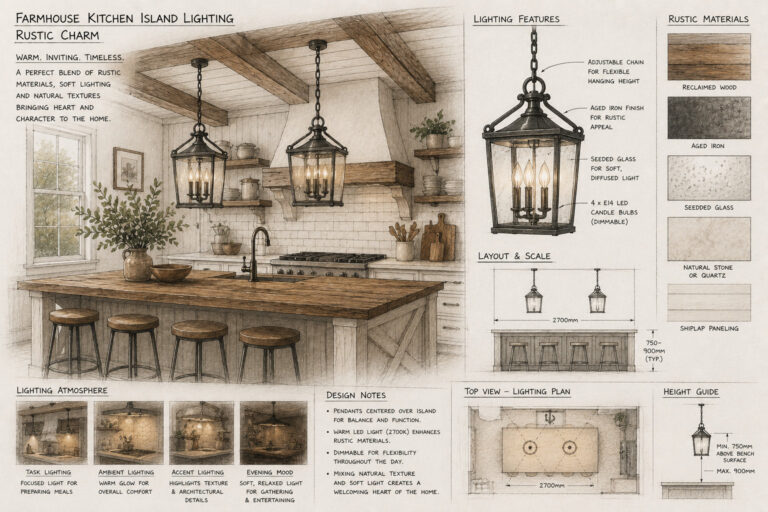
Pendants solve this problem by hanging 30 to 36 inches above the island surface, which is the sweet spot for most ceiling heights.
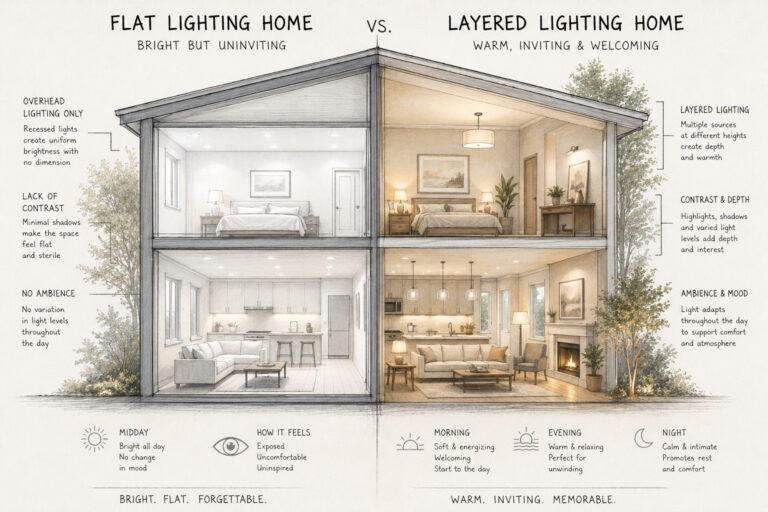
But here’s where it gets really interesting. Kitchen Island Lighting of Pendants also creates what designers call “visual interest” and “vertical layering” in your space. Basically, instead of having all your light sources at ceiling level, you’re drawing the eye down and creating depth. This makes your kitchen feel more dynamic and intentional rather than flat.
I remember this one project where the homeowner was adamant about keeping everything minimal. No pendants, just recessed lights everywhere. The kitchen looked sterile and kind of lifeless, honestly. We finally convinced them to add three simple glass pendants over the island, and the transformation was incredible. Suddenly the space had personality and warmth.
The other thing that gets overlooked is how Kitchen Island Lighting defines zones in an open-concept layout. If your kitchen flows into your dining or living area, those pendants act as a visual marker that says “this is the kitchen zone.” It’s a subtle way that helps organize the space without putting up walls.
The size and scale of your Kitchen Island Lighting matters more than most people realize too. I’ve seen gorgeous $400 pendants that looked like toys because they were too small for the island. A good rule of thumb is that your pendant diameter should be about one-third the width of your island, but honestly, going slightly bigger usually looks better than going too small.
Choosing the Right Pendant Lights for Your Kitchen Island Lighting
Okay, so this is where most people get completely overwhelmed, and I get it. There’s like a million options out there, and somehow you’re supposed to pick the perfect ones for your specific kitchen island lighting. I’ve been there, staring at websites for hours, bookmarking seventeen different styles, and still having no clue what’s actually going to work.
First thing you need to figure out is how many pendants you actually need. This isn’t just about aesthetics – it’s about getting enough light coverage across your island. For islands that are 4 to 5 feet long, two pendants usually does the trick. If you’ve got a bigger island, like 6 to 8 feet, you’re looking at three pendants. Anything longer than that, and you might want to consider four or even go with linear pendants instead.
The spacing matters too. I made this embarrassing mistake early on where I hung three pendants but spaced them way too close together in the center, leaving the ends of the island in darkness. You want to space them evenly, with about 24 to 30 inches between each fixture. And leave roughly 6 to 12 inches from the pendant to the edge of your island on each end.
Now let’s talk about style, because this is where people either nail it or end up with something that looks totally wrong for their space. Your pendant lights need to complement your kitchen’s overall design language, but they don’t have to match everything perfectly. Actually, a little contrast can be really good.
Here’s something nobody tells you: the shape of your pendant affects how the light disperses. Open-bottom shades for kitchen island lighting sends light straight down, which is great for task lighting but can create harsh shadows. Pendants with translucent shades or perforated designs spread light more evenly and feel softer. Neither is better – it depends on what you need.
Scale is probably the biggest mistake I see. People pick pendants that are too small because they’re worried about blocking the view or making the space feel crowded. But undersized pendants just look wimpy and don’t provide enough light.
The light bulb situation is worth thinking about too. You want warm white bulbs, somewhere in the 2700K to 3000K range, because cooler temperatures make food look unappetizing. And make sure whatever pendants you choose can accommodate dimmable LED bulbs if you’re planning to install a dimmer switch.
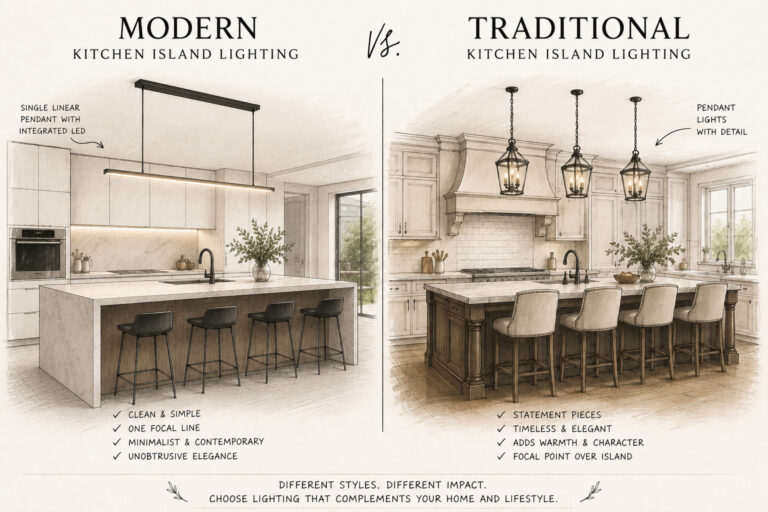
1. Modern Minimalism: Sleek Pendant Trios
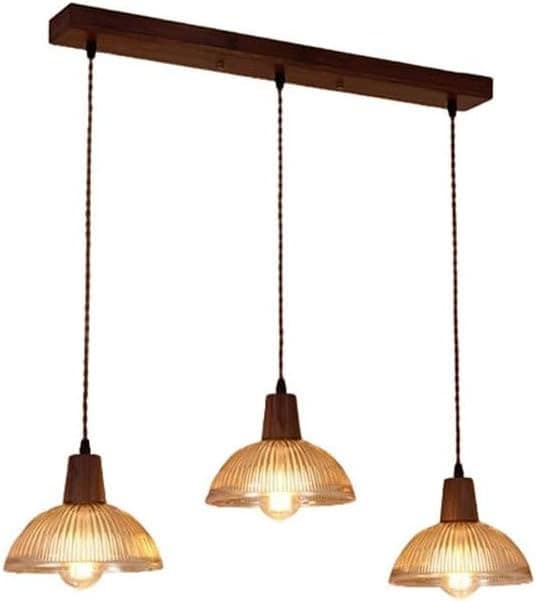
I’ll be real with you – there’s something almost magical about hanging three identical pendants in a row for kitchen island lighting. It creates this visual rhythm that just works, you know? The rule of three isn’t some made-up design thing either.
Our brains actually find odd numbers more interesting and balanced than even numbers. When you’ve got three sleek, minimalist pendants lined up over your island, it creates symmetry without feeling too formal or stuffy.
Right now, matte black finishes and brushed brass and Natural stones are absolutely dominating the pendant market, and I’m seeing a lot of geometric shapes like cylinders and cones making a comeback.
The key is keeping them simple – clean lines, minimal ornamentation, maybe some mixed materials like metal with frosted glass. For sizing, you want each pendant to be about 10 to 14 inches in diameter for a standard island, spaced 24 to 30 inches apart. I learned this the hard way after hanging them too close together once and the whole thing looked cramped.
To really nail the minimalist vibe, keep everything else on your island pretty clear. A sleek pendant trio works best when it’s the star of the show, not competing with a bunch of decorative clutter on the counter-top below.
2. Rustic Charm: Farmhouse-Inspired Chandeliers
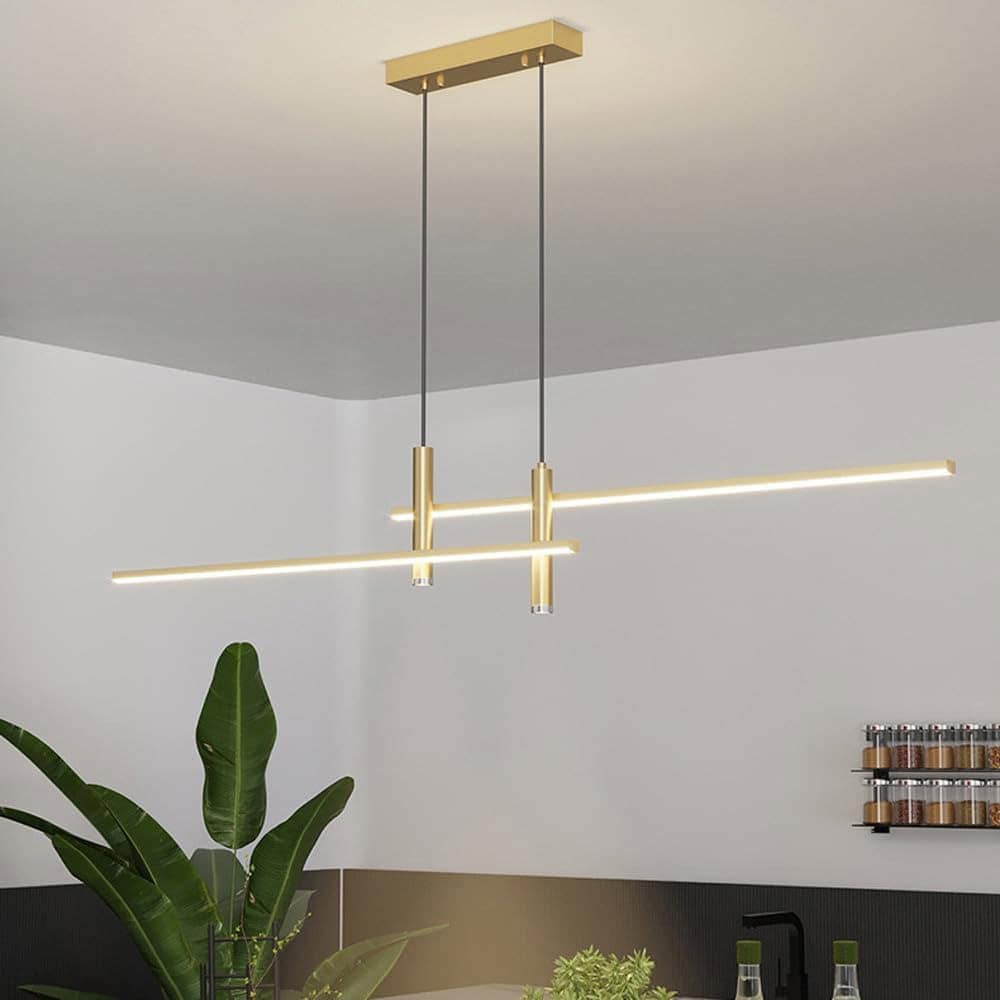
Here’s what I love about farmhouse chandeliers kitchen island lighting – they bring this instant warmth that you just can’t get with more contemporary fixtures. I’ve seen these work in the most unexpected places too, not just country-style homes.
The trick is balancing the rustic elements with cleaner, modern features so it doesn’t feel like you’re trying too hard. Think distressed wood beams paired with simple metal framework, or wrought iron with Edison bulbs that have that vintage charm.
Seeded glass shades are huge right now because they soften the light without looking too polished. For materials, you’re looking at reclaimed wood, oil-rubbed bronze, matte black metal, and those wavy glass enclosures that feel handmade.
To complete the look without going overboard on the farmhouse thing, I’d suggest keeping it to one or two other rustic touches. Maybe open shelving with some wooden cutting boards or a vintage-style faucet. You don’t need shiplap everywhere to make this work.
3. Industrial Chic: Edison Bulb Fixtures
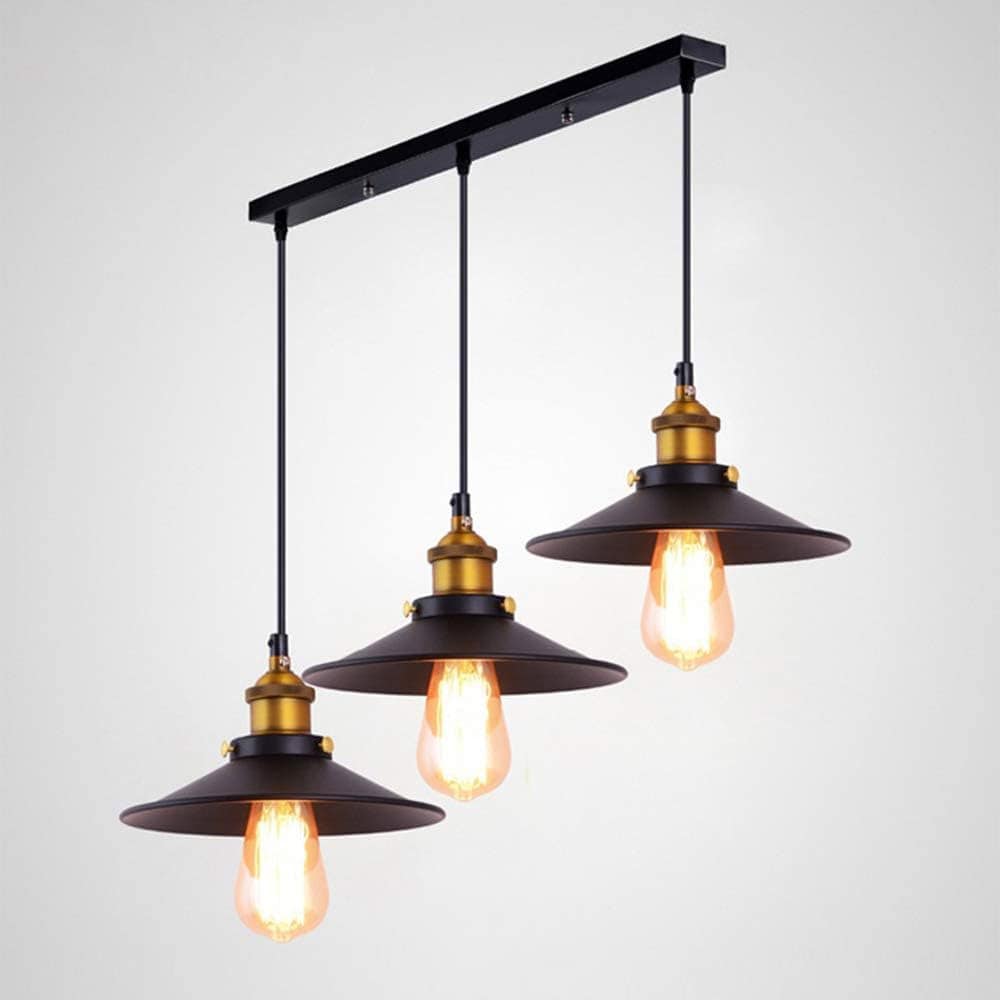
Okay, so Edison bulb fixtures have been popular for years now, and honestly, I thought the trend would die out by now. But they’re still going strong because there’s something about that exposed filament that just feels authentic and cool.
The thing is, you have to do it right or it looks like you’re stuck in 2015. I’m seeing more people mixing metals now – like a fixture with both matte black and antique brass accents and the inclusion of Gun Metal into tapware now also mixes it up which gives it a more collected, intentional vibe instead of that cookie-cutter industrial look.
The beauty of these fixtures for kitchen island lighting is how the bulb itself becomes part of the design, so you’re not hiding anything behind fancy shades. But here’s the catch: those vintage-style Edison bulbs can be pretty dim, usually around 400 to 600 lumens, so you might need more fixtures or strategically placed recessed lights to supplement. Installing a dimmer switch is basically non-negotiable with these because the warm glow is perfect for evenings but you’ll want it brighter for cooking.
One safety thing that gets overlooked – make sure your fixture is rated for the wattage you’re using, especially with those larger decorative bulbs.
4. Bohemian Rhapsody: Eclectic Mixed Pendants for Kitchen Island Lighting
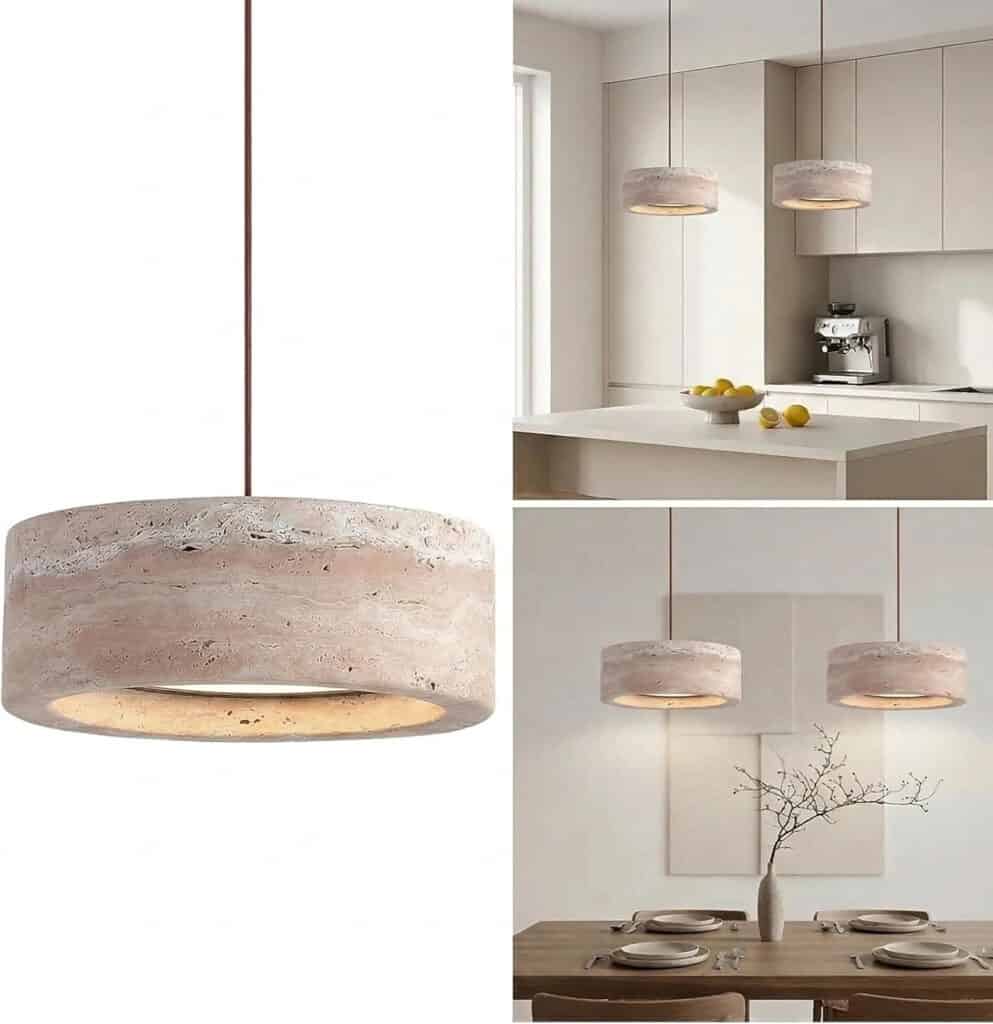
This is honestly one of my favourite looks. The whole idea with mixed pendants for kitchen island lighting is creating that collected-over-time vibe, like you’ve travelled the world and brought back treasures from different places.
But there’s has to be something tying them together or it just looks chaotic. Maybe it’s the finish – like all your pendants have brass accents even though the shapes are totally different. Or maybe you’re sticking to a colour story, like jewel tones or all neutrals with pops of texture.
I’ve seen people mix a Moroccan lantern with a woven rattan shade and a coloured glass pendant, and when done right, it’s stunning. The key is varying the heights slightly and making sure at least one element repeats across all three fixtures.
Right now I’m seeing lots of natural materials like jute, bamboo, and hammered metal. For sizing, you want some variation but not extreme – like a 12-inch, 14-inch, and 16-inch grouping works better than huge differences.
Global design elements like Turkish mosaic glass or Japanese paper lanterns add that worldly feel. Just don’t go overboard with patterns everywhere else or your kitchen will feel overwhelming instead of eclectic and interesting.
5. Luxury Redefined: Crystal and Glass Extravaganzas
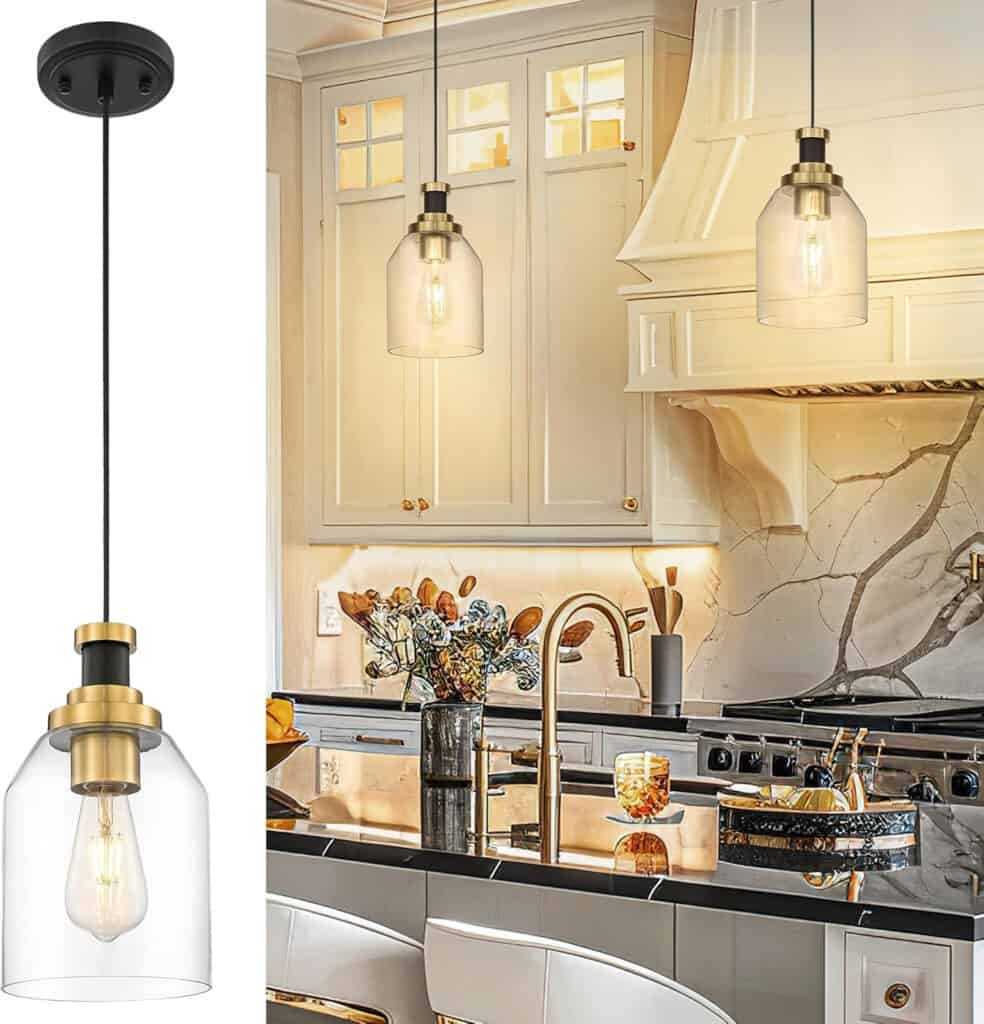
I used to think crystal kitchen island lighting was only for those over-the-top traditional homes, but the modern versions have completely changed my mind. We’re not talking about your grandmother’s dusty chandelier here – today’s crystal and glass pendants are sleek, sculptural, and surprisingly versatile.
I’ve seen geometric glass fixtures with brass frames that feel contemporary but still have that luxe sparkle, and bubble glass clusters that catch light in the most beautiful way.
The coloured glass trend is having a major moment too, especially smoky greys, amber tones, and even deep emerald greens that add personality without feeling too bold.
Here’s what nobody warns you about though – these fixtures show every single fingerprint and dust particle, so you’re signing up for regular maintenance. I clean mine every couple weeks with a microfiber cloth and a mixture of water and a tiny bit of dish soap.
For crystal specifically, you can use a vinegar solution but test it first because some finishes don’t react well.
When you’re planning your kitchen island lighting with glass or crystal elements, keep the rest of your space relatively simple. Pair them with clean white or light-coloured cabinets so the fixture becomes the focal point. Polished nickel or chrome hardware echoes that reflective quality nicely without competing for attention.
6. Nature-Inspired: Organic Forms and Materials
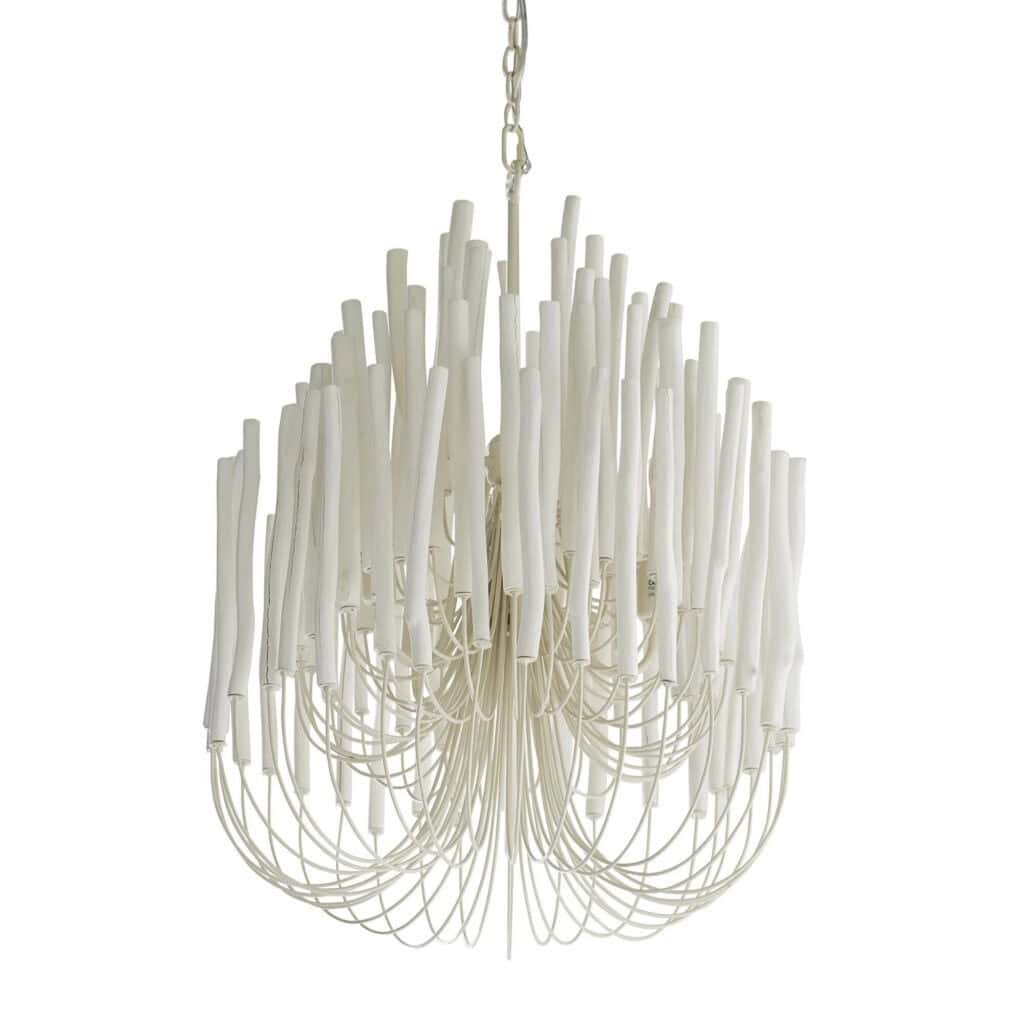
There’s something really grounding about bringing natural materials into your kitchen island lighting, and I think we all crave that connection to nature, especially in spaces where we spend so much time. I’ve been noticing more people gravitating toward pendants made from rattan, woven seagrass, bamboo, and even driftwood – materials that feel alive and textured rather than cold and manufactured.
The whole biophilic design movement is about reducing stress and creating calm through natural elements, and honestly, it works.
When I installed some woven pendant lights in my own space, the atmosphere just shifted to something more relaxed and inviting. Sustainability is a big driver here too, with companies using reclaimed wood, responsibly sourced materials, and even recycled glass shaped into organic blob-like forms.
These fixtures cast the most beautiful dappled light through their woven or perforated patterns, creating shadows that feel almost meditative. The tricky part is balancing these soft, organic shapes with the hard lines typically found in kitchens – all those straight cabinet edges and rectangular islands. My advice is to let the organic pendant be the soft element that contrasts intentionally.
Don’t try to make everything curvy or natural because then you lose that interesting tension. Keep your countertops clean-lined, your backsplash geometric, and let those nature-inspired pendants do their thing as the unexpected element that makes people stop and notice.
7. Tech-Forward: Smart Lighting Solutions
Look, I was sceptical about smart kitchen island lighting at first because it felt gimmicky, but once you experience the convenience, there’s no going back. Being able to tell Alexa or Google to dim the lights while your hands are covered in raw chicken is genuinely life-changing.
The technology has gotten so much better too – we’re not dealing with those clunky, ugly smart bulbs from five years ago anymore. Now you can get beautiful pendant fixtures with built-in smart capabilities or retrofit almost any fixture with smart bulbs that look identical to regular ones.
The colour-changing features are actually useful beyond the novelty factor. I use warm white for dinner prep, switch to a cooler daylight tone when I’m working on detailed tasks, and sometimes throw on a soft amber glow for evening entertaining.
It sounds extra, but it really does affect the mood. Energy efficiency is where smart lighting really shines though, and you can schedule them to turn off automatically so you’re not wasting electricity. Most systems integrate with Alexa, Google Home, or Apple Home Kit pretty seamlessly now.
I’d recommend starting with one ecosystem and sticking with it rather than mixing platforms because compatibility can get weird. The app control lets you create scenes and schedules too, which is perfect for that “lived-in” look when you’re on vacation.
8. Statement Pieces: Oversized Fixtures That Wow
Sometimes you just need to go big or go home, you know? I’ve seen so many kitchens where people played it safe with their kitchen island lighting, and while it’s fine, it’s just… forgettable.
An oversized statement pendant can completely transform your space and become that wow factor everyone talks about when they visit. The trick is knowing when it’s appropriate to go large. If you’ve got a spacious kitchen with high ceilings – we’re talking 9 feet or higher – and a big island that’s at least 6 feet long, that’s your green light.
In open-concept spaces, an oversized fixture actually helps define the kitchen zone without putting up walls, which is exactly what you want. For materials, you’re looking at things with visual weight and texture – think large woven rattan drums, substantial metal cages, or clustered glass globes that create mass through repetition.
Concrete and plaster fixtures are trending right now too because they make a bold architectural statement. Here’s the thing nobody mentions: these fixtures are heavy, sometimes 30 to 50 pounds or more. Your standard support isn’t gonna cut it. You need to be reinforced for the weight.
9. Minimalist Magic: Hidden and Recessed Lighting
Here’s where I’m gonna be a little contradictory – sometimes the best kitchen island lighting is the kind you barely notice. I know we’ve been talking about statement pendants and gorgeous fixtures, but the minimalist approach has its own appeal, especially if your kitchen already has a lot going on design-wise.
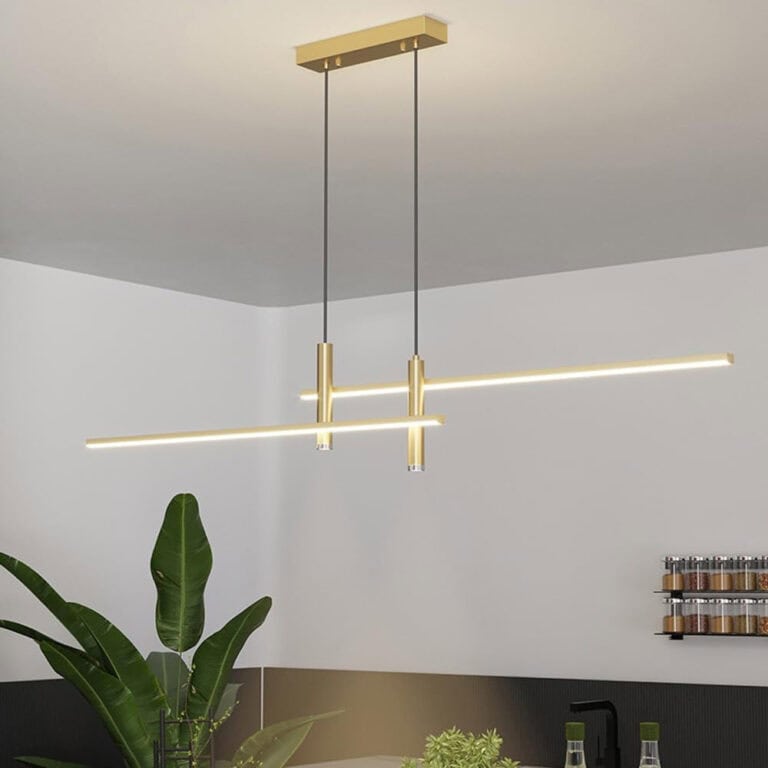
Recessed lighting and hidden LED strips create this clean, uninterrupted look that feels modern and sophisticated without any visual clutter. The challenge is making sure you’re getting enough light where you actually need it.
I’ve walked into kitchens with recessed lights that were spaced too far apart, leaving dark spots right where people were trying to prep food. For kitchen island lighting specifically, you want recessed fixtures positioned about 24 to 30 inches apart, running parallel to the length of your island.
Combining recessed task lighting directly over the work surface with ambient perimeter lighting or under-cabinet LEDs gives you layers without adding fixtures that hang down. This works really well in kitchens with lower ceilings where pendants might feel overwhelming or create head-bumping situations. Energy efficiency is a huge win here because LED recessed lights use minimal electricity and last forever – we’re talking 25,000 to 50,000 hours compared to maybe 1,000 for incandescent bulbs. Look for fixtures with high CRI ratings, ideally 90 or above, so your food and finishes look natural and accurate. The sleek look comes at a cost though – installation usually requires cutting into your ceiling, so it’s not exactly a weekend DIY project for most people.
10. Art Deco Revival: Geometric Shapes and Bold Lines
I’m absolutely obsessed with the Art Deco comeback happening right now in kitchen island lighting, and it’s about time honestly.
There’s something so glamorous and confident about those sharp geometric shapes, layered forms, and luxe metallic finishes that just elevates a kitchen instantly. We’re talking fixtures with stepped designs, sunburst patterns, chevron details, and those angular lines that feel both vintage and totally modern at the same time.
The beauty of Art Deco is that it was always about making everyday objects into art pieces, so your lighting literally becomes functional sculpture hanging over your island. Metallic finishes are crucial here – brushed brass, polished chrome, aged bronze, and even mixed metals like black with gold accents capture that 1920s glamour without feeling costumey.
I’ve seen people pair an Art Deco pendant with subway tile and Shaker cabinets, and it works because that one bold element adds personality to an otherwise simple space. The key is not going overboard with patterns everywhere else or your kitchen starts feeling busy and chaotic.
Maybe you’ve got a geometric backsplash or patterned floor tile, but pick one area for pattern and let the lighting be your statement piece. Frosted or smoked glass paired with metal framework is very on-trend right now and softens the hard edges just enough. These fixtures tend to have more visual weight than minimalist styles, so make sure your island is substantial enough to balance it out proportionally.
11. Coastal Cool: Beach-Inspired Lighting Ideas
There’s this relaxed, vacation-mode feeling that coastal kitchen island lighting brings, and it doesn’t matter if you live nowhere near an ocean – it just works.
I think people are drawn to it because it feels effortless and casual without being sloppy or too themed. The best coastal-inspired fixtures use natural materials like rope, weathered wood, seagrass, and clear or seeded glass that mimics sea glass or water droplets.
I’ve seen some beautiful pendants wrapped in thick nautical rope with Edison bulbs inside that give off this warm, inviting glow perfect for gatherings. Woven lantern styles in whitewashed or driftwood finishes are huge right now too. The color palette is where you can really nail the beachy vibe without hitting people over the head with it – think soft whites, sandy beiges, watery blues, and seafoam greens rather than bright primary colors with anchors everywhere.
That’s the difference between coastal and nautical theme, and trust me, you want coastal. The tricky balance is keeping things elegant enough that your kitchen doesn’t feel like a beach shack. I’d pair casual pendant materials with more polished elements like marble countertops or sleek cabinet hardware in brushed nickel. Maybe add some natural texture through bar stools or a jute rug, but keep the overall lines clean and simple.
The lighting should whisper “beach house” not scream it, you know what I mean?
12. Mid-Century Modern Mastery: Retro-Inspired Fixtures
Mid-century modern kitchen island lighting has this timeless quality that I think comes from the fact that it was designed so thoughtfully in the first place. Those designers from the ’50s and ’60s weren’t messing around – every line had purpose, every material was intentional.
What I love is that these fixtures still feel fresh and relevant today, which is pretty rare for design trends. You’re looking for iconic shapes like cone pendants, sputnik-style fixtures, globe lights, and those teardrop forms that taper elegantly. The Scandinavian influence shows up a lot too with clean lines and organic curves that feel approachable rather than stuffy.
Materials are key here – you want warm wood tones like walnut or teak paired with brass, copper, or matte black metal accents. I made the mistake early on of thinking any old ’60s-looking thing counted as mid-century, but there’s a difference between authentic design and cheap knockoffs that just look dated.
Quality matters with this style because the simplicity means every detail is visible and there’s nowhere to hide poor craftsmanship. The cool thing about mid-century fixtures is how well they play with contemporary kitchens.
You can have modern flat-panel cabinets, quartz countertops, and stainless appliances, then drop in some walnut and brass pendants that bridge the vintage-modern gap perfectly. It creates visual interest through contrast without feeling disjointed or like you couldn’t commit to one style.
13. Scandinavian Simplicity: Clean Lines and Warm Woods
The whole Scandinavian approach to kitchen island lighting is about creating that cozy, welcoming feeling – what the Danes call hygge – while keeping everything functional and uncluttered.
I think this resonates with so many people because it’s the opposite of fussy or complicated, but it still feels warm and intentional. Scandinavian fixtures typically feature light woods like birch, ash, or pine combined with simple metal frames in white, black, or natural brass finishes.
The shapes are geometric but soft, nothing too angular or aggressive. I’ve installed these dome-shaped pendants with wood tops and white metal shades that just nail that Nordic vibe – minimal but not cold, functional but still beautiful. What makes Scandinavian design work so well is that balance between form and function.
Every element serves a purpose, so you’re not adding decoration for decoration’s sake. The lighting needs to be practical first, especially during those long dark winters up north, which means these fixtures cast good, usable light while looking effortlessly stylish. Neutral color palettes dominate here – lots of whites, soft grays, and natural wood tones that create a calm, serene backdrop.
But here’s where it gets interesting: black accents are everywhere in modern Scandinavian design. Matte black pendant cords, black metal frames, or black hardware create this striking contrast against all that lightness without feeling harsh. It grounds the space and adds definition that keeps things from looking washed out or boring.
14. Global Fusion: Worldly Lighting Designs
This style is for people who want their kitchen island lighting to have some soul and backstory, you know? I’ve always been drawn to fixtures that feel like they came from somewhere specific – Moroccan pierced metal lanterns, Japanese paper shades, Indian brass pendants, or those gorgeous Turkish mosaic glass lamps.
The thing is, you can’t just throw random stuff from different continents together and expect it to work. There needs to be a connecting thread, whether that’s color, material, finish, or even the level of craftsmanship.
Handcrafted fixtures are having a huge moment because people are tired of mass-produced lighting that everyone else has too. When you hang something that was actually made by artisans using traditional techniques, it brings this authenticity and character that you just can’t fake.
I’ve seen blown glass pendants from Mexico paired with hammered copper from the Middle East and woven palm leaf shades from Southeast Asia, and when the color story is cohesive, it looks collected and intentional rather than chaotic. The patterns and textures are what make global fusion interesting – maybe you’ve got intricate cutout designs casting patterned shadows, or rough-hewn wood with visible tool marks, or hand-painted ceramics with imperfect glazing.
These “flaws” are actually what make them special and worth the investment. To pull off that well-traveled look without your kitchen feeling like a bazaar, keep your base elements neutral and let the lighting be where the personality lives. Simple cabinets, clean countertops, maybe one textile or art piece that echoes the global theme.
15. Futuristic Flair: Avant-Garde Lighting Concepts
Okay, this is where kitchen island lighting gets really fun and a little risky, but when it works, it’s absolutely jaw-dropping. Avant-garde fixtures are for people who aren’t afraid to make a statement and push boundaries with unconventional shapes, materials, and concepts that feel like they’re from another decade or planet.
I’m talking about sculptural pieces with asymmetrical forms, fixtures that look like they’re defying gravity, or lighting that incorporates unexpected materials like acrylic, resin, or even 3D-printed components.
The LED innovations happening right now are wild – we’ve got flexible LED strips that can bend into organic shapes, color-tuning technology that adjusts throughout the day, and fixtures where the light source is completely integrated and invisible.
I saw this one pendant that was basically a floating ring of light with no visible bulbs or wiring, and it completely messed with my head in the best way. These conversation-piece fixtures become the focal point of your entire kitchen, so you’re committing to them being front and center.
The challenge is balancing that bold artistic vision with actual functionality because at the end of the day, you still need to see what you’re chopping. I’ve seen futuristic fixtures that looked incredible but cast weird shadows or didn’t provide enough lumens for actual cooking tasks.
Make sure you’re checking the light output and beam angles, not just falling in love with the design. To make avant-garde lighting work, keep everything else in your kitchen pretty minimal and modern – clean lines, handleless cabinets, solid surface countertops. Let the fixture be the art and don’t compete with it.
Conclusion:
Phew! What a journey through the dazzling world of kitchen island lighting! From the sleek and modern to the rustic and charming, we’ve explored a galaxy of options to suit every taste and kitchen style. Remember, the right lighting doesn’t just illuminate your space – it sets the mood, enhances your decor, and can even make your avocado toast look more Instagrammable (if that’s even possible)!
As we’ve seen, 2025 is all about personalization, sustainability, and that perfect blend of form and function. Whether you’re team pendant, proud chandelier enthusiast, or a smart lighting convert, there’s a stunning option out there waiting to transform your kitchen island into the showstopper it deserves to be.
So, what’s it going to be? Are you ready to swap out that dated fixture for a piece that’ll make your guests’ jaws drop faster than a soufflé in a slammed oven? Remember, good lighting is like the perfect seasoning – it enhances everything around it without overpowering.