How to Use Accent Lighting for Artwork and Décor Made Easy in 2024

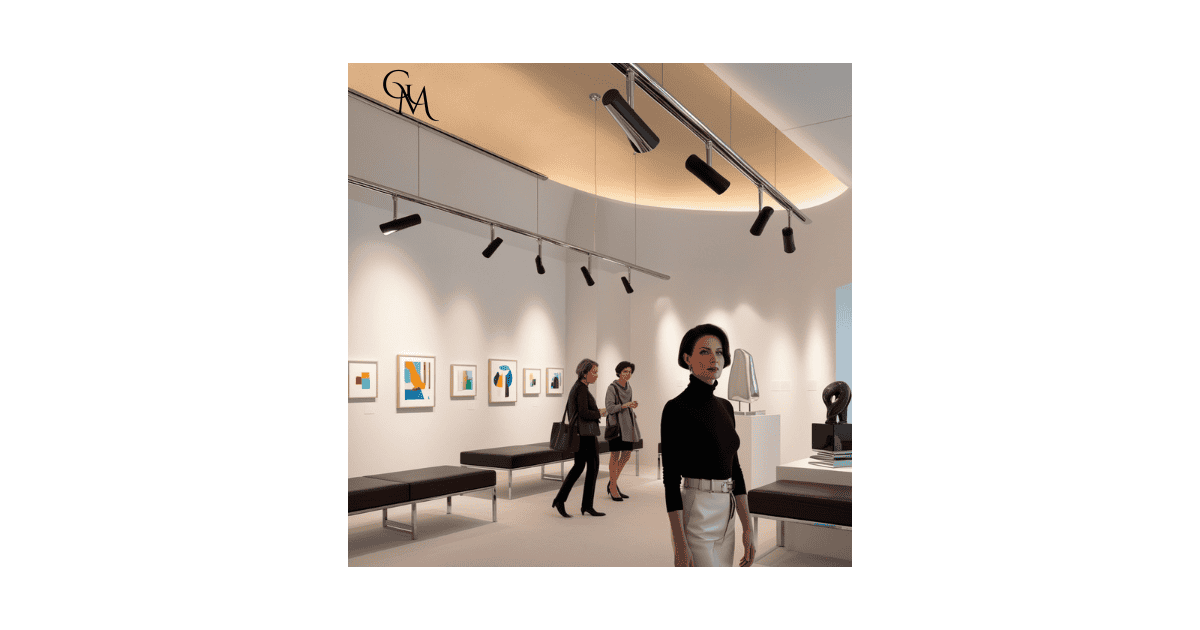
Did you know that proper accent lighting for artwork can increase the perceived value of artwork by up to 50%? Welcome to the world of accent lighting for art – where illumination meets creativity!
In this guide, we’ll explore how the right lighting can transform your space and make your art collection truly shine.
From subtle spotlights to dramatic washes, get ready to see your favourite pieces in a whole new light!
Definition of accent lighting and its importance in artwork displays
Accent lighting for artwork is the illumination of a specific point of interest in your home, office or even a public space.
Let me help you to make the task of accent lighting for Artwork or Décor easier and help you choose the right lighting for your desired effect.
It is important to determine 1. your type of art. 2. placement in relation to light source. and 3. what type of lighting you will need.
The interplay between light, shadow, and artwork Light and shadow can vary depending on what type of frame your artwork has as a deep frame can cause shadows if your light source is not place in the right place.
Key factors to consider when using accent lighting for artwork is colour temperature, intensity, and beam angle. All of these need work together to optimise your lighting and highlight your special pieces favourably.
Types of Accent Lighting Fixtures for Artwork
Track lighting systems have the benefit of versatility and adjustability and are used exclusively in Gallery lighting techniques and Museum-style illumination because items and light source can be moved seamlessly.
Recessed lights are sleek and unobtrusive as an option, and if you use the gimbled versions you can move the light to where you need it. Minimalist art lighting can still give some versatility and often enough for the home as your wall space is not usually as large as a gallery.
Picture light fixtures are the classic and targeted illumination especially for the home as they can add a decorative touch but also be very direct in how much light to get on your piece.
LED strips can be used for creating a modern, ambient glow, which can give a space that ambience but will not usually provide direct light on an artwork.
Techniques for Highlighting Different Art Mediums
Paintings and bringing out colours and textures is the sole aim of the accent lighting for artwork. I always recommend and it is advised by the experts to use only warm white 3000k.
If you use cool white 4000k or 5000k this colour temperature washes out the colour and will make your artwork look very flat. it pays to use the Colour rendering index for art. So if you have paid a lot of money for a piece of art you want it to look its best.
Sculpture lighting design needs depth and dimension to best illuminate them. The best way I have seen this done is using strip lighting, if it is in a cabinet. Placing it above and to the front of the object then at the bottom and at the back.
The different placement of light will create an illusion of depth and dimension and accentuate the piece beautifully.
Photography is all about enhancing contrast and details with how much light you direct to the piece. Too much light can just cause reflection of the picture especially if it is in glass.
The trick is to use lighting that you can control the brightness of as the ambient light around will change night to day and the amount of light you will need may need to be adjusted.
This is a reason that in the best galleries there is no windows where they display the artwork.
Mixed media again balancing lighting for diverse materials is about controlling the brightness. Dimmers come into their own is this instance.
DIY Accent Lighting Projects for Art Enthusiasts
Creating custom picture frame lights is not something I have seen done. All my customers want something professional to complement their artwork.
Installing wireless, battery-powered accent lights in todays market can be a very easy fix when wiring in a light fixture is not an option.
Amazon and others have a number of battery operated lights that can either stick on or screw on and bulbs that can be operated with a remote or phone. Making accent lighting for artwork possible for even renters.
Smart Lighting Solutions for Art Collections
Voice-controlled accent lighting for artwork systems will mean integrating your accent lighting for artwork as part of your smart lighting system. Very doable.
Colour-changing LED options for dynamic displays can be used in many ways. the most innovative I have seen is a customer used an abstract light fitting and fixed it to the wall not the ceiling.
He then used smart globes in the fitting and set them up to change colour to music. viola! an art installation.
Smart lighting means you can have programmable lighting scenes for different moods and events whether it is in your light fittings or bulbs in fittings.
Common Mistakes to Avoid in Accent Lighting for Artwork
Over illumination can have a negative effect on your artwork and décor. It can cause glare and reflections on any surface that is gloss.
There is an optimal distance and angle recommended for accent lighting for artwork. The light beam needs to hit the artwork at a 30deg angle for there to be no glare from the light fixture of the artwork.
This can be overcome by either seeking professional advice when purchasing your fixtures, or using dimmers or smart controls to adjust your lighting to best illuminate your artwork.
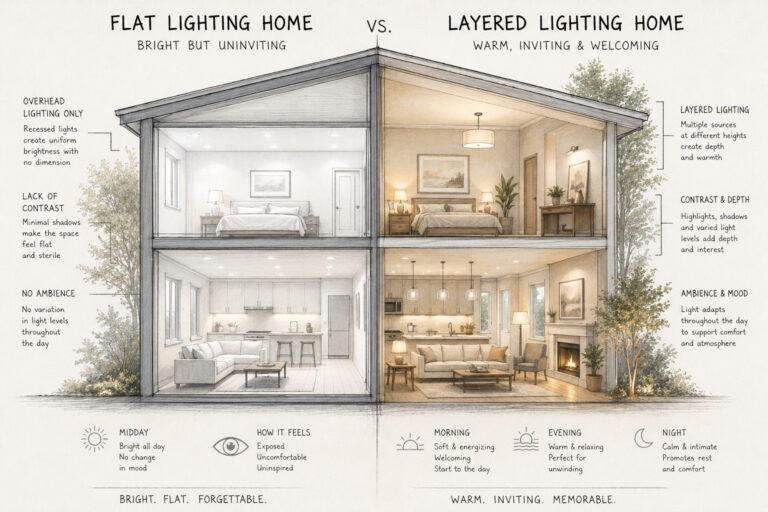
One of the things that often happens is neglecting the importance of ambient lighting balance. Being aware of and the effect of your ambient lighting and how it can contribute to the accent lighting is a essential way of utilising layered lighting to balance your accent lighting for artwork
Expert Tips for Professional-Looking Art Displays
Layering different light sources for depth is using layered lighting techniques to your advantage. Employing ambient and accent at different levels of brightness can make your artwork pop!
Using dimmers for flexibility and mood setting as I have mentioned above can be a game changer most often used with your ambient lighting that will set the mood.
Considering natural light interactions in your space, one of the biggest and most important aspects of natural lighting and artwork is the you make sure that there is no direct sunlight on your artwork.
Which ever type of art it is Direct sunlight will fade it. Making sure your placement of the art does not get any direct sunlight will be the first consideration when working out where to put in.
Eco-Friendly Accent Lighting Options for Art
Energy-efficient LED solutions are the optimum for your accent lighting without a doubt.
Solar-powered accent lights for outdoor art can be difficult as you don’t want direct sunlight on your artwork but need direct sunlight on the solar cells will need enough wiring to go from the cell to the light.
Budget-Friendly Accent Lighting Ideas for Art Lovers
Affordable alternatives to high-end lighting systems can be wireless and battery operated of which there are some really good options online.
Maximizing impact with minimal fixtures is where recessed lighting comes into its own as it becomes invisible.
Thrift store finds and upcycling for unique lighting solutions if you want to go down this line for an eclectic look. I highly recommend that you get an electrician to test and if needed replace any wiring that a thrift object may need.
Illuminating your art collection is an art form in itself! By mastering the techniques of accent lighting, you can create a gallery-worthy display right in your own home.
Remember, the right lighting doesn’t just showcase your art – it brings it to life, telling its story in a whole new way.
So go ahead, play with light, and watch your favourite pieces transform before your eyes. Ready to light up your world? Your masterpieces are waiting to shine!