7 Game-Changing Interior Lighting Techniques to Transform Your Home in 2024


Did you know that the right lighting can increase your home’s value by up to 20%? Welcome to the illuminating world of interior lighting techniques! In this guide, we’ll shed light on the latest trends and timeless strategies to brighten up your living spaces. Whether you’re a DIY enthusiast or a design newbie, get ready to flip the switch on your home’s atmosphere. Let’s dive in and explore how you can use light to create magic in every room!
1. The Fundamentals of Layered Interior Lighting Techniques
• Understanding the three main types of Interior lighting Techniques: Ambient, Task, and Accent
First up, you’ve got your ambient lighting. This is your base layer, like the main character in a movie. For me, it was swapping out that sad ceiling light for a nice, diffused pendant. It spread light evenly across the room without creating harsh shadows. This can also be recessed downlights.
Basically, Ambient lighting is your overall room light source.
Next comes Task Lighting or Work Lighting. This is where things get practical. I added a sleek desk lamp for when I’m working late (which, let’s be honest, is more often than I’d like to admit). And a reading lamp by my favourite armchair for those cosy book nights. Trust me, your eyes will thank you for this one.
Task Lighting is the lighting you need in an area for any tasks you wish to perform.
But the real fun starts with accent lighting. This is where you can get creative and add some pizzazz to your space. I went a bit overboard at first, not gonna lie. My living room looked like a disco for a hot minute. But after some trial and error, I found the sweet spot.
Accent Lighting is the lighting you use to Highlight areas or artwork or décor that you want focus on.
• How to balance different light sources for optimal effect
Balance is where most people struggle. There is a formula you can base your Lighting Design on that should eliminate most of the confusion.
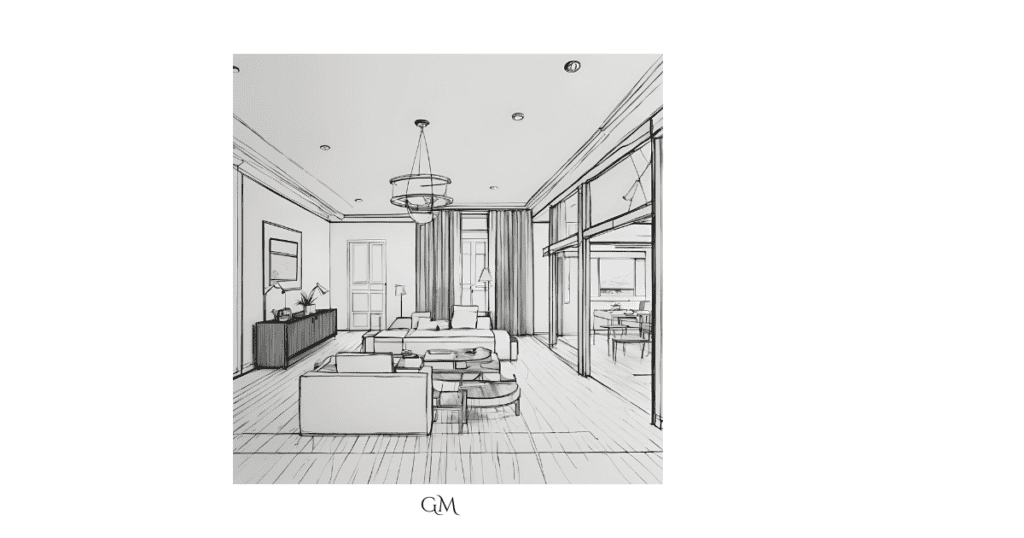
Think of your Light sources: Ambient: Ceiling Artificial Light, Windows Natural Light. Task: focused Artificial light, and Accent is usually Artificial light to create a mood or feel for the space.
To Balance your Lighting using Interior Lighting Techniques think of your space like a painting, the Ambient Lighting is the background lighting to create overall space lighting. Task Lighting is the structures in your painting that essentially don’t move and are fixed to illuminate when needed, the right amount of light for specific tasks. Accent Lighting is the pops of colour in your painting to illuminate items or spaces you want to stand out in your space.
I hope that helps you understand the way to balance your lighting in your space.
•The importance of flexibility in your lighting design
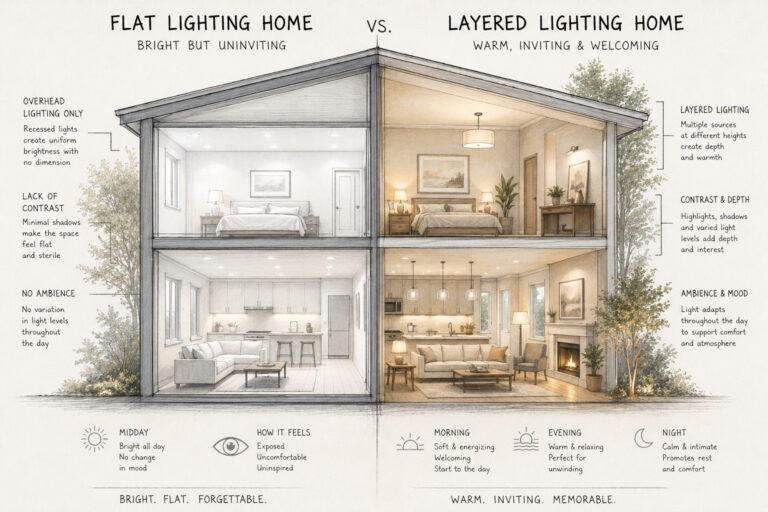
At the end of the day, layered lighting is all about creating a space that’s both functional and beautiful. And using different forms of lighting to create a great lighting design means being flexible in what products and sources you use for your lighting design. For example You can have Recessed Downlights, A Pendant, Wall Lights and Lamps all in one room. Sounds a lot and it would be if it was all turned on at the same time. But you wouldn’t have them all turned on at once.
You would have a switch for the Downlights, a switch for the pendant, a switch for the wall lights and you may have them on a dimmer switch, and then the lamps turn on individually. that gives you control over the level of lighting that is available for you to use depending on what you are using the room for.
Flexibility and control is a part of Interior Lighting Techniques in action.
2. Mastering the Art of Ambient Lighting
Mastering ambient lighting is all about creating a comfortable, inviting atmosphere in your home.
•Techniques for creating a warm and inviting atmosphere
Oh boy, ambient lighting. Where do I even start? This little nugget of interior design wisdom completely changed the game for me.
First things first, what the heck is ambient lighting anyway? It’s basically the general illumination of a room – the foundation of your lighting scheme. It’s like the bass line in a song; you might not always notice it, but boy oh boy, you’d sure miss it if it wasn’t there
One thing that really upped my ambient lighting game was learning about colour temperature. I used to think a light was a light, but oh how wrong I was. Warm lights (around 2700K) can make a space feel cosy and inviting, while cooler lights (4000K and up) are great for task-oriented spaces. I now use warm lights in my living room and bedroom, and slightly cooler ones in my home office. And let’s not forget about dimmers! These little beauties let you adjust the intensity of your ambient lighting to suit your mood or the time of day
One mistake I see a lot of folks make is relying solely on recessed lighting for ambient illumination. Don’t get me wrong, recessed lights are great, but they can create harsh shadows if they’re your only light source. I like to mix it up with a combination of recessed lights, pendants, and wall fixtures.
The Techniques for the best Interior Lighting is to use colour temperature that suits your space and décor to create the feel and or mood of your space/home.
• Best practices for using ceiling lights and recessed lighting
The challenge with ceiling lights and recessed lighting is to create all over controlled lighting that serves the function of the room/space at all times.
Here’s a pro tip I wish I’d known earlier: don’t neglect your corners! Dark corners can make a room feel smaller and less inviting. I solved this by adding some up lights in the corners of my living room. It really opens up the space and creates a nice, even glow.
Take into consideration any Pendant fittings or Fans that may be in the ceiling also. You need to make sure there is clearance so you have no strobing from fan over lights.
• How to incorporate natural light into your overall lighting scheme
Nowadays the use of skylights has risen as a real way to incorporate natural light into your lighting design. The quality and serviceability of Skylights today has come a long way from the Sky tube. but even the Sky tube has changed and is a much better product than it was.
Don’t forget your windows and where the sun will come in which changes from summer to winter. I love sheers as they let the light in but still afford privacy during the day. at night blinds or curtains will frame or cover your windows as needed.
Interior Lighting Techniques can incorporate both the Natural and Artificial sources of your lighting.
3. Task Lighting: Functionality Meets Style
• Essential task lighting for kitchens, home offices, and reading nooks
In this post I am focusing on Interior Lighting Techniques I have other posts that focus on how to chose your Pendant Lighting for Kitchens. But in short this is the area where brightness (Lumens) matters most.
Traditionally Electricians measure light out-put by the wattage, but as technology in LED lighting has improved you get a lot more lumens from less wattage. And then it is about placement. Is it over your work area? does it need to be closer/lower? All these factors will determine the actual light fitting you use and where.
• Innovative under-cabinet lighting solutions for 2024
Undercabinet lighting has come a long way in the last ten years. From clunky stick-on lights with exposed wires to slimline stick-on rechargeable LED strips in different lengths to actual stick-on LED strips and smart strip RGB lighting too.
The choice is there, it is just about how finished you want your space to look. When incorporating interior lighting techniques the flexibility of the various strip lighting available both wired in and DIY is only limited by your budget.
• Combining task lighting with decorative elements
Let me tell you, figuring out how to blend task lighting with decorative elements in my home was a real journey. I didn’t want to sacrifice style for function. No sir, I wanted both!
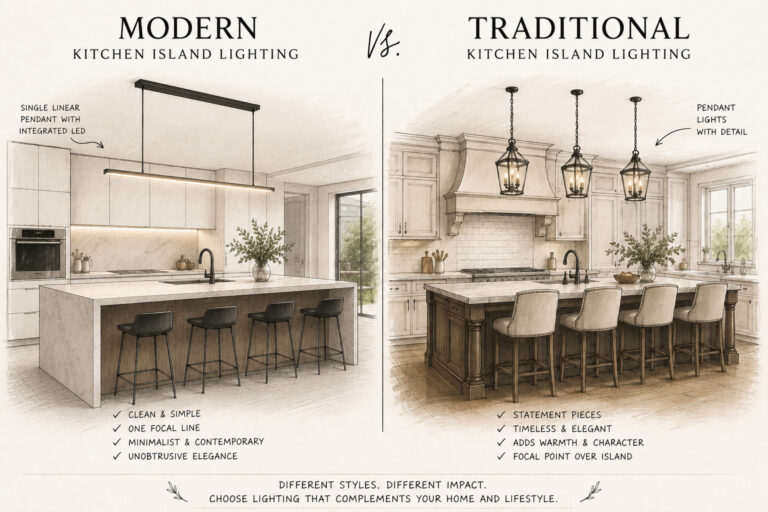
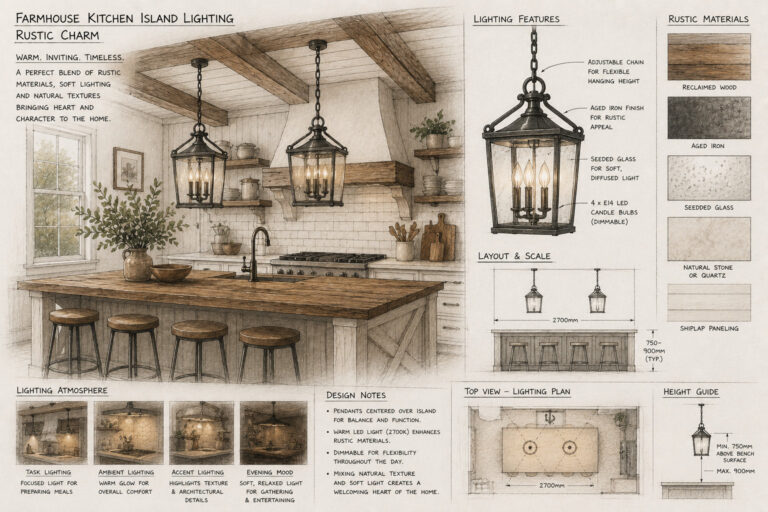
The main place this is an issue is over your kitchen bench. Do you sacrifice light for looks. There is a way around the issue if you layer your lighting. For example; you want really decorative pendants, you can space them so that you can still put downlights between.
Just one of the interior lighting techniques you can use in your space.
4. Accent Lighting: Highlighting Your Home’s Best Features
•Using spotlights and track lighting to showcase art and architecture
Track lighting is by far the most flexible form of accent lighting. You can move the spots along the track to position them where you want to highlight.
You can also use fixed spots either mounted on the walls or on the ceiling.
I am partial to using Wall Washer downlights when installed in your ceiling disappear but when on create a soft wash of light on a wall, very effective when highlighting not just artwork but feature walls.
• Creative ways to incorporate LED strips for subtle accents
Your imagination is really your only barrier to where to use LED strip lighting.
On stair treads, hand rails, shelving, under cabinets, around ceilings in coving, I have also seen it used very effectively behind a couch in a media room looked great.
• The power of dimmers in creating the perfect ambiance
Dimmers give you control over your light output which in turn can make an atmosphere shine.
5. Colour Temperature: Setting the Right Mood
• Understanding the Kelvin scale and its impact on atmosphere
It can be Confusing, the different technical terms when it comes to lighting.
Kelvin is the colour temperature, Lumens is the light strength, and Watts is the amount of power used.
Choosing the right colour temperature for your project can make a big difference in the final feel of your space,
There are recommendations as to what temperature to use in which room but you also need to consider your colour pallet and the effect the colour temperature has on it.
Warm White which has a Kelvin range of 2700k-3000k then Cool White 4000k – 5000k and then Daylight which goes up to 6500k.
• Choosing the right bulb colours for different rooms and activities
And as the names suggest that is the feel that they create. So it is recommended use warm white in your relaxation areas, and cool white for your task areas, you would use daylight in a high density space/work area.
As always though personal preference can override any recommendations.
6. Lighting Techniques for Small Spaces
• Tricks to make rooms appear larger with strategic lighting
Lighting creates the illusion of space that’s the reason that we paint just about all ceilings in white, so that if you have a lower ceiling it can make it feel higher.
We use light in the same way a room always feels bigger when we have lots of windows and lots of natural light.
We can create the illusion with strategically placed lighting. As space is an issue in small spaces wall up lighters come into their own in this application.
You can also play with lamps both standing lamps and table lamps. Move them around a room to see the different effects they have on your space.
• Multi-functional lighting solutions for compact living areas
Interior lighting techniques use different products and controls to create a multifunctional lighting plan.
Dimmers, Timers, app operated bulbs and switches can all create multifunctional solutions for your space.
• How to avoid common lighting mistakes in small spaces
The biggest mistake is to not have enough ambient light. Sometimes the best solution is to have strategically placed standing lamps but with really bright bulbs in them.
This creates a throw of light that can reach the whole room without being blinding.
But try not to put lighting in every corner as that can be an overkill.
7. Outdoor Lighting: Extending Your Living Space
• Techniques for creating a cosy outdoor ambiance
The most effective interior lighting techniques applied to an outdoor area, is to create rooms or areas with different focus points.
For example you might have a sitting area and an eating area. You would light them differently.
The biggest mistake I have seen is that the areas have been treated as an indoor room. You don’t need anywhere as much light in the outdoor space as you are not going to be working at your bookwork while out there.
You want just enough light to create the atmosphere and to be able to see without being blinded.
• Security considerations in landscape lighting design
Sensors will provide the best and cheapest security in your landscape lighting. You could also use timers too.
They can be placed separate to the fitting or be part of the fitting.
• Energy-efficient options for exterior illumination
You can’t go past solar lights for the most energy efficient options for exterior lighting. Especially for pathways and perimeter lighting.
LED is also an energy efficient option but you have to be careful what colour kelvin you use where. As cool white and daylight can make plants look plastic, not a good look for the front garden after nurturing your landscape.
In Conclusion:
Illuminating your home is an art form that combines creativity, functionality, and personal style. By applying these interior lighting techniques, you’re well on your way to creating a space that’s not only visually stunning but also perfectly suited to your lifestyle. Remember, good lighting is invisible, but its effects are unmistakable. So go ahead, play with light, experiment with different techniques, and watch as your home transforms before your eyes. The power to create your perfect ambiance is literally at your fingertips – now that’s a bright idea!