Create the Perfect Home Lighting Plan: Illuminate Your Space in 2024

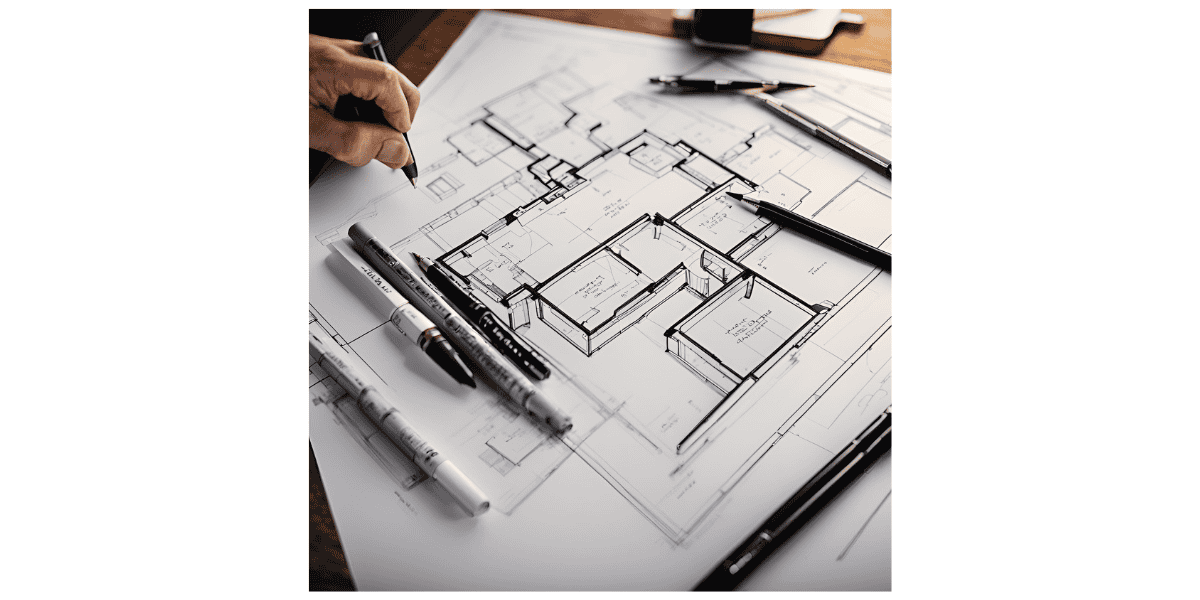
Lighting can make or break a home’s ambiance. Did you know that proper lighting can increase your home’s value by up to 20%? That’s right! A well-executed home lighting plan isn’t just about brightness – it’s about creating atmosphere, improving functionality, and even boosting your mood. In this guide, we’ll shed light on the art of crafting the perfect home lighting plan for 2024.
Get ready to transform your space from drab to fab with our illuminating tips and tricks!
Understanding the Basics of a Home Lighting Plan
A lot of people leave lighting till last. Not advised! A home Lighting plan is essential for:
1. The electrician to know where to put your wiring for the fittings and switching.
2. So that you can make sure that you have lights exactly where you need/want them.
The basics are spending some time thinking about what type of lighting you want and where you wish to place it..
Assessing Your Home’s Lighting Needs
Assessing your Lighting needs requires spending some time over your floor plan or walking around your space and thinking about how much light you want in each area.
The next is thinking about what type of fitting will give you the light you desire. What style do you want is there a colour or finish i.e. Glass or Black, that you want in your space.
There is always the consideration if you are off-grid or on-grid and any limitations that you may have concerning power availability that can impact what is available to choose and will it be what you want.
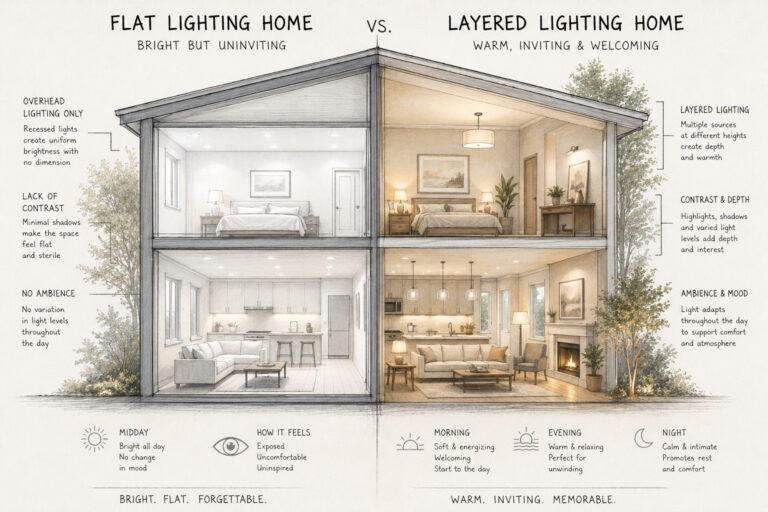
Layering Your Lighting for Maximum Impact
At the point of doing your Home Lighting Plan is the best time to to decide if you want wall lights. Wall lights are integral to layering, as they place the light in a different level to the ceiling. And this is the time to make sure you have wiring in the wall.
With any project, planning out what you want to achieve will make implementation so much easier to create the right mood and feel of your space.
Floor lamps and lamps can be a part of your layering and where they fit into the home lighting plan is to mark where you will need access to power. You will also mark out where you will want your power points and any other cabling you may need.
Choosing the Right Light Fixtures for Each Room
This can be tough. The trick is to know what a fitting will do in the terms of decorative and/or practical. And what are trying to achieve in the space.
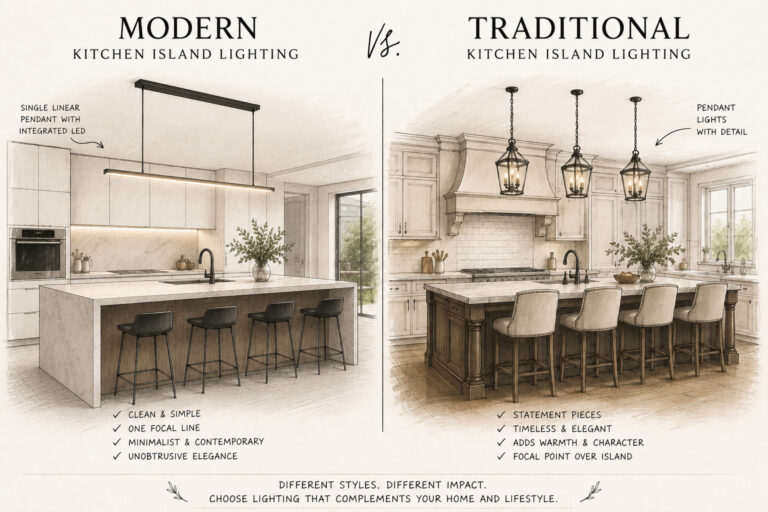
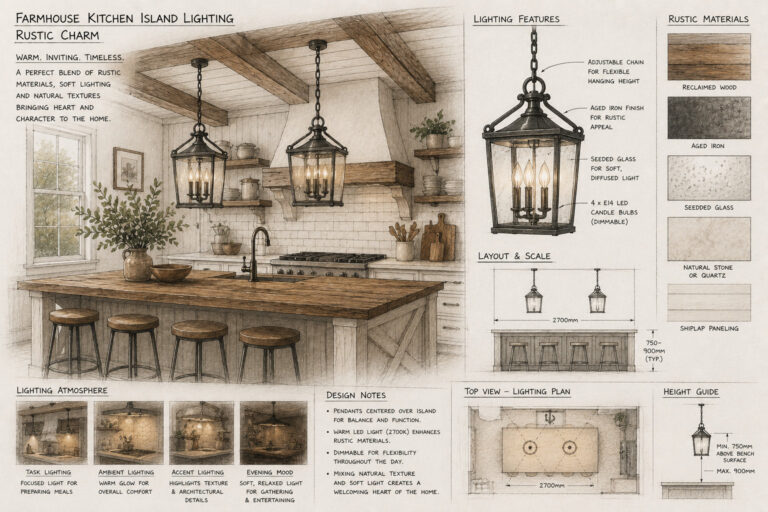
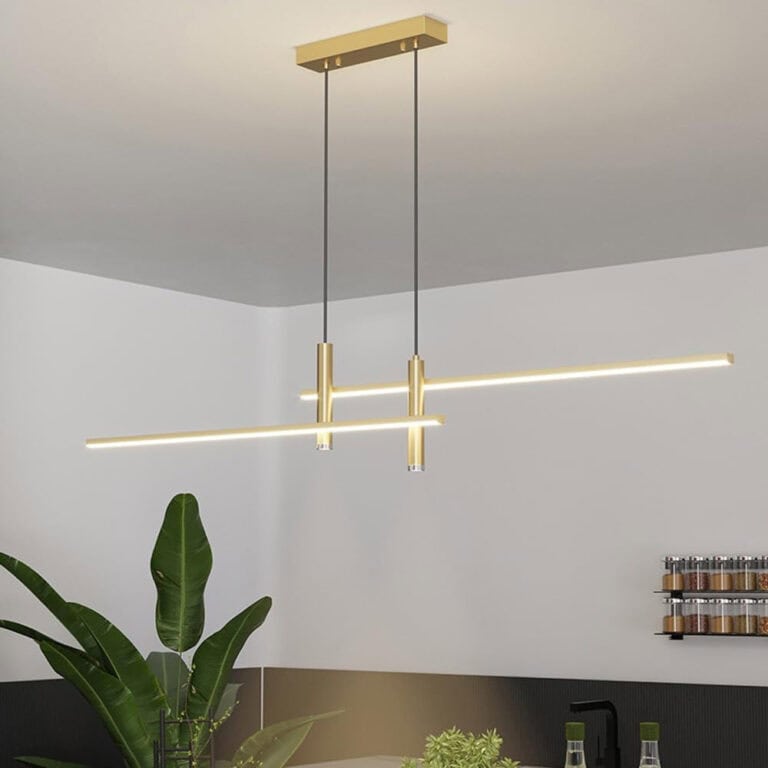
If you are looking at pendants, you do need to know how much they weigh and let the electrician know so he can make sure he has installed the appropriate supports for them. Do you want fans? do you want wall lights? all these options need to be considered.
Is your ceiling low if so you may not be able to use pendants and will have to use flush mounted ceiling lights. Will they look the same, can they give the room enough light? or will you only be able to use downlights or will you not?
The Role of Colour Temperature in Home Lighting
The role of colour temperature in your home lighting plan is to decide essentially how you want your space to feel like. and/or whether it is a work space or relaxing space.
You also need to be aware that the colour temperature of your lighting can effect your colour and finishes. For example, if you have white floor tiles, white walls, and white or pale wood furniture and you then set up your lighting with cool to daylight (4000, 6000kelvin) lighting, your space is going to feel and look very clinical. But here’s the thing in a tropical climate you might need to do that to make your space feel cooler.
Make sure you test your paint colours and floor choices with your light colour temperature to make sure you choose when you are creating your home lighting plan right colour temperature for you..
Energy-Efficient Lighting Solutions
Nowadays energy-efficient is just about all lighting, as LED has taken over the market. The range of options and benefits are vast and there is a type of LED fitting and Bulb that will suit every space and is a big component of your home lighting plan.
The most common today in energy efficiency and budget friendly, is the LED Downlight. These can be cheap and efficient and also have the least effect on furniture placements and style. As they basically fade into the ceiling and you don’t see them till you turn them on.
LED Downlights also come with the colour changing option either by a switch on the downlight itself or by the Light switch. And just about all of them are dimmable.
Using a dimmer also elevates their efficiency as you can control how much light you use at any given time. When creating your home lighting plan being able to dim and choose the kelvin colour of your lighting goes a long way to enhancing your home.
Smart Lighting Systems for Modern Homes
Okay, let me tell you about my journey with smart lighting. When I first heard about these fancy bulbs that you could control with your phone, I thought it was just another gimmick. Boy, was I wrong!
I remember the day I installed my first smart bulb. It took me way longer than it should have – I’m not exactly a tech whiz. There I was, standing on a chair, trying to screw in this bulb while holding my phone, thinking, “What have I gotten myself into?” But when that light finally came on and I dimmed it from my phone, I felt like a total genius.
Now, I’m not gonna lie, the world of smart lighting can be a bit overwhelming at first. There’s a ton of brands out there, each with their own bells and whistles. I started with Philips Hue because that’s what my neighbour had, and I figured if I messed something up, I could at least ask him for help. But there’s also LIFX, Sengled, and a bunch of others, even Google.
One thing I learned pretty quick is that not all smart bulbs are created equal. Some just do the basics like dimming and scheduling, while others can change colours faster than a chameleon on a disco floor. I have seen a customer use a light fitting put on the wall then installed all smart bulbs and set it to music. It became an Art Installation, impressive.
The real game-changer for me was when I figured out how to integrate my lights with my other smart home stuff. It’s like my house suddenly developed a brain! I’ve got my lights synced up with my thermostat and security system now. When I leave the house, everything shuts off automatically. No more panicking halfway to work, wondering if I left the bedroom light on.
Voice control is another feature that’s pretty sweet, once you get used to talking to your house like it’s a person. I’ll admit, I felt a bit silly at first, saying “Alexa, turn off the kitchen lights” when I could just flip a switch. But now? I can’t imagine going back. It’s especially handy when you’re carrying groceries or have your hands full with cooking.
One of the coolest things about smart lighting is the scheduling options. I’ve got my lights set to gradually brighten in the morning, mimicking a sunrise. It’s way nicer than being jolted awake by an alarm. And in the evening, they slowly dim to help me wind down. It’s like my house is giving me a gentle nudge towards bedtime. But this feature can also have an amazing effect on those that struggle with circadian rhythm issues because you can mimic the right amount of daylight moving to sunset and the reverse if you want to.
But let me tell you, smart lighting isn’t always smooth sailing. There was this one time when my Wi-Fi went out, and suddenly I couldn’t control any of my lights. I had to dig out some old lamps from the attic just so we could see during dinner. It was a good reminder not to get too dependent on technology. This is where your home lighting plan comes into its own. You can plan to have some lighting not dependant on the smart system so that you cover every scenario.
Despite the occasional hiccup, I’m totally sold on smart lighting now. It’s not just about convenience – it’s actually helped me save on my energy bills too. Plus, being able to control my lights from anywhere gives me peace of mind when I’m traveling.
If you’re thinking about dipping your toes into the smart lighting world, my advice would be to start small. Maybe try a single smart bulb or a smart plug first. See how you like it before going all-in and replacing every light in your house. Trust me, once you start, it’s hard to stop!
Outdoor Lighting as Part of Your Home Lighting Plan
Let me tell you, when I first bought my house, I didn’t give a second thought to outdoor lighting. Big mistake. I found that out the hard way when I tripped over my own garbage can one dark night. Talk about embarrassing!
After that little incident, I decided to get serious about my exterior lighting and boy, what a difference it’s made! Not only can I now navigate my driveway without risking life and limb, but my house looks pretty darn good too.
So, here’s the deal with outdoor lighting – it’s not just about making things look pretty (though that’s definitely a perk). It’s also a major safety feature. I mean, burglars aren’t exactly fans of well-lit houses, you know? Using your home lighting plan to make sure all areas are covered is the best way to ensure your guests are not having to use their phone flashlights just to find your front door.
Now, when it comes to types of outdoor lighting, you’ve basically got two main categories: functional and decorative. Functional lighting is your bread and butter – stuff like porch lights, path lights, and those motion-sensor floodlights that make you feel like you’re on stage every time you take out the trash.
Decorative lighting, on the other hand, is where you can really let your creative juices flow. I’m talking about things like string lights, lanterns, and those cool spotlights that make your trees look like something out of a fairy tale. A home lighting plan will help you determine which fitting to use where.
One thing I wish I’d known from the start is that landscape lighting is an art form in itself. There’s this technique called ‘moonlighting’ where you put lights up in trees to cast a soft, natural-looking glow. I personally prefer Fairy lights in trees. I think they just look so magical in any garden. You can get them in many colours and colour changing and also there is smart versions that you can control with your phone or app or smart home system. But making sure you have power where you need it again is one of the main reasons for the home lighting plan as this will allow you to organise power where you need it.
Now, let’s talk about solar-powered options. When I first heard about these, I thought they were too good to be true. Lights that don’t need to be plugged in and don’t add to my electricity bill? Sign me up! I started small with some solar path lights, half expecting them to conk out after a week. But you know what? They’re still going strong, even after a couple of years.
The best part about solar lights is that you can put them pretty much anywhere. I’ve got some in my flower beds, along the driveway, and even floating in my little pond. They’re not as bright as traditional lights, but for adding a bit of ambiance, they’re perfect.
One word of advice though – don’t cheap out on solar lights. I made that mistake once and ended up with a set that looked great for about a month, then started flickering like a bad horror movie. Spend a little extra for quality, and you’ll save yourself a headache in the long run.
So there you have it – my crash course in outdoor lighting and to include your outdoor lighting into your home lighting plan. It’s been a journey of trial and error, but I can honestly say my house has never looked better.
DIY vs. Professional Home Lighting Plan
Alright, let’s talk about the age-old question: to DIY or not to DIY? When it comes to a home lighting plan.
So, DIY home lighting plans. They’re tempting, right? I mean, who doesn’t love the idea of saving a few bucks and getting to brag about how you did it all yourself?
But here’s the thing – DIY isn’t all bad. For one, it’s usually cheaper upfront. Plus, there’s something really satisfying about figuring things out on your own. You can learn a ton about colour temperature and lumens during a DIY phase.
Now, on to professional lighting designers. You can resist hiring one for the longest time. I mean, come on, how hard could it be to put some lights in, right? Wrong. When you finally swallow your pride and call in a pro, it was like someone flipped a switch (pun totally intended).
Here’s the real kicker though – hiring a professional isn’t always as expensive as you might think. Sure, their fee might make you wince at first, but when you factor in all the money you can waste on fixtures that don’t work and the time you spent fiddling with things, it probably evens out.
She started asking me questions I’d never even considered. How do I use each room? Do we want fans and/or fans with lights? What mood am I going for? Do I have any art I want to highlight? Would we want floor lamps? It was like she was speaking a whole new language. Plus, they have access to products and ideas that I never would’ve found on my own.
So, when should you consider calling in the big guns for your home lighting plan? Well, if you’re doing a major renovation or building a new home, definitely get a pro involved. Same goes if you have a really tricky space or some specific lighting needs.
Now, if you do decide to work with a lighting designer, here’s a tip: be open and honest about your budget. I made the mistake of being cagey about this at first, and we wasted a lot of time looking at options that were way out of my price range. Once I fessed up, we were able to focus on solutions that wouldn’t require me to sell a kidney.
Also, don’t be afraid to speak up about what you like and don’t like. Your designer might be the expert, but it’s your home. I nearly ended up with a chandelier that looked like a spaceship because I was too polite to say it wasn’t my style. Remember, a good designer wants you to be happy with the result. A home lighting plan while it is just on paper is the time to make sure you are happy with your choices.
At the end of the day, whether you go DIY or pro really depends on your situation, budget, and how much you enjoy tinkering with things. Me? I’ve found a happy medium. I still do some simple lighting projects myself (under-cabinet lighting in the kitchen, anyone?), but for the big stuff, a full on home lighting plan, I call in the experts.
And you know what? My home finally looks like those magazine spreads I was dreaming of. All thanks to a well though out and executed home lighting plan.
Conclusion:
Illuminating your home isn’t just about flipping a switch – it’s about creating a harmonious blend of functionality and aesthetics. By following this comprehensive home lighting plan guide, you’re well on your way to transforming your living spaces into perfectly lit havens.
Remember, good lighting is an investment in your home’s value and your quality of life. So go ahead, play with layers, experiment with smart tech, and let your personality shine through your lighting choices. Your perfectly illuminated home awaits – it’s time to light it up!
Contact Me
I would love to hear from you!
Glenis McQuade is a highly skilled and experienced kitchen and lighting designer, specializing in creating beautiful and functional spaces. With a passion for design and innovation, Glenis McQuade strives to bring her clients’ visions to life, creating spaces that are both stylish and practical.
Need a Lighting Plan? Let me know how I can help.