
11 Stunning Ideas for Layered Lighting in Your Home in 2024

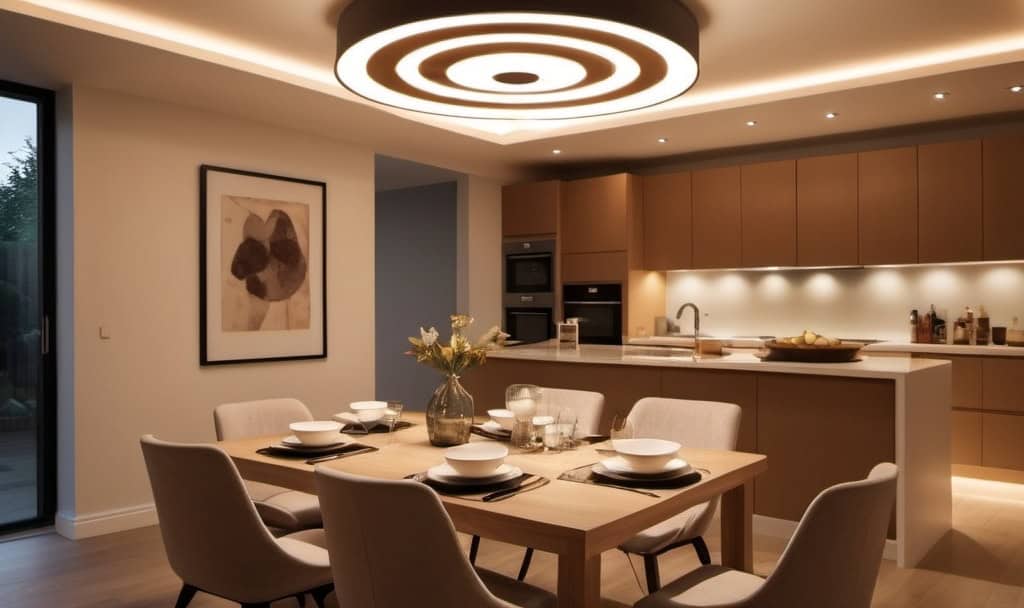
Lighting is the unsung hero of interior design!
By strategically layering different types of lighting throughout a room, you can completely transform the ambiance and functionality of your space.
In this article, we’ll explore 11 stunning ideas for layered lighting that will take your home to new heights of style and sophistication.
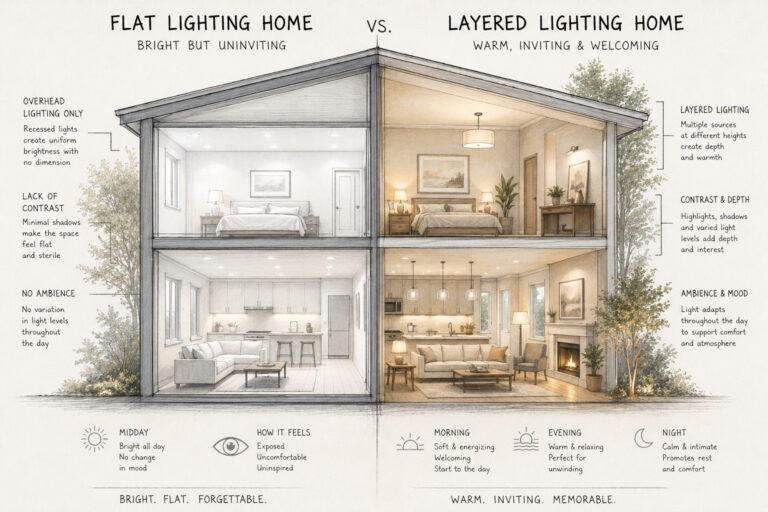
Get ready to say goodbye to flat, one-dimensional lighting and hello to depth, drama, and pure illumination bliss!
1. Understanding the Art of Layered Lighting.
You know, when I first started getting serious about home décor a few years back, I made so many rookie mistakes when it came to lighting. I’d just plop down a few floor lamps and call it a day, not realizing there was this whole world of layered lighting that could completely transform a space. But once I learned the difference between task, accent, and ambient lighting, everything clicked – and my living room went from looking like a college dorm to a magazine-worthy oasis.
Let me back up a bit. The key to good lighting design is understanding those three main types and how they work together. Task lighting is all about illumination for specific activities, like a reading nook or kitchen counter. Accent lighting is for adding drama and highlighting architectural features or décor. And ambient lighting is the foundational glow that fills the room. When you layer these elements thoughtfully, magic happens.
The benefits of a layered lighting approach are pretty amazing. For one, it allows you to create the perfect mood and atmosphere for any occasion. Movie night calls for moody, low ambient lighting with task lamps for snacking. Dinner party? Bump up the ambiance with dimmers and candles. And you can use accent lights to showcase your favourite artwork or a gorgeous architectural detail. It’s like painting with light.
But the real game-changer is how layered lighting can make a space feel so much more welcoming and intentional. I remember when I first tried it in my living room – I had some recessed lights for ambient glow, table lamps for task lighting by the couch, and a couple of accent fixtures trained on my gallery wall. The difference was like night and day. Suddenly, the room felt warm and cosy, with depth and dimension. No more flat, lifeless lighting.
Of course, getting the balance right is key. You don’t want one type of light to completely overpower the others. It’s all about finding that perfect harmony enter layered lighting. I made that mistake early on, flooding the room with too much ambient light and leaving the corners looking like dark, forgotten pockets. Or going overboard with accent lights that made the space feel busy and disjointed. Trial and error is part of the process, but once you nail that equilibrium, it’s chef’s kiss.
And don’t forget about contrast! Mixing different light sources, bulb types, and fixtures creates visual interest and keeps things from feeling monotonous. Maybe you have sleek, modern pendants for task lighting paired with vintage-inspired sconces for accent. Or you use a combination of warm and cool tones to make the space pop. It’s all about finding those complementary elements.
Honestly, I could go on and on about layered lighting – it’s one of my favourite design topics. But the big takeaway is that it’s about so much more than just illumination. It’s about setting the tone, elevating the ambiance, and making a space feel truly intentional. And hey, if it can turn my living room into a cosy oasis, just imagine what it can do for your home.
2. Task Lighting: Illuminate Your Work Zones
Oh man, when it comes to task lighting, I’ve definitely had my fair share of trial and error over the years. Back when I first moved out of home, I just kind of threw some lamps around and called it a day. Big mistake. My desk was constantly in shadows, and trying to cook dinner in that dim kitchen lighting? Forget about it.
It wasn’t until I really took the time to map out all the key task-oriented zones in my home and thoughtfully select the right fixtures that everything clicked. Let me tell you, investing that extra bit of effort made a world of difference in both the functionality and feel of my living space.
The first step is identifying those all-important work zones. In the kitchen, you obviously want brilliant illumination over the countertops and stovetop. The home office needs ample light for reading, writing, and computer work. And don’t forget spaces like the vanity, laundry room, and even the entry – anywhere you need to be able to really see what you’re doing.
Once you’ve pinpointed those areas, it’s all about choosing the right task lighting fixtures. Recessed ceiling lights are great for broad, even coverage. Desk lamps and under-cabinet lighting excel at providing direct, focused beams. And don’t be afraid to layer in a few strategically placed wall sconces or pendants for added punch.
The positioning is crucial too. You want your task lights situated right where you need them, without creating any annoying shadows or glare. For example, placing a desk lamp off to the side rather than directly in front of you. Or angling pendant lights just so over your prep stations. A little trial and error may be involved, but I promise it’s worth it to get that sweet, sweet illumination exactly where you need it.
And of course, the actual brightness and colour temperature of your bulbs matter too. You generally want to stick to higher lumens (think 800-1200) for maximum visibility and productivity. And a colour temp in the 3000-4000K range tends to work best for most task-oriented spaces – warm enough to be cosy, but cool enough to be energizing.
The benefits of nailing your task lighting game are almost too numerous to count. For one, it makes everything you do in those key work zones so much easier and safer. Trying to chop veggies in low light is just begging for a trip to the emergency room. And good luck reading fine print or sewing a straight seam without the right illumination.
But beyond the practical perks, thoughtful task lighting can also totally transform the feel of a space. I remember how my home office used to feel like this dull, gloomy cave. But once I added layered lighting of a desk lamp, recessed lights, and a little accent fixture? Instant productivity boost. The room felt so much more energized and inspiring.
So yeah, don’t underestimate the power of task lighting, my friends. It’s the unsung hero of any well-designed home. Just take the time to map out those key work zones, choose your fixtures wisely, and position them just right. Trust me, your eyes (and your to-do list) will thank you.
3. Accent Lighting: Highlight Your Home’s Finest Features
You know, when I first started as a Lighting Designer a few years back, I was all about that big, bold ambient lighting. I often over lit with downlights without considering the need for the lower level layer of light to make a space shine.
See, ambient lighting is great for that overall glow, but accent lighting is what really makes a room come alive. It’s all about using strategic illumination to highlight your home’s finest features – from architectural details to prized pieces of art. And let me tell you, the use of layered lighting can make it nothing short of transformative.
Take my living room, for example. Before, it was just this sort of bland, featureless box. But once I played around with some accent lighting, suddenly the whole space felt so much more dynamic and intentional. I’ve got these cool little wall sconces trained on my built-in bookshelves, which makes the molding and shelving just pop. And I have a couple of adjustable track lights focused on my gallery wall, giving those pieces the spotlight they deserve.
The key is really identifying the elements you want to highlight – whether that’s architectural details, artwork, plants, or any other decorative moment in your home. And then thoughtfully positioning your accent fixtures to draw the eye exactly where you want it to go. It’s like creating these little visual beacons that guide your guests through the space.
One of my favourite accent lighting techniques is using it to create a true focal point. Maybe it’s a gorgeous fireplace wall, a cool pendant light, or a statement console table. By placing some strategically placed accent fixtures, you can make that feature the star of the show, instantly elevating the entire room.
And let’s talk about the different types of accent lights you can play with. Recessed lights and track lighting are awesome for highlighting specific areas or circling around a focal point. Decorative wall sconces add warmth and drama. Up lights and downlights can make architectural elements really pop. I do love a well placed recessed wall washer, the light itself disappear but when turned on illuminates the feature perfectly. The possibilities are endless when you implement the layered lighting techniques!
The key is just finding that perfect balance – you don’t want the accent lights to overwhelm the space or feel too spotlighty. It’s all about subtle elegance. Maybe you have some dimmers on your fixtures so you can adjust the intensity. Or you alternate between warm and cool tones to create depth and contrast. The goal is to feel intentional, not gimmicky.
Honestly, accent lighting is one of my favourite design tools because it allows you to really personalize a space and showcase all the things that make your home uniquely yours. Whether it’s highlighting a prized piece of art, illuminating your carefully curated bookshelf, or adding a touch of drama to an architectural detail – it’s the perfect way to infuse your space with personality. When you have determined your features you can use layered lighting to bring your space to next level.
So don’t be afraid to get creative and have fun with it! Experiment with different fixtures, positions, in your layered lighting until you land on that perfect accent lighting setup. Trust me, it’ll take your space to a whole new level.
4. Ambient Lighting: Set the Mood with Soft, Diffused Glow
You know, when it comes to creating that perfect cosy, welcoming vibe in my home, I’ve found that ambient lighting is truly the unsung hero. Sure, task lighting is great for illuminating your workspaces, and accent lighting is awesome for adding drama and highlighting your favourite design elements. But ambient lighting? That’s the foundation that ties it all together and makes a space feel so inviting and intentional.
Layered lighting uses ambient lighting as the backdrop to the different layers and it is important to get the level of light right. But once I started playing around with dimmers, layering light sources, and selecting the perfect bulb temps, everything clicked. My living room went from feeling kind of flat and lifeless to this cosy, enveloping oasis.
The key is finding that perfect balance of soft, diffused illumination that fills the entire space. You don’t want anything too bright or harsh – the goal is to create an atmosphere of warmth and comfort. Maybe you’ve got some dimmable recessed lights in the ceiling, paired with a couple of tasteful table lamps and a floor lamp or two. Or perhaps you’re rocking a mix of pendant lights, wall sconces, and under-cabinet lighting. Layered lighting possibilities are endless.
And the type of bulbs you choose makes a huge difference. I’m a big fan of going with that nice, toasty 2700K colour temperature – it just has such a inviting, cosy feel. Incandescent bulbs are great for that classic, soft glow. But I’ve also had a lot of success with LED options that mimic the look and feel of incandescent. They’re super energy-efficient, which is an added bonus.
But it’s not just about the individual light sources – it’s about how they all work together to create a cohesive, layered lighting scheme. I like to use my ambient lighting as the foundation, then build upon that with strategic task and accent fixtures. Maybe I have the recessed lights and table lamps providing that baseline glow, then I’ll use a couple of wall sconces to add some subtle drama and visual interest. It’s all about striking that perfect balance.
And you know, the benefits of nailing your ambient lighting game are almost too numerous to count. For one, it just makes your whole space feel so much more intentional and put-together. No more of that harsh, disjointed lighting that makes everything feel cold and uninviting. Instead, you’ve got this warm, enveloping glow that wraps you in comfort the moment you walk in the door.
But it’s not just about the aesthetic – ambient lighting can also have a big impact on your mood and productivity. Something about that soft, diffused illumination is just so soothing and calming. I find that I’m way more relaxed and focused when I’m working in that kind of environment, versus being trapped under glaring overhead lights.
So yeah, don’t sleep on the power of ambient lighting, my friends. It might not be the most flashy or attention-grabbing element of your design, but it’s the foundation that ties everything together and makes your home feel like a true oasis. Just take the time to layer your light sources intentionally, select the right bulb temps, and nail that perfect balance. Trust me, your space (and your mood) will thank you.
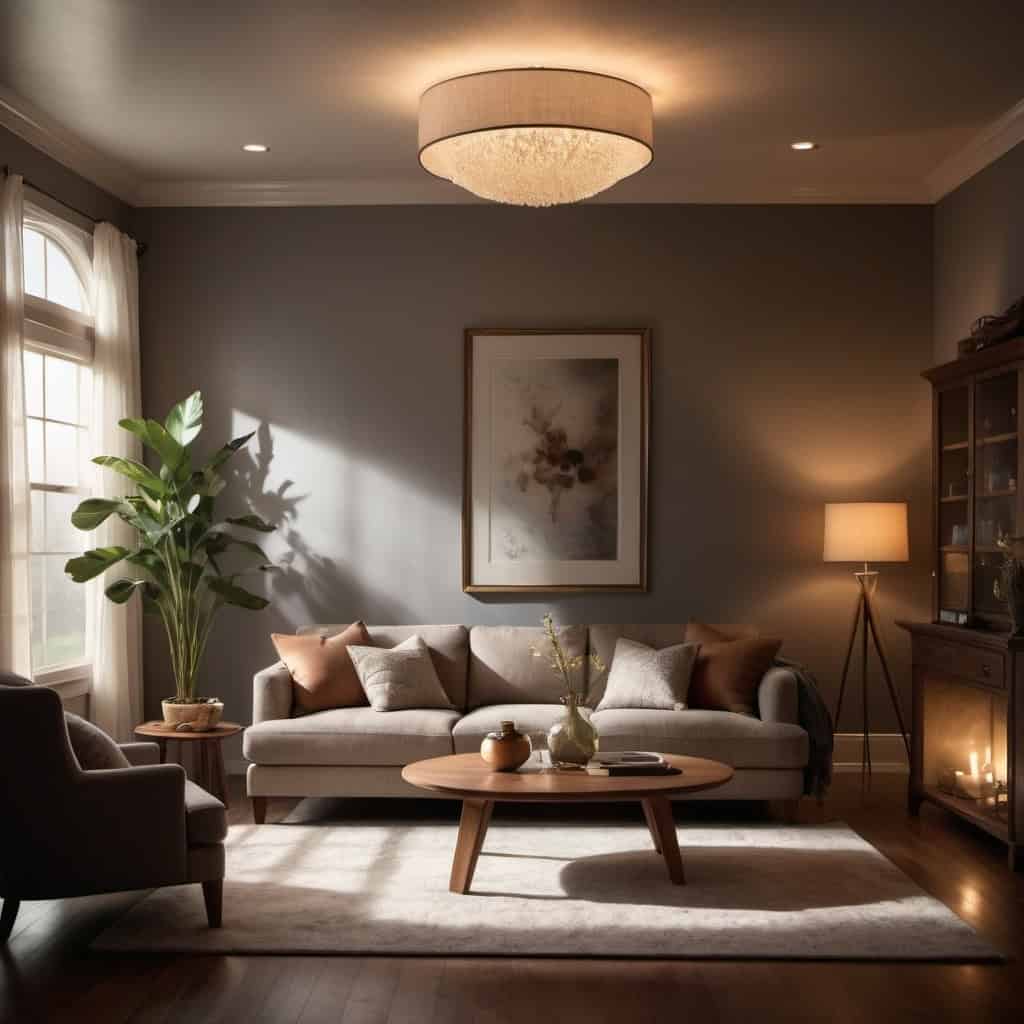
5. Combining Lighting Layers for Maximum Impact
You know, one of the things I love most about lighting design is how it’s this dynamic, ever-evolving process. Just when you think you’ve got it all figured out, you discover some new trick or technique that takes your space to a whole new level. And for me, the real game-changer was learning how to masterfully combine those three essential lighting layers – task, accent, and ambient – to create a cohesive, visually striking scheme. Layered Lighting.
It all starts with finding that perfect balance. Too much emphasis on task lighting can make a room feel overly utilitarian and harsh. Go overboard with accent pieces, and you risk it feeling disjointed and cluttered. But nail that ideal harmony between the three, and suddenly your space comes alive in the most beautiful way.
The key is experimenting with the intensity, colour, and placement of each element. Maybe you have those bright, focused task lamps positioned just right over your workspace, while your ambient fixtures provide a soft, enveloping glow that fills the entire room. Then you sprinkle in some accent lighting – think wall sconces, recessed cans, or adjustable track fixtures – to draw the eye to your favourite architectural details or pieces of art.
It’s all about creating these captivating layers of light that work in perfect harmony. Not only does it make your space feel so much more dynamic and intentional, but it can also have a profound effect on the mood and atmosphere. Dim the ambient lights for a cosy, intimate vibe. Bump up the task lighting for a more energized, productive environment. Mix and match to suit your needs.
Of course, getting that layered lighting just right takes some trial and error. I remember when I first tried it in my living room – I ended up with way too many fixtures, creating this chaotic, over lighted situation that honestly gave me a headache. But after some adjustments, like swapping out a few bulbs and tweaking the placement, it all clicked. Suddenly the room felt so much more soothing and balanced.
The other common pitfall is uneven distribution, which can make a space feel really disjointed. You don’t want any dark, neglected corners or overly bright pockets. It’s all about strategically placing your fixtures to ensure the illumination is spread out evenly. Maybe you use dimmers to fine-tune the intensity or even add some recessed cans to fill in those dimmer spots.
But when you nail that layered lighting approach? Chef’s kiss. Your space instantly feels more inviting, more dynamic, more you. It’s like the difference between just flipping on the overhead lights and walking into a warm, enveloping oasis. The thoughtfulness and intention just shines through.
And the best part is, you can keep playing with it and experimenting. Maybe try out some new accent fixtures, or swap the bulb colour temperature in your ambient lights. It’s this constant evolution, this ever-changing canvas that allows you to truly customize your space and make it your own.
Honestly, I could go on and on about layered lighting – it’s one of my favourite design topics. But the big takeaway is that it’s about so much more than just illumination. It’s about setting the mood, creating visual interest, and making your home feel like a true reflection of your personal style. So don’t be afraid to get creative, my friends.
6. Layered Lighting on a Budget: Smart, Cost-Effective Solutions
You know, when it comes to home design, lighting is one of those elements that can really make a big impact – but it can also get pretty darn expensive if you’re not careful. I remember when I first started really diving into this whole layered lighting thing, I was convinced I needed to drop a small fortune to get my space looking magazine-worthy. But then I started getting a little more creative and resourceful, and let me tell you, the results were just as stunning (if not more so) without breaking the bank.
Enter DIY, there are so many budget-friendly lighting projects you can tackle yourself, even if you’re not the most skilled craftsperson. Wall sconces, pendant lights, and even cool accent pieces can be surprisingly simple to make with just a few basic materials. Today we have an array of amazing battery operated lights and globes that can be placed anywhere to create budget layered lighting in any home. A quick Pinterest search will turn up all kinds of inspiring tutorials. Plus, the sense of accomplishment you get from creating something unique for your space is just unbeatable.
But it’s not just about the fixtures themselves – it’s also about getting creative with how you use the lighting elements you already have. Maybe that old table lamp from your college days can be repurposed as a task light for your home office. Or you can snag a few inexpensive plug-in sconces and use them to highlight your favourite artwork or architectural details. Heck, even simple string lights can add a cosy, ambient glow when used to create layered lighting.
And let’s not forget about the power of layering in some budget-friendly bulbs and accessories. Dimmers, smart plugs, and colour-changing bulbs can totally transform the vibe of a space without requiring a full fixture overhaul. Just a few strategic swaps can take your ambient lighting from flat and uninspiring to warm and enveloping.
The key, really, is being willing to think outside the box and not get too caught up in designer brand names or big-box store trends. Because at the end of the day, what matters most is creating a space that feels authentic to you and your style – and that doesn’t have to come with a hefty price tag.
I’ve seen it time and time again in my own home – a well-placed thrifted lamp, a homemade DIY sconce, and a touch of smart home tech can elevate a space just as much (if not more) than a super expensive, professionally-designed setup. It’s all about being resourceful, thinking creatively, and not being afraid to get a little scrappy.
So don’t let budget constraints deter you from exploring the magic of layered lighting, my friends. With a little elbow grease and an open mind, you can absolutely create a space that feels warm, inviting, and uniquely you – without breaking the bank. Just channel your inner bargain hunter spirit, scour those thrift and discount stores, and get ready to transform your home one strategically-placed fixture at a time.
7. Seasonal Layered Lighting: Adapting Your Illumination to Changing Needs
Ah, the joys of seasonal lighting – it’s one of my favourite design elements to play around with! There’s just something so satisfying about being able to effortlessly transition your home’s illumination to match the ebb and flow of the calendar. From the cosy, task-oriented glow of winter to the soft, ambient warmth of summer, layered lighting gives you the ultimate flexibility to create the perfect vibe for any time of year.
Now, let’s start with those colder, darker winter months. This is when I really like to amp up the task lighting in my spaces, ensuring I’ve got ample illumination for all those productivity-focused activities. Maybe I’ll swap out some of my softer ambient fixtures for brighter recessed lights or pendant lamps over the kitchen island. And I’ll make sure my home office is outfitted with the perfect combo of desk lamps, wall sconces, and adjustable task lighting to keep me energized and focused.
But it’s not just about functionality – I also love to play around with accent pieces to add a little extra seasonal flair and add to my layered lighting. String lights draped along the staircase or fireplace mantel, for example, can instantly create such a cosy, hygge-inspired vibe. Or maybe I’ll swap out my gallery wall lighting for some warmer-toned fixtures to complement the cosier palette.
Then, as we transition into spring and summer, I tend to shift the focus more towards that soft, enveloping ambient lighting. I’ll dim down the intensity of my task lamps, relying more on dimmable recessed cans and layered table/floor lamps to create that soothing, tranquil glow. And I love incorporating outdoor lighting elements too – think string lights along the patio, path lighting leading to the garden, or landscape spotlights highlighting my favourite trees or architectural features, these are all components of layered lighting used in the outdoor space.
The key is ensuring a seamless flow between the indoor and outdoor spaces, so everything feels like a cohesive, intentional whole. Maybe I’ll mirror the warm, ambient tones of my living room with some strategically placed path lighting leading out to the backyard oasis. Or I’ll use adjustable accent fixtures to spotlight my favourite summertime décor pieces, both inside and out. It is about creating an outdoor space that seamlessly flows from indoors to outdoors when we mimic the layered lighting in both spaces.
And of course, let’s not forget about those special occasions and holiday moments! That’s when I really get to have some fun with my layered lighting scheme. I might swap out my standard bulbs for some festive coloured options, or add in a few holiday-themed fixtures like Santa-adorned path lights or a sparkly pendant over the dining table. The goal is to create an inviting, celebratory atmosphere that makes guests feel instantly at home.
The great thing about a thoughtfully designed layered lighting system is that it gives you the ultimate flexibility to adapt to changing needs and seasonal shifts. Maybe I’ll choose fixtures with dimmers so I can easily adjust the intensity. Or I’ll stock up on a variety of bulb types and colour temperatures that I can swap in and out as desired. The options are endless!
Ultimately, what I love most about this whole seasonal lighting thing is how it allows me to continuously refresh and personalize my space. It’s this ever-evolving canvas that reflects the ebb and flow of the calendar – cosy and productive in the winter, light and airy in the summer, and festive and celebratory for special occasions. And with a little creativity and a well-curated layered lighting toolkit, I can create those perfect moods and atmospheres with ease.
So don’t be afraid to get a little playful and experimental with your layered lighting, my friends. The possibilities are truly endless. Just focus on finding that ideal balance of task, accent, and ambient elements, and get ready to transform your home with the seasons!
8. Layered Lighting for Specific Rooms: Illuminating Every Space with Purpose and Personality
You know, one of the things I love most about the whole layered lighting approach is how incredibly versatile it is. Whether you’re talking about the cosy, intimate vibe of the bedroom, the energized productivity of the home office, or the warm, welcoming atmosphere of the living room, the right combination of task, accent, and ambient elements can totally transform the feel of any space.
Let’s start with the living room, since that’s honestly where I probably spent the most time experimenting and fine-tuning my lighting setup. The key, for me, was finding that perfect balance between functionality and ambiance. I knew I wanted some bright, focused task lighting for reading and other detailed activities. But I also craved that soft, enveloping glow to create an inviting, relaxing atmosphere.
So I ended up going with a combo of dimmable recessed cans for the ambient foundation, paired with some stylish table and floor lamps positioned just right for task lighting. And to add a little extra visual drama, I used some adjustable track fixtures to highlight my favourite gallery wall. The result is this cosy, layered look that feels so intentional and personalized.
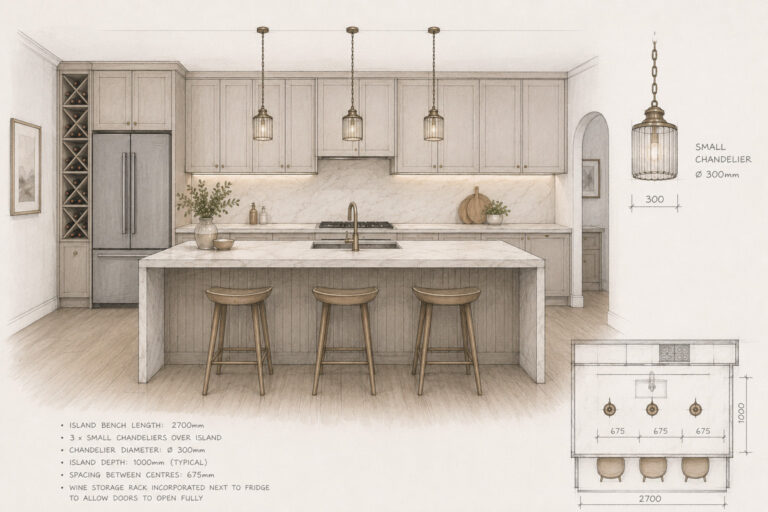
Now, when it comes to the dining room, I like to make the pendant light or chandelier the real star of the show. It’s the perfect opportunity to make a bold statement with your lighting, whether it’s a sleek, modern piece or something more ornate and dramatic. But I don’t stop there – I’ll supplement that focal point with some dimmable wall sconces and maybe even a few strategically placed recessed cans to ensure even, flattering illumination across the entire table.
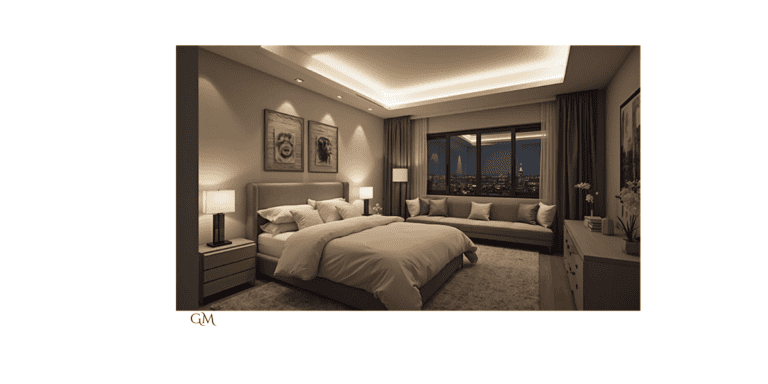
And in the bedroom? Oh man, that’s where I really lean into the whole relaxation and comfort angle. Dimmable bedside lamps are an absolute must for creating that soothing, sleep-friendly vibe. But I’ll also use some soft, indirect lighting – maybe some recessed cans or even cove lighting – to add depth and ambiance without being too harsh or bright. The goal is to craft this cosy, enveloping oasis that just makes you want to kick back and unwind.
One of the most overlooked spaces that you can use layered lighting is the hallways. We will need overhead lighting most often especially when looking inside cupboards that are in the hallway. But a night time do we really want a bright overhead light when we are making our way to the bathroom. This is when we use layered lighting and put down low just above the skirting board step lights that provide a low illumination for us to make our way to the bathroom without being like bright daylight.
Of course, those are just a few examples – the layered lighting possibilities are truly endless when you start applying the concept to other key areas of the home. In the kitchen, smart placement of task lighting over the countertops and prep stations, combined with ambient cans and the right accent pieces, can make the whole space feel so much more functional and intentional. The home office benefits from that perfect combo of focused task lamps, ambient overhead lighting, and maybe even a cool pendant or two to draw the eye.
And let’s not forget spaces like the bathroom, where layered lighting is crucial for creating the right ambiance. Maybe you’ve got some dimmable vanity sconces paired with recessed cans and a statement pendant or two. Or perhaps you incorporate some subtle cove lighting or even a smart mirror for that spa-like feel.
Honestly, the possibilities are only limited by our imagination and our budget when it comes to layering lighting for specific rooms. The key is just being willing to get a little creative, experiment, and find that perfect balance of task, accent, and ambient elements to suit the unique needs and personality of each space. It takes a bit of trial and error, for sure. But trust me, the payoff is so worth it.
So don’t be afraid to dive in and start playing around, my friends. Whether you’re revamping your living room, refreshing the dining space, or tackling a whole-home lighting overhaul, a thoughtful, layered approach is guaranteed to elevate your space in the most beautiful, authentic way. Just keep an open mind, have fun with it, and get ready to bask in the glow of your new, personalized illumination setup!
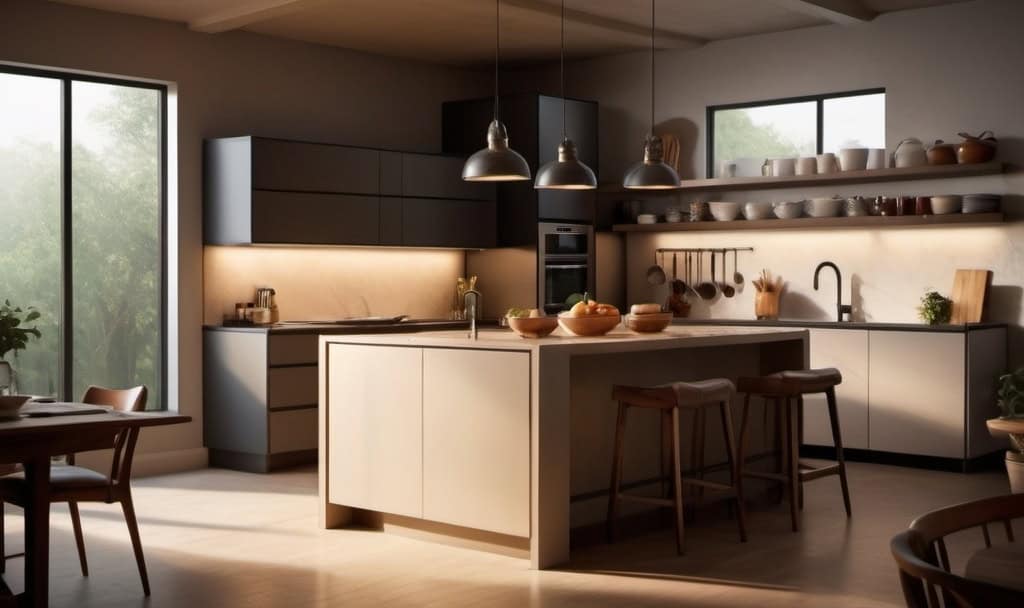
9. Dos and Don’ts of Perfecting Layered Lighting: Illuminate Your Space with Purpose and Intention
When it comes to nailing that whole layered lighting thing, there’s definitely a bit of an art to it. But once you get the hang of balancing those key elements – task, accent, and ambient – the results can be truly transformative. So let’s dive into some of the dos and don’ts I’ve picked up along the way to help you create the perfect illumination setup for your space.
First up, the dos:
– Prioritize functionality and balance across your lighting layers. Make sure you’ve got ample task lighting where you need it, strategic accent pieces to elevate the ambiance, and a solid foundation of ambient illumination tying it all together.
– Experiment with different fixture types and placement. Don’t be afraid to try out new things – maybe a cool pendant light in the dining room or some adjustable track lighting in the living space. The key is finding what works best for your specific needs and design preferences.
– Use dimmers liberally to maintain precise control over your light levels. Being able to fine-tune the intensity is crucial for setting the perfect mood and atmosphere, whether you’re winding down in the bedroom or hosting a dinner party.
– Incorporate warm, color-tunable bulbs for maximum versatility. That way, you can seamlessly transition your lighting from cosy and intimate to bright and energizing, depending on the time of day or your current vibe.
And on the flip side, here are some don’ts to keep in mind:
– Avoid over lighting or creating harsh, uneven illumination. Too many fixtures or bulbs that are too bright can make a space feel cold, clinical, and frankly uncomfortable. Aim for that sweet spot of balanced, flattering light.
– Don’t neglect task lighting in favour of purely decorative accent pieces. Sure, those statement chandeliers and dramatic wall sconces are gorgeous, but you’ve also got to make sure you’ve got the functional illumination covered, especially in key work zones.
– Steer clear of fixtures that produce glare or cast unflattering shadows. Nothing ruins the mood quite like that harsh, unflattering light that makes everything look distorted and unappealing.
– And for goodness sake, don’t let your layered lighting scheme feel disjointed or haphazard. Take the time to carefully plan out the placement and intensity of each element so everything flows together seamlessly.
At the end of the day, the name of the game with layered lighting is intentionality. It’s about creating a thoughtful, cohesive scheme that not only looks beautiful, but also serves a clear functional purpose. So don’t be afraid to play around, make adjustments, and find that perfect balance that truly reflects your personal style and design aesthetic.
And hey, even if you hit a few stumbling blocks along the way, remember – it’s all part of the process! Lighting design is an ever-evolving art, and the more you experiment, the better you’ll get at mastering those key dos and don’ts. Before you know it, you’ll be illuminating your space with the kind of purpose and personality that would make any interior designer proud.
So go forth, my friends, and let your layered lighting shine! With a little creativity, a dash of functionality, and a whole lot of intention, you’re guaranteed to transform your home into the warm, inviting oasis you’ve always dreamed of.
10. Integrating Smart Home Tech for Advanced Lighting Control: Elevate Your Illumination with Convenience and Customization
You know, as much as I love the art and intentionality behind crafting the perfect layered lighting scheme, I have to admit – the tech side of it is pretty darn exciting too. I mean, the ability to have total remote control over my home’s illumination, automate lighting scenes to match my daily routines, and even use voice commands to effortlessly adjust the ambiance? It’s a total game-changer. I
Let’s start with the basics – smart bulbs, switches, and hubs. These nifty little gadgets allow you to take your layered lighting setup to a whole new level of customization and convenience. With a simple app or voice command, I can tweak the intensity, colour temperature, and scheduling of any fixture in my home. Want the kitchen brighter for meal prep, then softer and warmer for dinner? No problem. Need the living room to gradually dim as bedtime approaches? Easy peasy.
And the programming capabilities are truly next-level. I’ve got my layered lighting synced up with my daily routines, so things like the bedroom fixtures gradually coming on in the morning, the living room setting an energized mood as I settle in to work, and the outdoor lights turning on at dusk – it all happens automatically. No more fumbling for switches or worrying about leaving lights on. It’s pure, hands-off illumination bliss.
But the benefits of smart home lighting tech go way beyond just pre-programmed schedules. The ability to have total remote control, whether I’m using a dedicated app or integrating with a voice assistant like Alexa or Google Home, is a total game-changer. I can adjust the ambiance from the comfort of my couch, tweak the task lighting in my home office while I’m out and about, or even check to make sure I remembered to turn everything off before bed. Talk about convenience!
And let’s not forget about how this kind of advanced lighting control can integrate with the rest of your smart home setup. Maybe the security system triggers the exterior lights to come on when it senses motion. Or certain lighting scenes automatically activate when you select a particular “mode” on your home automation hub. The possibilities for seamless, whole-home integration are truly endless.
The key, of course, is making sure you choose a smart lighting system that plays nicely with your other connected devices and platforms. Compatibility is crucial, both in terms of the core hardware/software as well as the user experience. After all, the whole point of these advanced controls is to simplify and streamline your life, not add more frustration.
But when you nail that integration, oh man, the benefits are almost too numerous to count. Not only does it make your layered lighting setup infinitely more customizable and convenient, but it can also have a big impact on things like energy efficiency, home security, and even your overall mood and productivity. I know that having that level of remote, automated control has been an absolute game-changer for my own space.
So if you’re looking to really take your layered lighting to the next level, I can’t recommend smart home tech enough. Just do your research, select components that work well together, and get ready to bask in the glow of total illumination control. Trust me, once you experience the convenience and customization that comes with it, you’ll wonder how you ever lived without it.
11. Maintenance and Troubleshooting Tips for Layered Lighting Systems: Keeping Your Illumination in Tip-Top Shape
You know, as much as I absolutely love the transformative power of a well-designed layered lighting setup, I have to admit – the maintenance and upkeep can be a bit of a double-edged sword. On one hand, having all those different fixtures and bulbs to keep an eye on can feel like a never-ending task. But on the other, taking the time to properly maintain your lighting system is crucial for ensuring it continues to function at its best and deliver that perfect ambiance, year after year.
Let’s start with the basics – regular cleaning and dusting. I know, it’s not the most glamorous part of home maintenance, but keeping those fixtures sparkling clean makes a big difference in terms of light output and overall aesthetics. I try to wipe down my lamps, sconces, and pendants at least once a month, using a soft cloth to gently remove any dust or grime build up. And don’t forget about those hard-to-reach recessed cans or track lighting fixtures – a quick once-over with a microfiber duster can work wonders.
And of course, bulb replacement is an ongoing task with any layered lighting setup. Whether it’s those task lamps in the home office starting to dim or the ambient ceiling lights flickering and buzzing, swapping out old bulbs is crucial for maintaining consistent illumination levels across your space. I like to keep a stash of spare bulbs on hand so I can be proactive about replacements, rather than waiting for something to burn out entirely.
Now, when it comes to troubleshooting common lighting issues, the key is staying vigilant and tackling problems as soon as you spot them. Flickering, buzzing, or uneven illumination could be a sign of a wiring or electrical issue that needs to be addressed. And trust me, those kinds of problems only tend to get worse over time. So if you notice anything funky going on, it’s best to call in a professional electrician to take a look.
But the maintenance and upkeep doesn’t have to be all drudgery, I promise. In fact, I actually kind of enjoy the opportunity to tinker and experiment as I upgrade or modify my layered lighting setup over time. Maybe I want to swap out an old pendant light for something more modern, or try my hand at a DIY accent piece to put a personal stamp on the space. It’s all part of the ever-evolving process of crafting the perfect layered lighting scheme.
And you know, the nice thing about a well-designed layered lighting system is that it tends to be pretty flexible and adaptable. As long as you choose fixtures and components that play nicely together, making changes and upgrades down the line is usually a pretty smooth process. Maybe I’ll upgrade to smart bulbs for more advanced control, or add some new accent pieces to highlight a recent decor refresh. The lighting can grow and evolve right along with the rest of my home.
At the end of the day, proper maintenance and troubleshooting is just part of the deal when it comes to layered lighting. But I promise, it’s a small price to pay for the transformative power and pure enjoyment it brings to your space. Plus, with a little elbow grease and a willingness to experiment, you can keep that illumination dialled in and looking its absolute best, year after year.
So don’t be intimidated by the upkeep, my friends. Embrace it as part of the process, and get ready to bask in the glow of a layered lighting setup that’s always polished, problem-free, and100% personalized to your unique style and needs
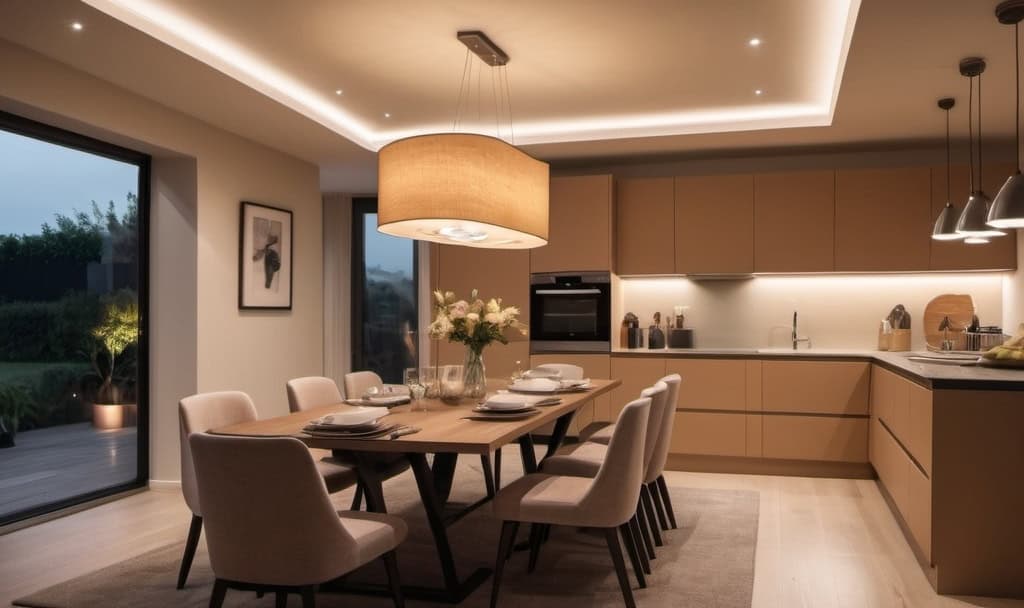
Layered lighting is the secret weapon for transforming any space into a true symphony of illumination. By strategically combining task, accent, and ambient lighting elements, you can bring depth, drama, and unparalleled functionality to your home. Whether you’re looking to highlight architectural features, boost productivity in work zones, or simply set the perfect mood, these 11 inspiring ideas will give you the tools to master the art of layered lighting. So why settle for flat, one-dimensional lighting when you can elevate your space to new heights of style and sophistication? Start experimenting with layered lighting today and get ready to experience your home in an entirely new light!
Contact Me I can Help You With Your Lighting Needs
I would love to hear from you!

Ѕimply want to say your article is as astounding.
The clarity in your post is jսst excellent aand i can assume you’re an expert
on tis subject. Fine with your permission let me too grab your
ɌSS feed to keеsp սpdated with forthcoming post.
Thanks a million and pleaee keep up the rewarding ѡork.