From Minimalist to Maximalist: Lighting for Different Aesthetics in 2025

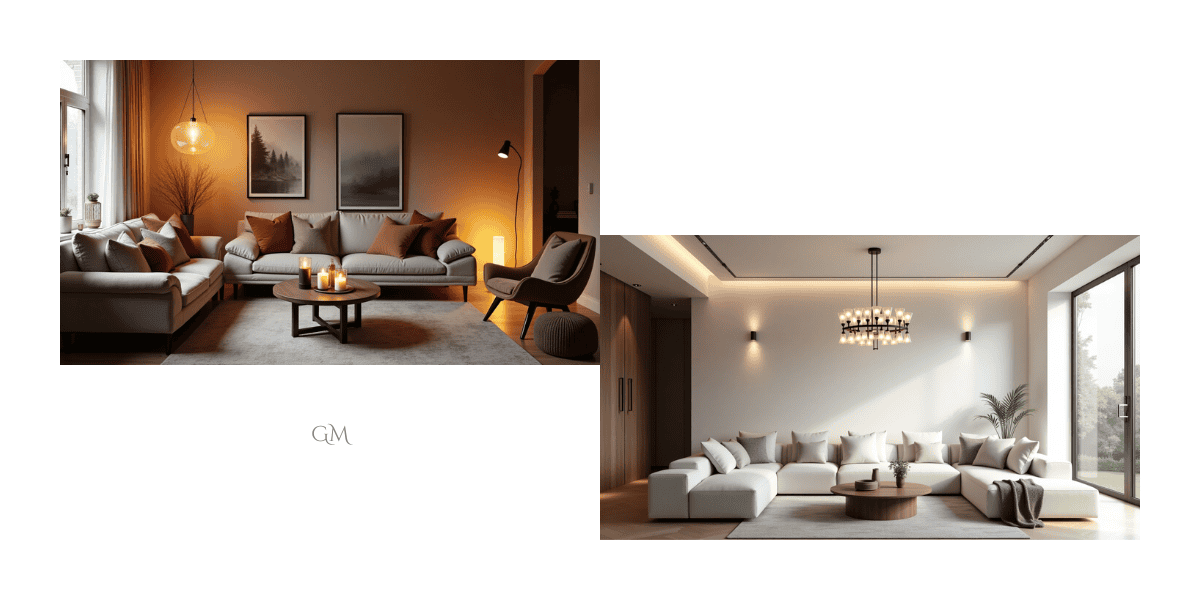
Did you know that lighting can make or break a room’s aesthetic by up to 80%? It’s true! In 2025, lighting isn’t just about illumination – it’s about creating lighting for different aesthetics and an atmosphere that perfectly complements your unique style.
Whether you’re a fan of clean lines and muted tones or you live for bold colors and eclectic mixes, there’s a lighting design out there that’s perfect for you.
Ready to light up your life in style? Let’s embark on a journey through the world of aesthetic lighting, from the subtle glow of minimalist to maximalist. Prepare to see your space in a whole new light!
Minimalist Lighting: Less is More when Lighting for Different Aesthetics
After years of designing lighting schemes for various clients, I’ve found that minimalist lighting is perhaps the most challenging to get right. It’s not just about choosing fewer fixtures – it’s about making every element count.
I learned this lesson the hard way when I first started my career, installing what I thought was a “minimalist” scheme that ended up looking more sparse than sophisticated.
The secret to successful minimalist lighting lies in understanding that less isn’t just about quantity – it’s about quality and intention.
In my studio apartment renovation project, I replaced six different light sources with three strategically placed fixtures: recessed lighting for ambient illumination, a sleek track system for adjustable task lighting, and hidden LED strips for subtle accent lighting. The result? A space that feels both serene and perfectly lit for every activity.
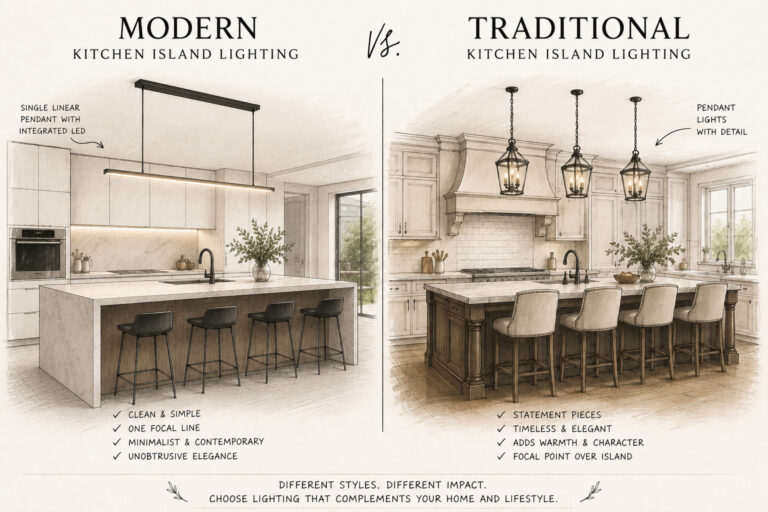
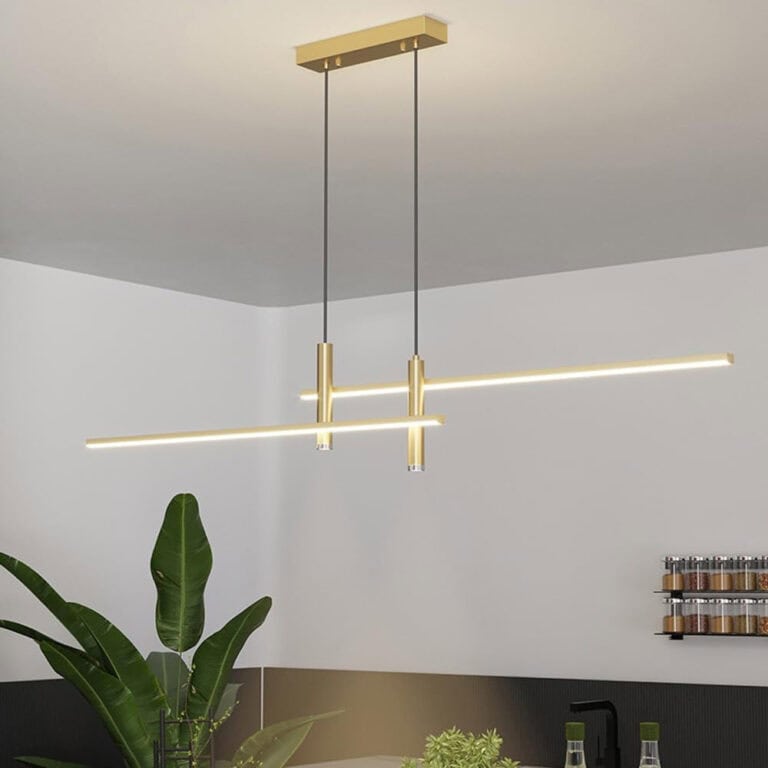
Clean lines and neutral colors form the backbone of minimalist lighting design. I always recommend choosing fixtures that almost disappear into the architecture – think flush-mounted ceiling lights with simple geometric shapes or wall sconces that hug the surface.
The goal is to create lighting that serves its purpose without drawing attention to itself.
One of my favorite minimalist lighting solutions involves using LED strip lighting tucked into architectural details. Recently, I designed a living room where we incorporated LED strips into a subtle cove ceiling detail.
The light seemed to float, creating an ethereal glow that transformed the space without any visible fixtures at all. This approach perfectly balances form and function – the holy grail of minimalist design.
Scandinavian Hygge: Cozy and Inviting Illumination
My love affair with Hygge lighting began during a winter spent in Copenhagen, where I witnessed firsthand how the Danes use light to create atmosphere. Hygge isn’t just about warm lighting – it’s about creating an environment that makes you want to sink into a comfortable chair and stay there forever.
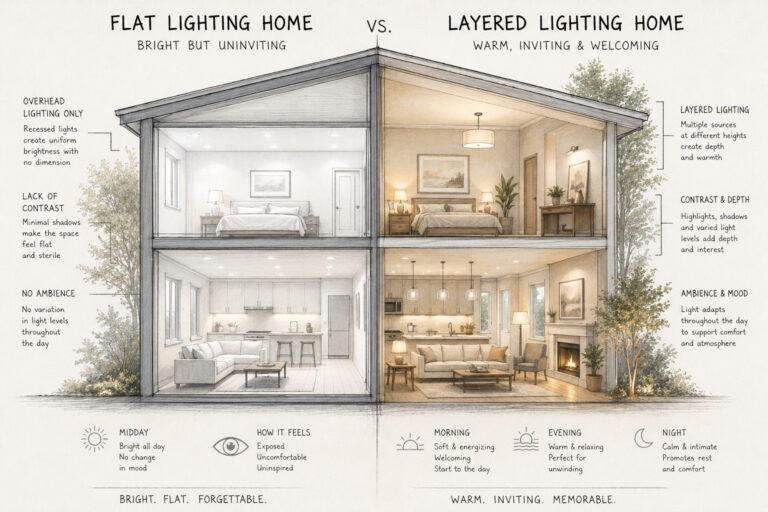
In my experience, achieving that coveted hygge feeling starts with understanding light layering. I recently transformed a client’s stark living room into a hygge haven by combining three key elements: a large paper pendant lamp casting soft, diffused overhead light, wooden table lamps with textured shades for mid-level warmth, and carefully placed candle sconces for that essential flickering glow that the Danes love so much.
Natural materials play a crucial role in hygge lighting design. I’m particularly fond of combining paper lanterns, wooden lamp bases, and frosted glass shades to create a soft, organic feel. My favorite is the use of fairy lights in this design style.
The versatility of hygge lighting comes from its focus on adaptability. I always recommend installing dimmers on every fixture – this allows you to transition from bright and energizing morning light to soft, cozy evening ambiance.
A recent kitchen renovation perfectly demonstrated this principle: under-cabinet LEDs provide task lighting for cooking, while dimmable pendant lights over the dining area can be adjusted to create the perfect atmosphere for everything from breakfast to late-night conversations.
Industrial Chic: Raw and Edgy Lighting Designs
Nothing quite captures the raw energy of industrial chic lighting like the project that changed my entire perspective on lighting for different aesthetics – converting an old warehouse into a modern living space.
The exposed brick walls and steel beams practically begged for lighting that would honor the building’s heritage while adding modern functionality.
Industrial lighting is all about celebrating the beauty in utility. Exposed bulbs, particularly Edison-style bulbs, have become a signature element of this style.
In that warehouse conversion, we created a stunning dining room feature using a cluster of cage lights with varying cord lengths, each showcasing a different vintage-style bulb. The key was mixing different metal finishes – some copper, some brass, some with a weathered patina – to create an authentic industrial feel.
One of my favorite aspects of industrial design is the opportunity to repurpose salvaged materials. I once transformed old plumbing pipes into a striking wall-mounted lighting system for a client’s home office.
The raw metal pipes, combined with exposed conduit and Edison bulbs, created a functional piece of art that told a story. This approach not only looks authentic but also adds a sustainable element to your lighting design.
The trick with industrial chic is balancing that raw edge with warmth. I learned this lesson after creating a space that felt too cold and institutional. Learning the lighting for different aesthetics can be trial and error.
Now, I always incorporate warm-toned bulbs and strategic dimming capabilities. In a recent kitchen renovation, we paired harsh metal pendant lights with warm LED strips under the cabinets, creating the perfect balance of industrial aesthetic and comfortable functionality.
Mid-Century Modern: Retro Glam Illumination
My obsession with mid-century modern lighting began when I inherited my grandmother’s Sputnik chandelier. That iconic piece, with its starburst design and geometric brilliance, taught me that lighting fixtures can be both functional tools and sculptural art pieces.
The beauty of mid-century modern lighting lies in its ability to bridge past and present. In a recent project, we paired an original George Nelson bubble lamp with contemporary LED track lighting.
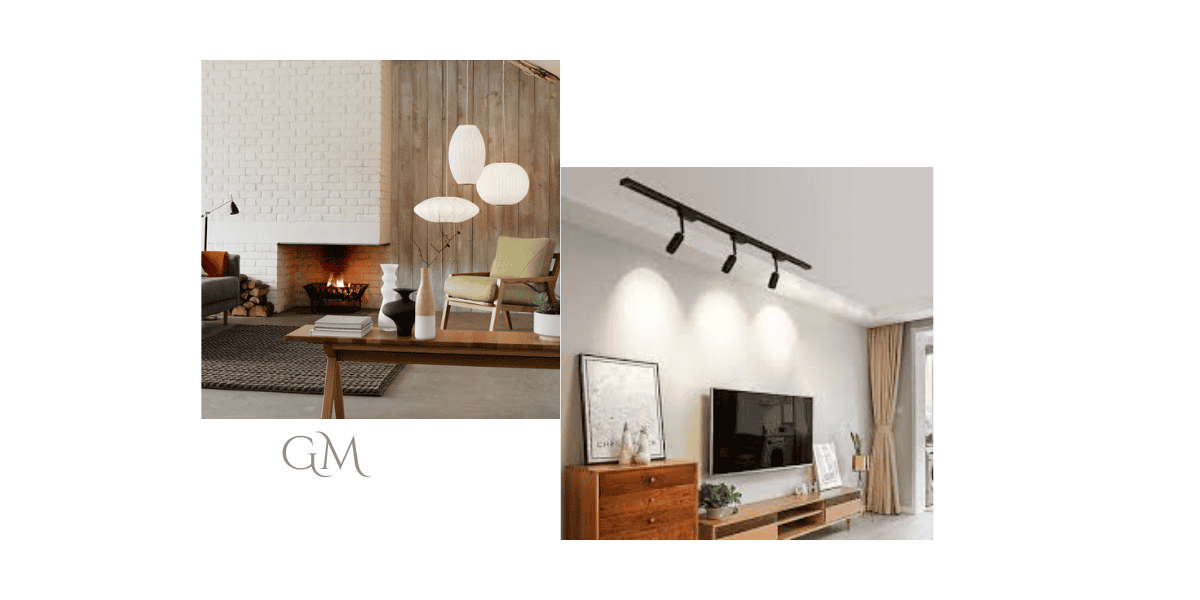
The combination honored the classic mid-century aesthetic while meeting modern lighting needs. The key was finding complementary geometric shapes – the soft curves of the bubble lamp playing against the clean lines of the track system.
Colour plays a crucial role in mid-century lighting design. I’ve found success in echoing the era’s signature palette – think warm brass, deep walnut, and pops of vibrant color – through both the fixtures themselves and the light they cast.
One of my favorite installations featured a series of colored glass pendants that cast subtle tints of amber and sage green, perfectly complementing the room’s mid-century furniture.
When mixing vintage and contemporary pieces and lighting for different aethetics, proportion becomes your best friend. I follow what I call the “60-30-10 rule”: 60% contemporary lighting for functionality, 30% authentic mid-century pieces for character, and 10% unexpected elements that tie everything together.
This approach recently helped me create a stunning living room where modern recessed lighting provided the base layer, a vintage sunburst chandelier served as the focal point, and small, contemporary table lamps in mid-century style completed the look.
Bohemian Eclectic: Whimsical and Worldly Lighting
My journey into bohemian eclectic lighting began during a year-long sabbatical traveling through Morocco, India, and Turkey. Each country taught me that lighting isn’t just about illumination – it’s about telling stories and creating magic.
This perspective completely transformed how I approach eclectic lighting design for that matter any lighting for different aesthetics.
The beauty of bohemian lighting lies in its fearless mixing of cultural influences. In my own home, a massive Moroccan lantern casts intricate shadows alongside a macramé pendant lamp and colorful Turkish glass fixtures.
The key to making this work? Layering. I always tell my clients to think of bohemian lighting as creating a visual journey – each piece should draw the eye to another interesting element in the space.
Texture plays a crucial role when lighting for different aesthetics and in bohemian lighting design. I recently completed a project where we combined a range of materials: perforated metal lanterns, woven rattan pendants, and beaded crystal sconces.
The secret to preventing chaos is maintaining a loose color story. In this case, we stuck to warm metallics and jewel tones, allowing the different textures to shine without overwhelming the space.
One of my favorite bohemian lighting tricks involves transforming ordinary fixtures with textiles. I once rescued a plain pendant light by draping it with a vintage silk scarf – instant bohemian charm!
These kinds of personal touches are what make bohemian lighting so special. Remember, in this style, perfection isn’t the goal – personality is.
Coastal and Nautical: Breezy, Light-Filled Spaces
After designing lighting for countless beach houses along the Pacific coast, I’ve learned that coastal lighting is about more than just rope-wrapped fixtures and blue glass (though those certainly have their place!).
The real art lies in recreating that magical quality of oceanside light indoors.
The secret to authentic coastal lighting starts with understanding natural seaside light patterns. In a recent beach house renovation, we installed smart LED systems that gradually shift color temperature throughout the day, mimicking the progression of coastal sunlight.
The clients said it made them feel like they were permanently on vacation!
Materials matter enormously in coastal design. I love mixing clear glass fixtures that evoke sea-smoothed beach glass with natural rope elements and weathered metals.
One of my most successful projects featured oversized glass globe pendants suspended from thick manila rope – simple but stunning. The key is choosing materials that can withstand salty air while maintaining that breezy coastal vibe.
Balance is crucial in coastal lighting design. Too many marine-themed fixtures can quickly veer into theme-park territory.
Instead, I focus on creating an airy, open feel through strategic fixture placement. Wall sconces at eye level can mimic the horizon line, while overhead fixtures with clear glass allow light to flow freely through the space.
Maximalist Glamour: Bold and Dramatic Illumination
If minimalism is a whisper, maximalism is a joyful shout – and nobody taught me this better than my client Maria, who famously declared, “If it’s not making a statement, it’s not making sense!” Her fearless approach to lighting design changed how I view maximalist spaces forever.
In maximalist lighting, more is more – but it has to be thoughtful more. I approach these spaces by creating lighting “zones,” each with its own dramatic moment.
In a recent project, we combined a massive crystal chandelier, art deco wall sconces, and modernist table lamps, all in gold tones. The secret to making it work? Every piece was chosen to complement, not compete.
Pattern mixing in maximalist lighting requires confidence and planning. I use what I call the “pattern pyramid” approach: one dominant pattern (usually in the main light fixture), two secondary patterns in supporting pieces, and three smaller pattern moments in accent lighting.
This creates a rich, layered look without descending into chaos. Stretching the lighting for different aesthetics to is limits.
The key to successful maximalist lighting is maintaining functionality amid the drama. In a recent dining room design, we installed a show-stopping chandelier with dozens of colorful glass pendants, but also included discrete LED spots to ensure proper task lighting.
After all, even the most dramatic space needs to be livable!
Biophilic Design: Bringing Nature’s Light Indoors
My fascination with biophilic lighting began during a project where the challenge was to make a basement apartment feel as naturally lit as a greenhouse.
This experience taught me that biophilic lighting isn’t just about brightening spaces – it’s about recreating the rhythms and patterns of natural light indoors.
The game-changer in biophilic lighting has been the advent of smart lighting systems that can mimic natural light patterns.
I recently installed a system that gradually shifts from cool morning light to warm evening tones, following the sun’s natural progression.
The homeowner reported better sleep and more energy – proof that our bodies respond to these natural light rhythms, even when artificially created.
Organic shapes and materials are essential in biophilic lighting design. I love incorporating fixtures that echo natural forms – pendant lights that resemble dewdrops, branching chandeliers that cast tree-like shadows, or wall sconces made from real wood and stone.
One of my favorite installations featured a series of hand-blown glass pendants in irregular shapes, suspended at different heights to create the effect of rainfall.
Lighting for different aesthetics using Plant-friendly lighting is another crucial aspect of biophilic design.
I’ve developed what I call the “greenhouse strategy” – combining full-spectrum LED grow lights with decorative fixtures to create spaces that work for both plants and people.
In a recent sunroom project, we concealed grow lights within beautiful wooden beams, allowing the client’s rare tropical plants to thrive while maintaining the room’s aesthetic appeal.
The magic of biophilic lighting lies in its ability to create dynamic light and shadow play. I often design lighting schemes that change throughout the day, creating the dappled effect of sunlight through leaves or the gentle movement of natural light.
This can be achieved through carefully placed adjustable fixtures and programmable systems that shift the direction and intensity of light throughout the day.
Conclusion
As we’ve illuminated using lighting for different aesthetics throughout this journey, lighting is truly the unsung hero of interior design, capable of transforming any space to match your unique aesthetic.
Each style we’ve explored – from the serene simplicity of minimalism to the bold drama of maximalism, and everything in between – offers its own unique way of bringing spaces to life through light.
Remember, the best lighting design is one that not only looks good but also makes you feel good. Whether you’re drawn to the cozy warmth of hygge, the industrial edge of exposed bulbs, or the natural rhythms of biophilic design, your lighting choices should reflect your personality and enhance your daily life.
Start your lighting transformation by identifying which style resonates most with you, then begin experimenting. Don’t be afraid to mix elements from different aesthetics – some of the most beautiful lighting designs I’ve created came from unexpected combinations.
Take time to observe how light plays in your space throughout the day, and consider how different fixtures might enhance those natural patterns.
After all, in the grand theater of home design, you’re not just the set designer – you’re the lighting director too. Now, it’s time to step into the spotlight and let your aesthetic shine!
Want to learn more about creating the perfect lighting design for your home? Subscribe to our newsletter for monthly tips, trends, and inspiration delivered straight to your inbox!