Natural Light vs Artificial Light : Finding the Right Balance in 2024

Let there be light! But wait – what kind of light are we talking about? Did you know that the average person spends about 90% of their time indoors, often under artificial lighting? Yet, our bodies crave natural sunlight like plants crave water.
Welcome to the illuminating world of natural light vs artificial light, where we’ll shed some, well, light on this bright topic! Whether you’re a sun worshipper or a fan of mood lighting, understanding the dance between natural and artificial light is key to creating spaces that are not just well-lit, but well-lived.
Understanding Natural Light: The Sun’s Gift to Us
– The spectrum of natural light and its variations are measured by the Colour Rendering Index CRI with 100 being natural sunlight.
– Health benefits of natural light exposure are well known that vitamin D is vital to our natural body rhythm.
– How natural light changes throughout the day and seasons is what regulates our body’s Circadian Rhythm, which can also affect our moods and motivation levels.
Artificial Light: Human Innovation in Illumination
– Types of artificial light sources (LED, fluorescent, incandescent, etc.) have come a long way in the last ten years. And are getting much better at mimicking natural light.
– The evolution of artificial lighting technology can now mimic the dawn to dusk of natural light with products that can dim and brighten at the touch of a button or a pre-set smart product.
– Colour temperature and its impact on perception and mood have been researched much more in the last few years and the correlation to moods and depression has found that by varying the colour temperature you can alleviate the effect of depression on the mind.
The Great Debate: Natural Light vs Artificial Light
– Pros and cons of natural light: Of course natural is the best but we can’t always have it inside our homes and work places. So we rely on artificial lighting in those instances.
• Energy efficiency and cost savings the energy efficiency of the LED lighting is second to none.
• Psychological and physiological benefits of using light temperature to regulate our circadian rhythm have been proven to be beneficial to patients.
• Limitations (weather dependency, inconsistency) do determine the need for artificial lighting to be more productive in our days. Take for example the far northern hemisphere, in winter only has a few hours of daylight that if we did not have access to artificial light would make our work day very short.
– Pros and cons of artificial light: Pros: Availability, effectiveness, variation of products. Cons: Initial price, some products can be costly to run, needs to be connected to a power source.
• Control and consistency is at the touch of a switch or an app on your phone or voice control.
• Availability 24/7
Health Impacts: How Natural Light vs Artificial Light Sources Affect Us
– Natural light and vitamin D production have been consistently proven to be vital to good health
– Artificial light and eye strain can be caused by the blue light component of LED lighting
– The role of light in regulating sleep-wake cycles is the regulation of your circadian rhythm by utilizing the dawn-to-dusk rhythm of natural light mimicked in artificial light.
– Light therapy for seasonal affective disorder (SAD) can be extremely effective and easily included in your home lighting
Productivity and Performance: Lighting in the Workplace
– Natural light’s effect on employee satisfaction and productivity has always proven to be positive. It is the reason all the high rise offices have such large windows.
– Optimal artificial lighting for different work tasks is necessary when doing piece work or drawings anything that requires fine detail does need extra focused lighting
– Balancing natural and artificial light in office spaces is to balance the natural lighting with artificial lighting where the natural does not meet the purpose, and have the artificial light available when the natural light starts to fade and change.
Lighting in Architecture: Designing with Light in Mind
– Daylighting techniques in modern architecture is about productively maximising the natural light. Placing windows in the most optimized places to garner the natural light positively
– Integrating natural and artificial light in building design requires being aware of the orientation for how the natural light will affect the project.
– Also providing a means to control the natural light with blinds, curtains and awnings
The Energy Equation: Comparing Natural Light vs Artificial Light
– Energy efficiency of natural vs. artificial light obviously you don’t pay for natural light so that has the optimal energy efficiency
– The environmental impact of different lighting options is dependant on what is the primary use of the lighting
– Smart technologies for optimizing light usage can be a way to make sure the lighting is only on when needed with timers and programming
Creating the Perfect Balance of Natural Lighting vs Artificial Lighting: Tips and Tricks
– Maximizing natural light in your home: is achieved by making sure your windows are either north facing (if in the southern hemisphere) or south facing (if in the northern hemisphere).
• Strategic mirror placement can be useful in throwing any natural light around a space effectively along with making any space feel bigger
• Light-coloured walls and reflective surfaces will optimise light reflection
• Window treatment options need to be adjustable so you can control the natural light vs artificial light effectively
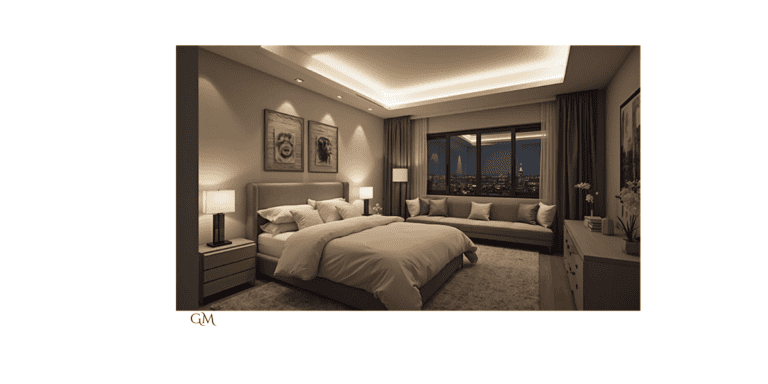
– Complementing natural light with artificial sources: is all about light placement and not trying to mimic the natural light but complement it.
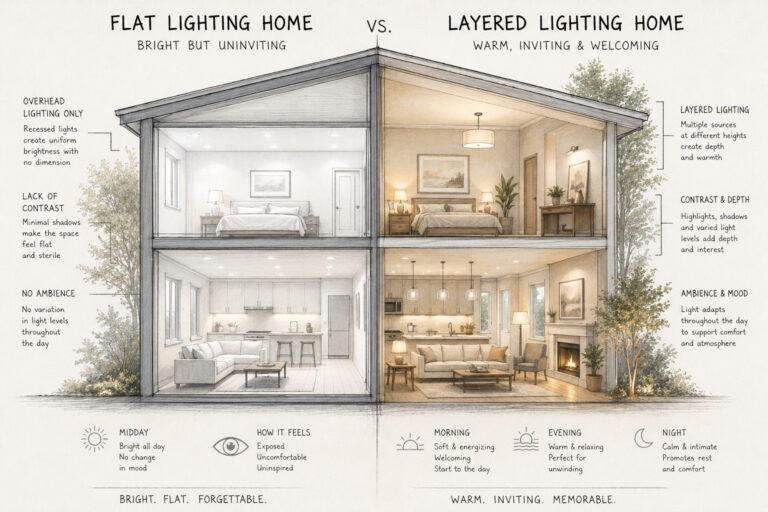
• Layered lighting techniques come into play when complementing natural light with artificial light
• Smart bulbs and automated systems can be used to optimise the artificial light automatically
• Task lighting solutions must always be a primary consideration and should work well with the other lighting. Best achieved with control system either smart or dimmers.
Light and Aesthetics: Setting the Right Mood
– Using natural light for photography and art can be a game changer but not to use to display your photography or art as the uv rays will fade the photographs or art.
– Creating ambiance with artificial lighting can easily be created with a good lighting plan
– Blending light sources for interior design actually just takes practice and a knowledge of what different products will do. Natural light vs artificial light is actually a blending of the two to maximise efficiency and design.
The Future of Lighting: Innovations on the Horizon
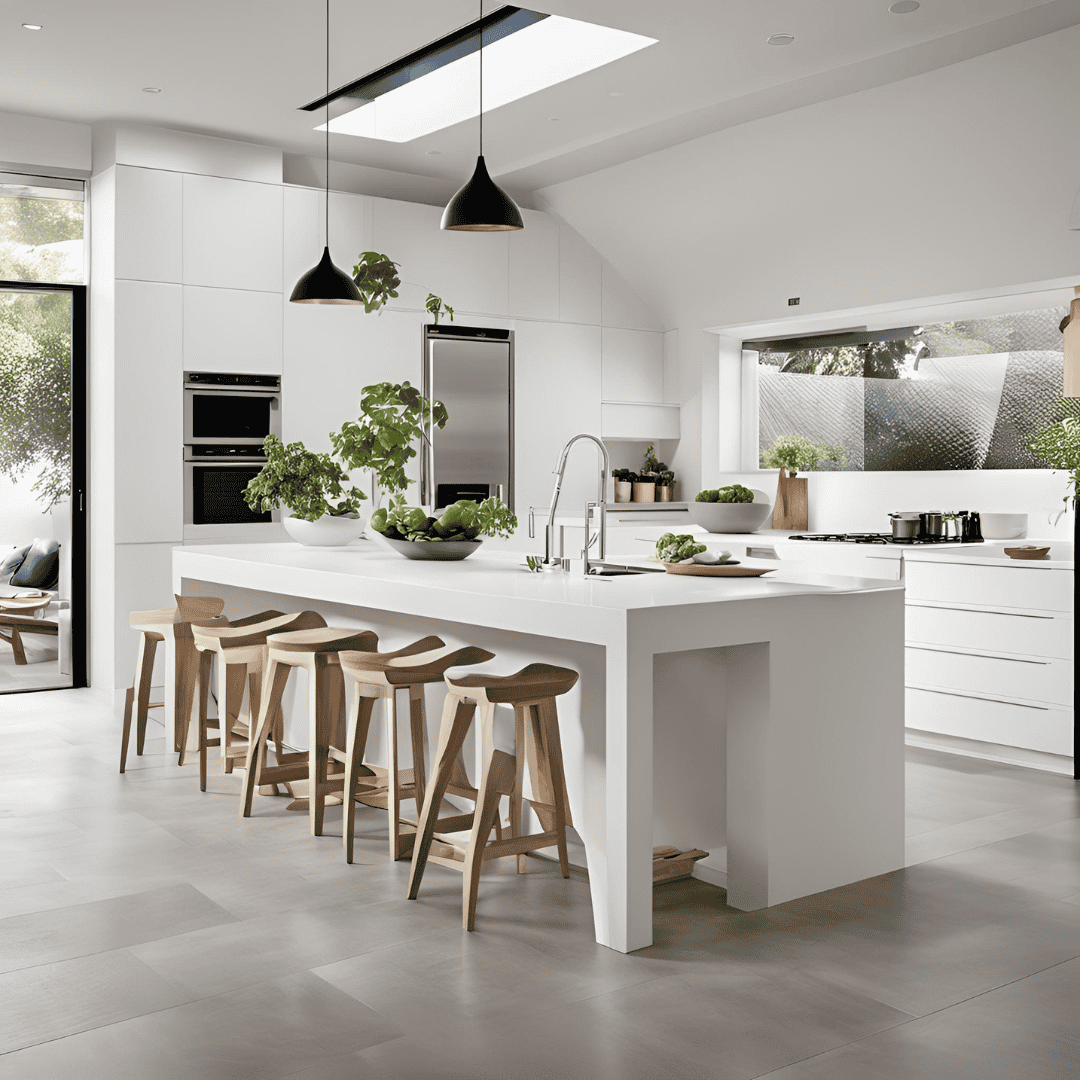
– Advancements in natural light-harvesting technologies can be skylights look at the popularity of Velux these days the make an impressive statement in any ceiling.
– Biodynamic lighting systems mimicking natural light patterns this is where smart lighting comes in to play.
– Sustainable and eco-friendly artificial lighting solutions are led by LED for its efficiency
Practical Considerations: When to Choose Natural Lighting vs Artificial Lighting
– Scenarios best suited for natural light include right facing windows and big windows too
– Situations where artificial light shines in dark pokey spaces where the artificial lighting can make all the difference
– Hybrid solutions for optimal lighting in various settings is where you can easily switch from natural to artificial seamlessly.
Overcoming Challenges: Troubleshooting Light Issues
– Dealing with excessive glare from natural light vs artificial light Glare is all about positioning blinds, sheers or shutters on windows and recessed lighting for the artificial.
– Combating the negative effects of artificial light choose the recessed so that you minimise the glare
– Adapting lighting for different times of day and activities is to be aware of the circadian rhythm and how to use it to regulate your lighting.
And there you have it, Natural light vs Artificial light and how use them to work together to illuminate your home efficiently. We’ve journeyed through the radiant realm of natural light vs artificial light, uncovering the bright spots and shadowy corners of each.
From sun-soaked spaces to cosy, lamp-lit nooks, we’ve seen that the key to great lighting is not choosing one over the other, but finding that Goldilocks zone where both natural and artificial light play nicely together.
Remember, the perfect balance is as unique as you are – it’s about creating spaces that not only look good but feel good and do good for your health and wallet. So go ahead, throw open those curtains, adjust those dimmer switches, and bask in the glow of your newly enlightened abode.
Who knows? With your new lighting know-how, you might just become the envy of the neighborhood – the house that literally outshines the rest!