
Energy Efficient Light Bulbs : LED vs. CFL vs. Incandescent (2024 Comparison)

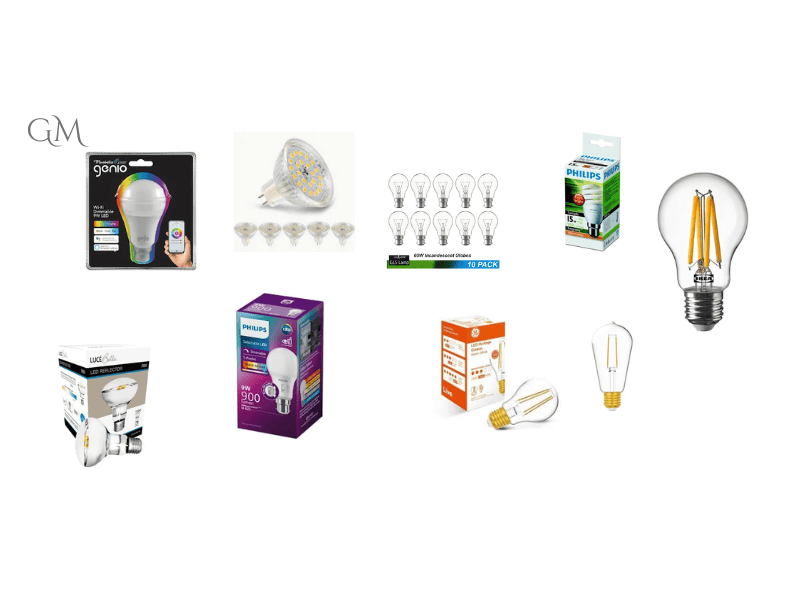
Lights on, wallet happy! Did you know that switching to energy efficient light bulbs can slash your lighting energy consumption by up to 75%? That’s right, folks – we’re talking some serious savings here!
But with so many options out there, how do you choose the right bulb for your home? Fear not, dear reader! We’re about to embark on an illuminating journey through the world of energy efficient light bulbs. We’ll pit LED against CFL, and throw in the old incandescent for good measure.
By the end of this guide, you’ll be a bonafide bulb boss, ready to make enlightened choices that’ll have both your wallet and Mother Earth doing a happy dance.
So, let’s flip the switch and shine a light on the bright future of energy efficient light bulbs!
The Bright Basics: Understanding Energy Efficient Light Bulbs
– The Definition of energy efficiency in lighting is how many Lumens you get for the wattage(Power usage), and how long will it last.
– Key factors: lumens, watts, and lifespan
– The importance of energy-efficient lighting for sustainability has may factors to it including how bright(lumens) for how much power (watts) and how long it will last (# of hours)
LED Lights: The Bright New Kid on the Block
– How LED technology works is with computer chips called Light Emitting Diodes. When the power gets to the diodes it emits light. This is a solid state technology.
– Pros of LED bulbs:
• Long lifespan (up to 25,000 hours): their durability is much more than previous light bulbs.
• High energy efficiency: the amount of light (lumens) per watt is much greater than before.
• Instant-on capability: unlike CFL’s LED’s are instantly on, there is no warming up of the bulb.
• Directional light emission: LED’s have a direct beam of light of 180deg by default from the Diodes.
– Cons of LED bulbs:
• Higher upfront cost: their initial cost is most than the other types of bulbs.
• Potential issues with dimming older models: not all LED’s were dimmable at first and had a lot of flickering issues.
– Best applications for LED lights:
By far the best application for LED’s has been in the recessed downlights. Their efficiency and reduced heat emissions makes them perfect for all over ambient lighting in any home.
CFL Bulbs: The Twisted Tale of Efficiency
– The science behind compact fluorescent lamps
In a CFL, an electric current is driven through a tube containing argon and a small amount of mercury vapor. This generates invisible ultraviolet light that excites a fluorescent coating (called phosphor) on the inside of the tube, which then emits visible light.
– Advantages of CFL bulbs:
• Energy savings compared to incandescent: Fluorescent technology has been around for more than 100 years and it generally represents a high efficiency way to provide lighting over a vast area. The lights are much more efficient as well as longer lasting than incandescent bulbs, however, they fail in both categories when compared to LED
• Variety of colour temperatures available: you could get them in Cool white or Warm white.
• Affordability Much cheaper initially than LED’s
– Disadvantages of CFL bulbs:
• Contains small amounts of mercury: which makes them dangerous if broken or to dispose of.
• Warm-up time before full brightness: the process of creating the mercury gas means they take time to warm up to full potential of lighting.
• Sensitivity to frequent on-off cycling: frequent turning on and off shortens their lifespan considerably
Incandescent Bulbs : The Nostalgic Energy Guzzler
– How traditional incandescent bulbs work
An incandescent bulb works on the principle of incandescence, a general term meaning light produced by heat. In an incandescent type of bulb, an electric current is passed through a thin metal filament, heating the filament until it glows and produces light
– Why incandescent bulbs are being phased out:
Due to its inefficiency, incandescent bulbs will be obsolete in no time. The government bans these traditional bulbs while promoting the use of modern and energy-saving kinds of bulbs. Moreover, most people now favour the use of other types of bulbs, such as LEDs and CFLs, which supports energy efficiency.
In Australia for the most part they are already banned in retail we do not sell incandescent bulbs anymore.
The Great Bulb Showdown: LED vs. CFL vs. Incandescent
– Energy efficiency comparison
Incandescent release 90% of their energy as heat, CFL releases about 70% of their energy as heat whereas LED’s only emit 20% of their energy as heat making them the most energy efficient at producing light from energy.
– Cost analysis: upfront vs. long-term savings.
If a LED costs 3 times as much of a CFL, but lasts 4 times more, that puts the LED more cost efficient.
When a LED costs 10 times more than an incandescent but lasts 25 times more and uses 10 times less energy. the benefits far outweigh the cost of the LED.
– Environmental impact of each type
Incandescent: Once they break, the mercury inside the bulb will be released into the atmosphere and storm water runoff, which totals 4 tons annually. Still, more mercury is released through the fossil fuels burned to provide electricity to light inefficient incandescent bulbs
CFL: Standard CFLs contain approximately 4 milligrams of mercury inside the tube. When the 2.4 milligrams of mercury emissions from the coal power plant is added, the total environmental impact of a CFL is 6.4 milligrams of mercury.
LED: Lower carbon emissions: LED lights’ energy efficiency reduces the electricity required to produce light, resulting in decreased carbon dioxide (CO²) emissions from power plants. It is crucial in combatting climate change and promoting a more sustainable energy landscape
– Light quality and colour rendering capabilities
There is some debate as to which of the light sources is the best. The lighting council has introduced the Colour Rendering Index (CRI).
This is a scientific measurement of the closest to natural sunlight that a particular light source achieves. 100% is natural sunlight.
And now all light sources, whether LED, CFL Incandescent or Halogen, must have the CRI on the box or product.
– Durability and lifespan face-off
This is a no contest as LED’s by far have the longest life span.
Choosing the Right Bulb for Different Spaces
– Living room and bedroom lighting solutions
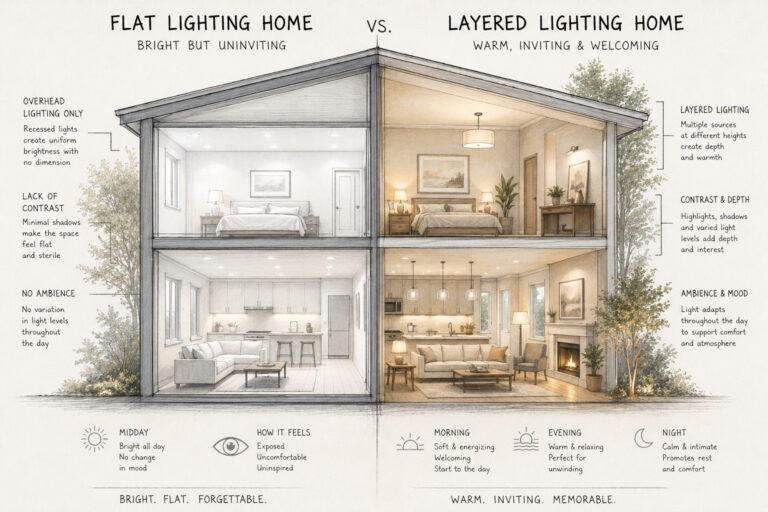
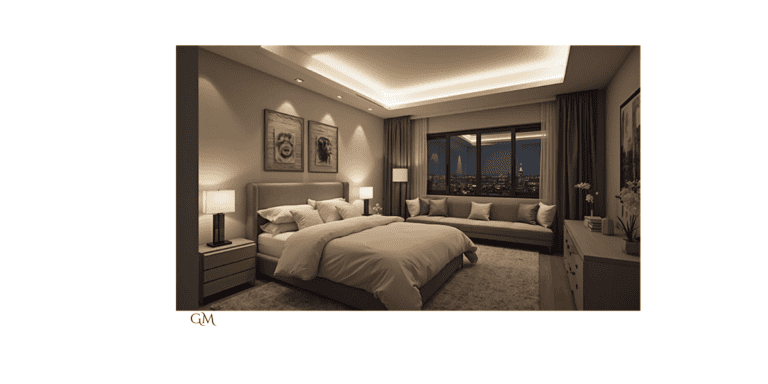
It is recommended to use warm white energy efficient light bulbs in bedrooms as it is conducive to relaxing.
– Kitchen and bathroom bright ideas
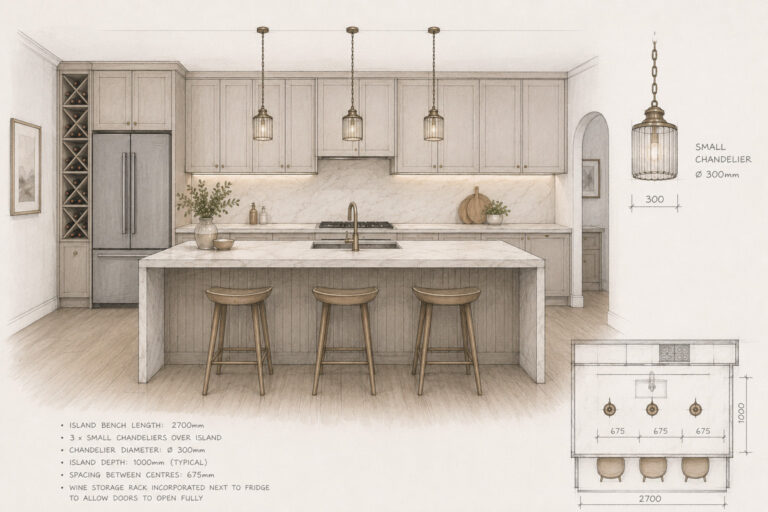
Kitchens are a task area where we would recommend to use cool white energy efficient light bulbs. But in today’s market many kitchens are part of an open plan area where you may have warm lighting too.
I usually get around this by making the ambient(downlights) cool white for when working in the kitchen but make the pendants or over work bench lighting warm white but with the capacity to dim for more subtle lighting in the evenings.
For bathrooms, it really depends on your colour pallet as bright cool white energy efficient light bulbs can be quite harsh in an all tiled space. I personally prefer warm white in bathrooms. But it is personal choice too.
– Outdoor lighting efficiency
Most people make a mistake with their outdoor lighting. Thinking they need to create the same amount of light you do in an internal room. Not so!
We measure light in Lumens and those very bright moonlit nights where it almost feels like daylight only measure at 40 lumens. so putting 4 x 700 lumen downlights in a 4m x 4m area without a dimmer can be overkill.
Outdoor lighting efficiency requires you to really think about how you will use the space and how you want it to feel. A couple of wall lights may just give you all the light you want.
– Office and workspace illumination tips
Obviously you want the brightest energy efficient light bulbs for these spaces. I think the most important issue with offices and workspaces will be placement.
With the average person now doing most of their work on computers for these workspaces you don’t want reflection on your screens either.
But if you are using your workspace/office for drawing or written work or anything that you will need good lighting for adding downlights that can be turned up or down will greatly enhance the space.
Smart Lighting: The Future of Energy Efficiency
– Introduction to smart bulbs and their benefits
Energy efficient light bulbs that are smart need their own post see here for more information.
– Energy-saving features of smart lighting systems
It goes without saying that the ability to regulate and schedule your energy efficient light bulbs brings energy efficiency to another level.
– Integration with home automation for optimal efficiency
When you integrate your energy efficient light bulbs whether smart or standard into home automation you then are able to control power usage and home ambience at the touch of your fingers. Which in turn increases your energy efficiency.
Debunking Common Myths About Energy-Efficient Bulbs
The most common myth is the cost. 5 years ago yes the cost of the most energy efficient light bulbs LED’s were expensive. But now 5 years on the costs have dramatically reduced, making them much more affordable to everyone.
And there you have it, illumination aficionados! We’ve shed light on the glowing world of energy efficient light bulbs, from the long-lasting brilliance of LEDs to the curly efficiency of CFLs, and even the warm (but wasteful) glow of our old pal, the incandescent.
Armed with this knowledge, you’re now ready to make bright choices that’ll keep your home lit and your energy bills low. Remember, every bulb you switch is a step towards a more sustainable future – and a fatter wallet! So go forth, light up your life with efficiency, and bask in the warm glow of knowing you’re doing your part for the planet.
Who knew saving energy could be so illuminating? Now, if you’ll excuse me, I’m off to count my light bulb savings – and maybe treat myself to a sundae with all that extra cash!

Hi, just wanted to mention, I liked this blog post.
It was funny. Keep on posting!
When I initially commented I clicked the “Notify me when new comments are added” checkbox and now each time a comment is added I get four emails with
the same comment. Is there any way you can remove me from that service?
Thank you!
Hi I am sorry to hear that but if you have ticked that you want to be notified i am pretty sure that you will have to uncheck that as it would be a feature you have instigated and i cannot see anywhere that i can uncheck you sorry.
Hurrah! At last I got a weblog from where I can truly obtain helpful data concerning my study
and knowledge.