Optimizing Residential Art Display Lighting: A Guide to Perfect Lighting Choices


Lighting for Art Display in Residential Lighting Design
Introduction
For this post, let’s look at Art Display Lighting, as proper lighting is crucial in art display, especially within residential settings. It plays a key role in elevating the aesthetic and emotional appreciation of artwork, be it paintings, photos, sketches, or that pricey piece you have acquired for your home. which can transform spaces into vibrant galleries.
By understanding and applying the right lighting techniques, homeowners can significantly enhance the appeal and value of their art collections.
You also don’t want to spend good money on the perfect piece of art for your home; when you have it installed and it looks awful. Art Display Lighting is easy when you know the rules.
Understanding Art Display Lighting
Art display lighting needs to be tailored to highlight the unique features of artwork, elevating it beyond regular illumination.
Unlike general lighting, which is designed for overall room brightness, art-specific lighting focuses on color accuracy, detail enhancement, and mood creation. This specialized lighting can turn any room into an art lover’s haven.
Key Considerations for Lighting Art in Homes
When lighting art, color temperature is critical as it affects how colors appear to the human eye.
A warm temperature can add coziness, whereas cooler tones can create a striking effect.
The Color Rendering Index (CRI) is equally important as it measures the ability of light to reveal the true colors of the artwork.
Additionally, the direction and angle of light can dramatically impact the visibility and depth perception of art pieces, making them come alive.
All these aspects can either enhance or detract from your perfect Art piece.
Types of Lighting for Art Display
Spotlights
Spotlights offer versatility and are highly adjustable, making them suitable for different artworks. They can focus directly on a piece, emphasizing its most intricate details. It is also the most flexible, allowing you to move artwork around and move the lighting to suit.
Track Lighting
Track lighting provides flexibility, ideal for spaces where the art display changes regularly. It allows for easy adjustment of individual lights to accommodate new art arrangements.
Recessed Lighting
For a seamless and minimalist approach, recessed lighting integrates well into ceilings without protrusions, offering an unobtrusive light source. There are many products on the market that can create wall washes of light to use for your Art display Lighting.
Picture Lights
Classic in style, picture lights deliver direct focus on specific art pieces, ensuring they capture attention and admiration. This is probably the most popular way for home Art Display Lighting, especially on a small scale.
Selecting the Right Fixtures
Choosing the right fixtures involves considering room size and the positioning of the artwork. Energy efficiency is also a significant factor, with LED bulbs being more favorable over halogen due to lower heat emission and longevity.
Safety is paramount, especially for heat-sensitive artworks, which require careful selection of low-heat-producing fixtures. There is also the UV consideration and protection of artwork.
Different types of artwork, some of which are textured, or it could even be a sculpture. Whatever it is, understanding the flow of light that can be used for each type of fixture can make or break the finished effect.
Techniques for Effective Art Lighting
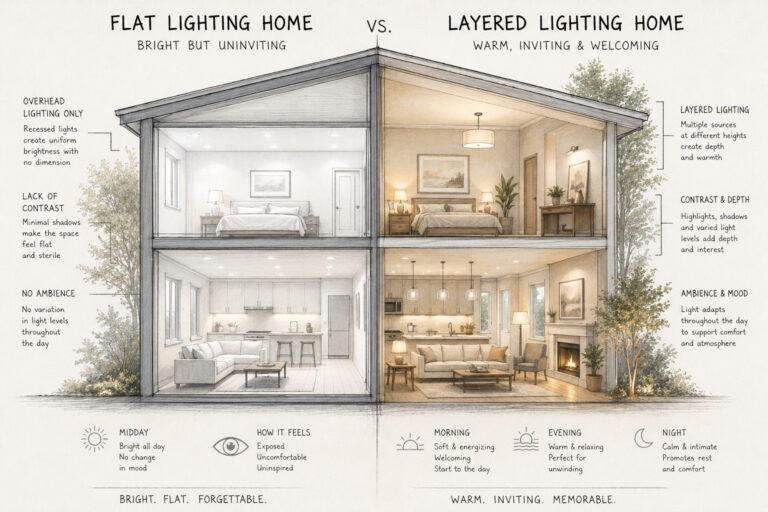
A layered lighting approach can be very effective in enhancing your artwork. Don’t be afraid to look up or visit galleries to get ideas.
Strategic light placement can highlight the texture and vibrancy of an artwork, adding depth and drama to its presentation. Art Display Lighting can be a fun exercise and experiment by trying out different angles using torches, candles, and lamps to figure out the best light placement to enhance your pieces.
Common Mistakes to Avoid
Over-lighting or under-lighting are common pitfalls that can detract from artwork visibility and ambiance.
It’s also crucial to consider shadows and glare that can obscure or alter the appearance of the art.
Take for instance, if you think about some gallery and museum displays, there is a black backdrop with curated lighting highlighting the pieces.
Very effective way to use shadows to illuminate the art.
Furthermore, mismatching lighting styles with existing home decor can lead to a disjointed aesthetic, reducing the impact of the artwork.
Case Studies and Examples
Examining real-world examples can provide valuable insights into successful art lighting. Before-and-after comparisons illustrate how thoughtful lighting transforms a space and elevates an artwork’s impact, inspiring homeowners.
Tips for DIY Lighting Installation
For those willing to embark on DIY projects, a step-by-step guide can simplify the installation process. For this option, the Amazon battery-operated picture lights make it easy to achieve Art Display Lighting in any space.
Ensuring access to the right tools and resources is essential for a safe and successful installation, allowing homeowners to personalize their art lighting solutions effectively.
Conclusion
Well-executed art lighting can dramatically enhance the appeal and value of residential spaces, emphasizing the beauty of each piece.
Homeowners are encouraged to experiment with lighting setups, tailoring each to their personal tastes and home decor, making art appreciation a more immersive experience.
I do believe that every home should have at least one wall in their home for either artwork or photos. Making your space feel like yours can be done, whether you own or rent, where you live, it is your home, and Art Display Lighting will perfect the look and feel. Enjoy!