Do I Need a Lighting Designer in 2025?


Have you ever walked into a room and felt immediately at ease, or conversely, slightly on edge without knowing exactly why? Chances are, lighting played a crucial role in shaping your experience!
According to the American Lighting Association and the Illuminating Engineer Society, proper lighting design can increase property values by up to 20% while reducing energy costs by 30-40%. In 2025, as technology advances and sustainability becomes increasingly important.
So the question “why do I need a lighting designer?” is more relevant than ever. Let’s illuminate the compelling reasons why professional lighting design isn’t just a luxury—it’s an essential investment for homes and businesses alike.
What Exactly Does a Lighting Designer Do?
Let me tell you, when I first stumbled into the world of interior design about 20 years ago, I had absolutely no idea how crucial lighting designers would become in my professional network.
I remember walking into a client’s newly renovated living room that looked stunning during our daytime consultations, only to return for an evening reveal and find the space looking flat and uninspiring.
A lighting designer is so much more than someone who picks out pretty fixtures (though they definitely do that too). These professionals are part artist, part technician, and part psychologist.
We understand how light affects everything from our mood to our productivity, and they know exactly how to manipulate it to transform spaces.
As a Lighting Designer I’m always amazed at how we can balance the technical and creative aspects of our job. We calculate lumens and watts while simultaneously considering how light will interact with textures and colors in a space. It’s seriously fascinating and I love it.
One thing that separates us lighting designers from regular interior designers or electricians is our specialized knowledge.
Most professional lighting designers have specific education in the field and hold certifications like the Certified Lighting Designer (CLD) credential or membership in the International Association of Lighting Designers (IALD) or the IESANZ. Trust me, these credentials matter!
I once hired a “lighting expert” without checking their qualifications, and we ended up with a dining room that felt like an interrogation chamber.
The technical side of what lighting designers do is fascinating. They’re fluent in the language of photometrics (the measurement of light), color rendering, beam spread, and energy consumption. When my commercial clients talk about LEDs versus fluorescents or halogen options, I can explain the differences in a way that makes sense for their specific situation.
But perhaps what most people don’t know about lighting designers is how they bridge the gap between technical requirements and aesthetic vision. I remember working on a historic building renovation where I had to find a way to preserve the character of the space while meeting modern energy codes.
Lighting designers will also coordinate with architects, electricians, and other contractors to make sure the technical aspects of installation go smoothly.
I can’t count how many headaches I’ve avoided by having the right discussions at the table during construction meetings. I can speak the language of both the creative and technical teams, which is invaluable.
Another crucial aspect of their job is future-proofing your lighting system. A good lighting designer doesn’t just think about how a space looks now, but how it might need to function five or ten years down the road. They’ll design systems that can be adapted as technology changes or as your needs evolve.
If you’re wondering whether you need a lighting designer for your project, consider this: lighting typically accounts for about 10-15% of a building’s energy consumption.
A professional lighting designer can often reduce those costs significantly while actually improving the quality of light in your space.
The investment has paid off every single time, both in terms of client satisfaction and the finished result.
The Science Behind Lighting Design and Why you Need a Lighting Designer
Alright, let’s talk about the science behind lighting design and why it matters. I know—lighting might sound like something that’s all about aesthetics, and sure, it’s a big part of it. But there’s a lot of science going on behind the scenes.
In fact, the more I’ve dived into lighting design, the more I’ve realized how crucial it is to balance the technical side with the creative one. It’s almost like a recipe, where each ingredient needs to be measured just right for the best results.
When I first started learning about lighting design, I thought it was mostly about choosing the prettiest light fixture and placing it in a corner. Easy, right? Wrong. Lighting design, at its core, is a mix of physics and psychology.
Yeah, I know, you probably weren’t expecting physics to come into play. But the way light interacts with materials, surfaces, and even our eyes can make or break a space.
Let’s start with the basics. Light, in its most fundamental form, is energy. It travels in waves, and when it hits a surface, it reflects, refracts, or absorbs—depending on the material.
For instance, if you’ve ever been in a room with shiny surfaces, you’ve probably noticed that the light bounces off things in a way that feels brighter or more intense. This is called reflection. On the flip side, matte finishes absorb light, making the space feel cozier, but also darker.
A lighting designer will understand how these physics principles come into play when choosing light fixtures and materials for your space.
Now, it’s not just about how light interacts with surfaces—it’s also about how it affects us, the people in the space. This is where the psychology of lighting comes in.
Have you ever walked into a dimly lit room and felt instantly relaxed? Or maybe you’ve been in a brightly lit room and felt super energized? That’s no accident. Lighting has a powerful effect on our moods, productivity, and even our health.
There’s this whole thing called “circadian rhythm,” which is basically your body’s internal clock that regulates sleep-wake cycles. Exposure to natural light during the day helps keep this rhythm in sync, while blue light from screens or harsh artificial lighting can mess with it.
A good lighting designer will know how to balance natural light and artificial light to help maintain a healthy environment—especially in spaces like offices or bedrooms where you need to be alert or relaxed at different times.
Let’s not forget about the energy side of things, either. The right lighting can make a huge difference in your energy bills. You’ve probably heard about LED lights being more efficient, but it’s not just about the bulbs themselves.
A lighting designer will consider the entire layout—using dimmers, motion sensors, and automated systems to make sure the right amount of light is being used when it’s needed. I’ve been in places where lights are left on all day, and trust me, it’s a waste. But a lighting designer can help solve that by integrating smart systems that adapt to your needs. It’s like setting it and forgetting it.
So why does all of this science matter? Well, when you get it right, lighting can enhance a space in ways that go beyond looks. It can improve functionality, boost your mood, and even reduce your carbon footprint. It’s why lighting design isn’t just something you can leave to chance. When it’s done thoughtfully and scientifically, lighting becomes the silent architect of the space. It shapes the experience, creates the right environment, and ultimately makes your space feel more alive.
The science of lighting is fascinating, and once you start to understand it, you’ll notice its impact everywhere. Whether you’re designing a cozy living room, an efficient office, or a restaurant that needs to set the mood, the right lighting can change everything. It’s a balance between creativity and science, and when it’s done right, the results speak for themselves
Compelling Reasons to Need a Lighting Designer
Okay, let’s get into why hiring a lighting designer in 2025 is such a game-changer. I get it—lighting might seem like a “set it and forget it” kind of thing, right? But after working on a few projects and seeing the difference a lighting designer makes, trust me, it’s way more important than it seems at first. Here are seven compelling reasons why you need a lighting designer is totally worth it in 2025—and how they can level up your space.
They Make Your Space Look Wow-Worthy
Okay, let’s be real. Lighting can make or break the vibe of a room. You’ve probably walked into a place with perfect lighting and thought, “Wow, this feels amazing.” That’s the work of a lighting designer! They know exactly how to highlight your space’s best features, whether it’s a piece of artwork, an architectural element, or even just the texture of your walls. I learned this the hard way—before I knew about lighting design, I had a room that felt “meh” only a designer can show you how the right lighting could make it pop.
They Help You Avoid Costly Mistakes
Lighting designers are pros at avoiding mistakes. They have the knowledge and skills to plan out your lighting based on the room’s layout and purpose. They’ll save you from wasting money on bad fixtures or lighting that just doesn’t work.
They Save You Time and Effort
Let’s be honest, getting the lighting right is time-consuming. You’ve got to figure out the right fixtures, the perfect placement, and the best bulbs. It’s a lot to juggle! Hiring a lighting designer takes all that stress off your plate. They’ll handle all the research, product selection, and even the installation coordination. That means you get to sit back, relax, and enjoy the process.
They Optimize Your Energy Usage
With the world leaning more toward sustainability, lighting designers are also experts in energy efficiency. They’re not just about making your space look good—they’re also about making sure it works smarter, not harder. They’ll suggest energy-efficient bulbs like LEDs, automate lighting systems that turn off when no one’s around, and recommend dimmers or sensors to help reduce electricity usage. I’ve been amazed at how much I’ve saved on energy bills by switching to energy-efficient lighting solutions.
They’re Experts in Lighting Trends
2025 is bringing some seriously cool lighting trends. Smart home integration, sustainable materials, and customizable light setups are just a few things lighting designers are experts in. They’ll help you stay ahead of the curve by recommending the latest, most innovative lighting solutions that fit your style and needs. Let’s face it it is our job to know these things.
They Improve Your Health and Well-Being
Lighting isn’t just for looks—it’s actually tied to your health and well-being. The right lighting design can boost your mood, help with focus, and even improve your sleep. I didn’t realize how much my lighting was affecting me until I set up a circadian-friendly lighting scheme in my home.
If you’ve ever felt exhausted under harsh fluorescent lights, or had trouble sleeping because your bedroom wasn’t dim enough, a lighting designer can help fix all that. They know how to balance natural and artificial light for optimal health benefits.
They Increase the Value of Your Property
Let’s talk money for a second. Good lighting can add real value to your property. It makes your space feel more inviting, functional, and, quite frankly, more expensive. Potential buyers or renters will be drawn to spaces that have been thoughtfully designed, and lighting plays a huge part in that. A well-lit home is a home that feels more cared for, and as someone who’s been through the process of staging and selling, I can tell you—it makes a huge difference.
So, there you have it—seven solid reasons why you need a lighting designer in 2025 isn’t just a luxury, it’s a smart move. Whether you’re trying to create the perfect atmosphere, save on energy bills, or boost the value of your home, a lighting designer can bring all of that to life.
It’s one of those things that’s totally worth the investment, and once you see the results, you’ll wonder why you didn’t hire one sooner. If you’re ready to elevate your space, lighting designers are your ticket to making it happen!
Common Lighting Design Mistakes DIYers Make
Overlooking the Importance of Layering Light
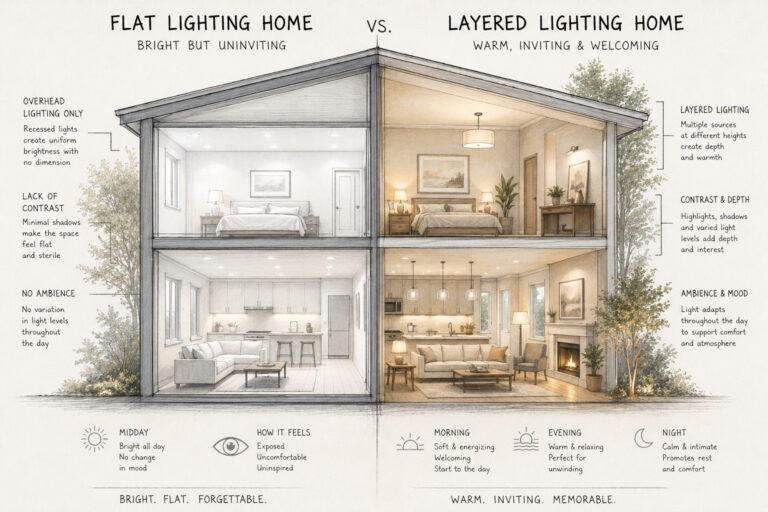
Here’s a huge one that I totally missed when I started out: not understanding the concept of layering light. It’s easy to just add a single overhead light and call it a day, but lighting is so much more than that. The trick to creating a well-lit, functional space is layering—ambient (general), task (focused), and accent (decorative) lighting.
You need a lighting Designer to mix in lamps, sconces, and even under-cabinet lights to create depth and warmth. Trust me, this little tweak makes all the difference!
Choosing the Wrong Light Bulbs
It’s easy to get caught up in the “bigger is better” mentality with wattage, but you’ve got to think about the type of bulb as well. LED, incandescent, halogen—each one gives off a different type of light.
With LED nowadays it is not the wattage that determines the right light for your space. Lumens is the more accurate measurement of how much light a bulb will give you.
Ignoring the Room’s Function
One of the biggest mistakes I see DIYers make is ignoring the function of the room. Not every space needs the same type of lighting.
For instance, a kitchen requires task lighting over countertops and islands for cooking, while a living room might need softer ambient lighting for lounging.
I once installed bright overhead lights in a bedroom, thinking it would “open up” the space, but it just made the room feel cold and uninviting. The lighting was too harsh for a relaxing environment.
Poor Placement of Light Fixtures
Light fixtures should be strategically placed based on the room layout, the activities you’ll be doing there, and the natural light already coming in. Proper placement is key to creating a well-lit, functional space.
Forgetting About Dimmers
There are moments when you need full lighting—like when you’re working or cooking—but there are also times when you want to dim things down for a movie night or a cozy dinner. Without dimmers, you’re stuck with whatever brightness the light is set at, which can be frustrating. So, if you’re not using dimmers, you’re missing out on a level of control that really enhances the atmosphere of any space.
Overdoing It with Overhead Lights
I know, overhead lights seem like the obvious solution, but I’ve learned the hard way that less is more. Too many overhead lights can make a room feel sterile or even give off a harsh, clinical vibe.
Not Considering Light Temperature for Different Spaces
Cool light can make a space feel bright and energetic, perfect for a kitchen or office. Warm light, on the other hand, creates a cozy, inviting atmosphere, which is ideal for living rooms and bedrooms.
I always make sure to consider the light temperature based on the vibe I want for each room.
The Lighting Design Process: What to Expect
When you’re diving into lighting design, there’s a whole process that goes behind creating a lighting plan that works for both your aesthetic and practical needs. Trust me, you need a Lighting Designer for this, Let me walk you through what you can expect from the lighting design process, step by step.
Understanding Your Space and Needs
Before any light gets turned on, the lighting designer’s first job is to really understand your space. That means a deep dive into how you use the space, what it needs, and what kind of vibe you’re going for.
We will ask a lot of questions, but trust me, it is necessary to get the best results. Once we have all this info, the designer can start thinking about the best lighting solutions to fit those needs.
Creating a Concept and Design Plan
Once your designer has a handle on the space and your needs, they’ll move to the fun part: creating a lighting concept. This is where they bring your vision to life, blending practical solutions with a style that suits your taste.
The designer will likely sketch out a plan for where each light fixture should go and how the lighting will be layered in your space. I’ve seen lighting concepts that included everything from ambient lighting for the whole room to accent lighting for certain features (like a piece of artwork or a fancy architectural detail).
The best part is they think about how the lights will interact with the natural daylight at different times of the day, too.
Choosing Fixtures and Light Sources
This is the part where things can get overwhelming, but don’t worry, your designer’s got your back. Choosing the right fixtures isn’t just about finding something that looks good. It’s about selecting the right types of lights for the right areas.
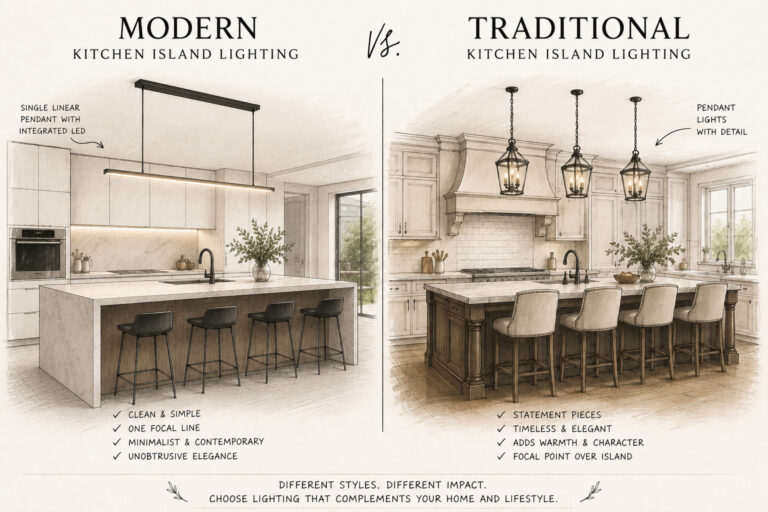
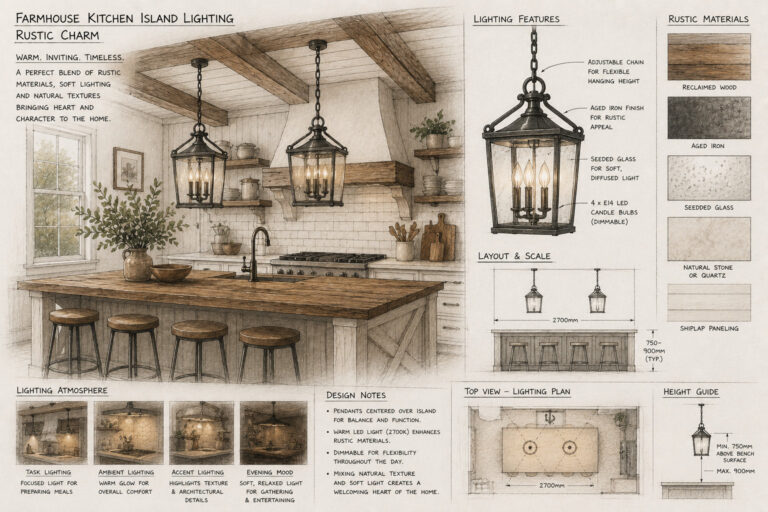
Think ambient lights, task lights, accent lights, and maybe even smart lighting if you’re into that. For example, a pendant light over the kitchen island made total sense for task lighting, while sconces on the walls created a cozy atmosphere.
Understanding the Lighting Control System
Here’s one thing a lot of people miss early on is how the lighting will be controlled. Do you want to have a dimmer for mood lighting? Or maybe you’d like a smart system that lets you control the lighting from your phone?
The lighting designer will walk you through your options. It’s all part of making the lighting experience as seamless and customized as possible.
Electrical and Technical Details
Okay, here’s the part where you definitely need a lighting designer to work closely with electricians to ensure that all the electrical components are handled properly. This includes things like power sources, wiring, and the placement of switches.
This is one area where you absolutely don’t want to cut corners—your designer will make sure everything is up to code and safe, while the electrician ensures it’s all wired properly.
Installation and Final Touches
Once the planning and design are done, it’s time for the installation phase. This is where all the pieces come together, and the lighting is installed according to the design plan.
The designer often stays involved during this process to make sure everything is installed as planned. The installer will also test the lights to make sure everything works properly, and sometimes they’ll help you fine-tune the lighting levels.
Final Walk through and Adjustments
After everything is set up and installed, the lighting designer will typically do a final walkthrough with you to make sure everything is exactly how you envisioned it.
This is when you’ll get to see the lighting in action and make any last-minute tweaks. Whether it’s adjusting the brightness or moving a fixture slightly, this part is all about fine-tuning to get everything just right.
So, that’s the lighting design process in a nutshell! From the initial consultation to the final walkthrough, there’s a lot more that goes into lighting than just picking out some nice fixtures. It’s all about creating the right balance of function and style, and that’s what a lighting designer can do best.
The process is definitely an investment of time and money, but the results are totally worth it. You’ll end up with a space that feels perfectly lit for any occasion.
Is Hiring a Lighting Designer Cost-Effective?
When you’re considering a lighting design project, the big question that always comes up is: “Is hiring a lighting designer really worth the cost?”, “Do I Need a Lighting Designer”.
The idea of hiring a professional might seem like an extra expense, especially when you think about all the DIY lighting tutorials available online.
I’ve figured out whether hiring a lighting designer is cost-effective, and why it might actually save you money in the long run.
Avoiding Costly Mistakes
A lighting designer will help you avoid mistakes from the start. They have the expertise to create a design that fits your space and needs, so you’re not constantly buying the wrong lights, replacing them, or dealing with awkward setups that just don’t work.
A designer will save me time and money by helping me choose the right fixtures in the first place.
Maximizing Energy Efficiency
If you’ve ever looked at your electricity bill and wondered why it’s sky-high, it might be due to poor lighting choices. I used to leave lights on all day in my home because I hadn’t thought about the energy efficiency of the fixtures I was using.
A lighting designer, on the other hand, will make sure you’re using energy-efficient bulbs and fixtures, helping you save money in the long run.
They can also help you design a lighting system with dimmers or smart lighting controls that let you adjust the brightness and only use the light you need, which means less wasted energy.
Increasing the Value of Your Home
Okay, here’s the thing about lighting—it’s one of those subtle design elements that can totally change the vibe of a room or even your entire home.
A professional lighting design can increase your home’s overall aesthetic appeal, which, in turn, can increase its value if you’re thinking about selling. Think about it: When buyers walk into a home, they’re going to notice how the space is lit. A well-lit home feels inviting, modern, and thoughtfully designed.
I’ve seen houses with stunning lighting that instantly gave the space a luxurious feel. That kind of first impression can translate to higher offers when it’s time to sell. So, while the initial investment in a lighting designer might seem steep, it could very well pay off if you decide to put your home on the market.
Long-Term Cost Savings on Maintenance
One aspect people often overlook is maintenance. Cheap lighting fixtures often break, require frequent bulb replacements, or just end up being inefficient.
A lighting designer will help you select quality fixtures that are built to last. I’ve had my fair share of cheap lights that only lasted a year or two before they started flickering, dimming, or just completely stopped working. Investing in high-quality, durable lighting fixtures that a designer will recommend saves you money in the long run.
Plus, many designers work with reliable suppliers who offer warranties, so you won’t have to worry about dealing with faulty fixtures down the line.
Creating a Design That Works for Your Budget
A lighting designer will work within your budget. A skilled designer can help you get the most out of your lighting dollars by suggesting affordable yet effective solutions.
They’ll give you options, recommend budget-friendly fixtures, and work with you to create a design that enhances your space without going overboard.
As a lighting designer I suggested an affordable set of sconces for the hallway, which provided great accent lighting at a fraction of the cost of overhead lighting.
I also recommended some DIY tricks for a few areas that could be handled by the client.
The balance between professional guidance and budget-consciousness is what makes hiring a designer actually cost-effective.
Boosting Your Comfort and Productivity
Now, this one isn’t always a direct financial return, but it’s important. The right lighting can have a significant impact on your comfort and productivity.
Poor lighting can lead to eye strain, headaches, and overall discomfort. I learned this the hard way when I was working long hours at my desk under harsh overhead lights that made me feel fatigued by midday.
As a lighting designer, I installed task lighting at my workstation, and the difference was night and day. Not only did it reduce eye strain, but I also became way more productive because I wasn’t distracted by bad lighting.
So, if you think about it, investing in lighting that works for your daily life can actually improve your well-being, which in turn could lead to greater productivity and, ultimately, success in whatever you do.
A Worthwhile Investment for Custom Projects
If you’re doing a custom home build or a major renovation, a lighting designer can be a lifesaver.
A lighting designer can tailor a plan that works specifically for your unique space, and that kind of customization is hard to achieve on your own.
In these types of projects, hiring a designer can be especially cost-effective because you’re getting exactly what you need—without unnecessary trial and error.
So, is hiring a lighting designer cost-effective? In my experience, yes! While the upfront cost might seem like a lot, it’s an investment that saves you money in the long run.
You avoid costly mistakes, lower your energy bills, increase the value of your home, and create a space that feels amazing to live in. Plus, you get all the benefits of professional expertise, tailored solutions, and a design that enhances your space both practically and aesthetically.
How to Choose the Right Lighting Designer for Your Project
Choosing the right lighting designer for your project can feel like a daunting task. After all, lighting design isn’t just about picking pretty fixtures—it’s about creating an environment that suits your needs, enhances the space, and makes it feel like home.
But here’s the thing: there’s no one-size-fits-all designer. Some are perfect for big, commercial spaces, while others shine in residential projects like kitchens, living rooms, or outdoor areas.
Here’s what I’ve learned to look for when choosing the right lighting designer for your project.
Understand Your Project Needs
Before even starting your search, get clear on what you need from your lighting designer.
Are you redesigning a single room or a whole house? Do you need something simple or more complex, like smart lighting or customized fixtures?
You can make the mistake of not having a clear vision when you first hire a designer, and the result will be a mismatch in expectations.
The designer can be focused a lot on aesthetics, while you really needed functional lighting for specific tasks. By clearly defining your goals—whether it’s for ambiance, task lighting, or energy efficiency—you’ll be able to find a designer who specializes in exactly what you need.
Check Their Portfolio and Style
Once you’ve defined your needs, take a look at the designer’s portfolio. This is a huge red flag if a designer doesn’t have one—how can you know their style or expertise if they can’t show you previous work?
Pay attention to the types of spaces they’ve worked on. Do their designs feel cohesive and thoughtful? Do they have experience with projects similar to yours?
For example, if you’re doing a commercial space, you’ll need someone with expertise in that area. But if you’re focusing on a cozy living room, you want to make sure they’re skilled at creating ambiance and warmth.
Check References and Reviews
If there’s one thing I’ve learned from experience, it’s that reviews and references can make or break a decision.
No matter how good a designer’s portfolio looks, you want to make sure other clients have had positive experiences.
When I asked for references. It was reassuring to hear from other clients who had similar projects and were happy with the results.
Be sure to check online reviews, too, and look for any common patterns—whether positive or negative.
A good designer will have consistent positive feedback, especially regarding communication, staying on budget, and meeting deadlines.
Assess Their Communication Skills
Lighting designers aren’t just about designing; they’re also about communication.
In fact, I’d say that’s one of the most important aspects. A great designer will ask you questions, really listen to your needs, and make sure they understand your vision before diving into the design process.
A good lighting designer will take the time to explain all the options available, answered your questions patiently, and kept you in the loop throughout the entire process.
I’ve had experiences with professionals in other areas who were difficult to communicate with, and let me tell you, it made everything so much harder.
If you can’t communicate effectively with your designer, the whole project will suffer.
Budget Transparency
One of the most uncomfortable aspects of hiring any professional is figuring out how much it’s going to cost.
Lighting design can range from relatively affordable to quite expensive depending on the scope of the project.
When you’re selecting a lighting designer, make sure they’re clear about their pricing structure from the get-go. Are they charging by the hour, by the project, or offering flat-rate packages?
If your lighting designer doesn’t mention how their pricing worked until later, and the surprise costs are frustrating.
A good designer should be upfront about the cost and provide a detailed breakdown so you can budget accordingly.
This doesn’t mean the cheapest option is always the best, but you’ll want to know what you’re paying for.
Look for Creativity and Problem-Solving Ability
Lighting is all about creativity—especially when it comes to tricky spaces.
Some areas, like a small bedroom or a dark hallway, can be challenging to light effectively. I knew a lighting designer once who really impressed me with their ability to think outside the box.
The installing under-cabinet lighting in your kitchen to improve both aesthetics and functionality. Is such a simple idea, but it completely transforms the space.
If a lighting designer has a creative edge, they can bring unique solutions to even the most challenging spaces.
Look for someone who can think beyond basic solutions and who has a good grasp of how lighting impacts mood and space.
Consider Their Experience with Smart Lighting
This one’s more for tech lovers, but it’s definitely a growing trend. If you’re interested in integrating smart home systems into your lighting setup, make sure your designer has experience with smart lighting.
I recently revamped my living room using smart bulbs and automated lighting schedules, and I was so glad as a designer I understood the nuances of smart lighting systems.
That helped me select fixtures that were compatible with smart bulbs and designed a setup that allowed me to control the lighting from my phone. If smart lighting is important to you, make sure to find someone who’s knowledgeable in this area, especially since it’s becoming more popular for home automation.
Trust Your Gut
Lastly, trust your gut. If something doesn’t feel right about the designer, or if you feel like you’re not connecting with them, it might be time to look elsewhere.
When I worked with a client for a master bedroom, I could immediately tell they understood what I was looking for. The process was collaborative, and I felt comfortable sharing my thoughts with them.
On the flip side, I’ve worked with clients where I wasn’t sure if we were on the same page, and that never leads to the best results. A strong working relationship is key, so don’t ignore that gut feeling.
Conclusion
Choosing the right lighting designer for your project takes time, but it’s worth it to get the results you want.
From understanding your needs and checking their portfolio to ensuring good communication and budget transparency, these are the steps I’ve learned to follow.
Don’t rush the decision—take your time to find someone who feels like the right fit for your project. After all, good lighting can make or break a space, and the right designer can truly elevate your vision!