How Residential Lighting Design Impacts Home Value in 2026

Introduction
Most homeowners focus on kitchens, bathrooms, and flooring when trying to increase the value of their home. Lighting? It’s often an afterthought.
But here’s the reality many people don’t realise until it’s too late: lighting design quietly shapes how buyers experience a home.
Walk into a poorly lit house and it instantly feels smaller, dull, and uninspiring. The rooms may be beautifully designed, but if the lighting is wrong, the entire property loses its impact.
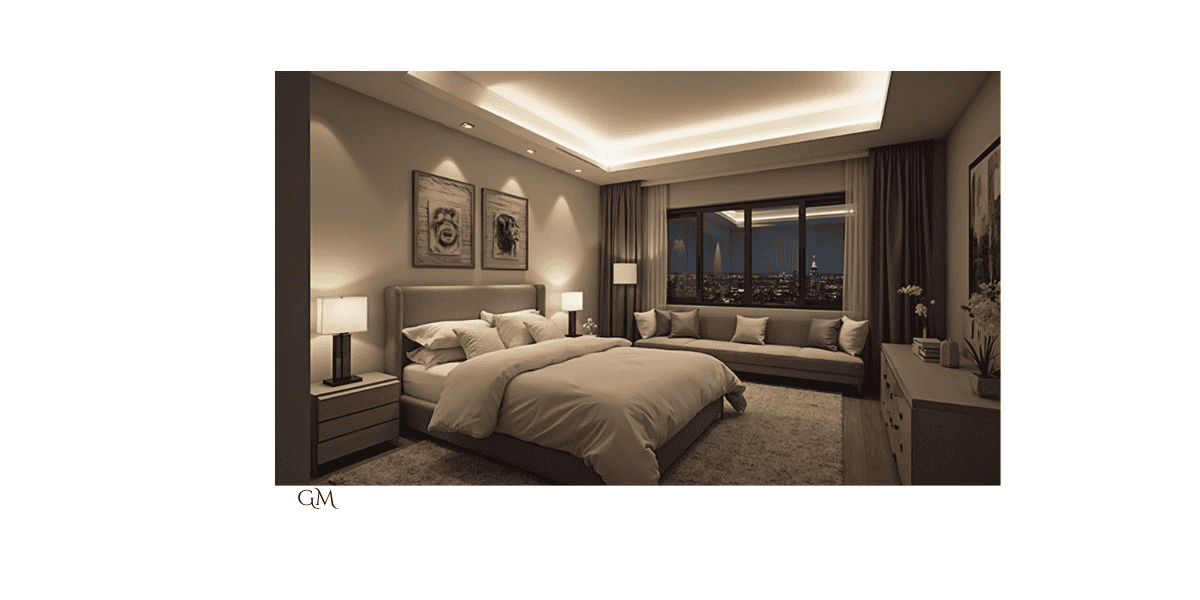
Now walk into a home where the lighting has been thoughtfully planned — warm layered lighting, architectural highlights, balanced brightness. Suddenly the same square metres feel larger, more luxurious, and far more inviting.
This isn’t just aesthetic preference. According to real estate professionals, buyer impressions form within seconds of entering a home, and lighting plays a huge role in that first emotional response.
Good residential lighting design can:
- Make rooms appear larger
- Highlight architectural features
- Improve comfort and usability
- Increase perceived quality of the home
- Strengthen resale appeal
In short, lighting doesn’t just illuminate a home — it elevates its value.
In this guide, we’ll explore how residential lighting design influences property value and the practical lighting strategies homeowners can use to maximise both beauty and return on investment.
Why Lighting Design Matters in Residential Homes
Lighting is one of the most powerful tools in interior design, yet it’s also one of the most misunderstood.
Many homes previously have relied on a single central ceiling light in each room. While this technically provides illumination, it does very little to create atmosphere, depth, or visual interest.
Professional lighting design approaches a home differently. Instead of a single source of light, it uses layers of lighting to shape how a space is experienced.
Good lighting design:
- Defines the mood of a room
- Improves functionality and usability
- Highlights architectural details
- Enhances colours and textures
- Makes spaces feel more open and inviting
From a property value perspective, lighting also affects how well a home photographs and presents during inspections. Bright, balanced lighting helps buyers see the potential of a space.
Poor lighting, on the other hand, can make even high-end finishes feel flat or dated.
The Psychology of Lighting and Buyer Perception
Lighting has a profound psychological effect on how people feel inside a space.
Soft warm lighting creates comfort and relaxation. Bright balanced lighting creates clarity and energy. Dramatic accent lighting adds sophistication and depth.
Buyers may not consciously analyse the lighting in a home, but they absolutely respond to it emotionally.
Here’s what well-designed lighting subtly communicates to buyers:
Warm layered lighting suggests comfort and quality.
Balanced brightness suggests spaciousness.
Architectural lighting suggests thoughtful design.
In contrast, poor lighting often sends unintended signals:
- Dark corners make rooms feel smaller
- Harsh downlights create uncomfortable glare
- Cool bluish lighting feels clinical
- Single ceiling lights make spaces feel flat
These details might seem small, but when buyers are comparing homes, these impressions matter.
Good lighting helps buyers imagine themselves living in the home — and that emotional connection often drives higher offers.
Types of Residential Lighting That Increase Property Value
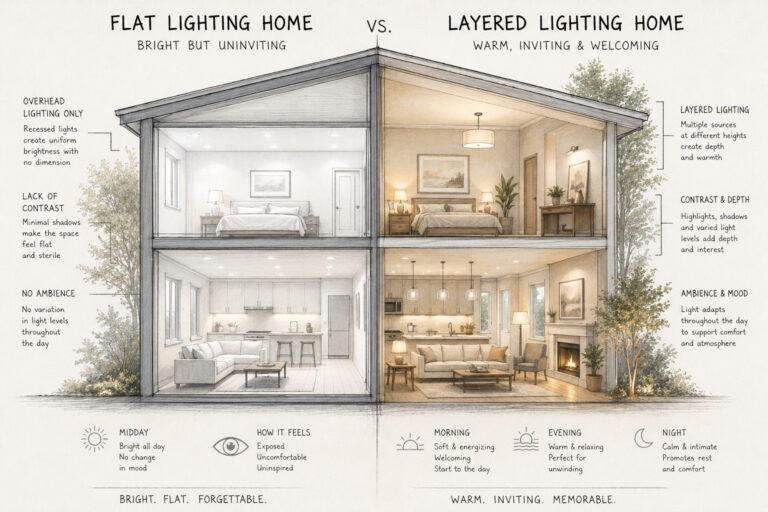
One of the foundations of professional lighting design is the concept of layered lighting.
Instead of relying on one source of light, rooms are illuminated using multiple lighting types that serve different purposes.
Ambient Lighting
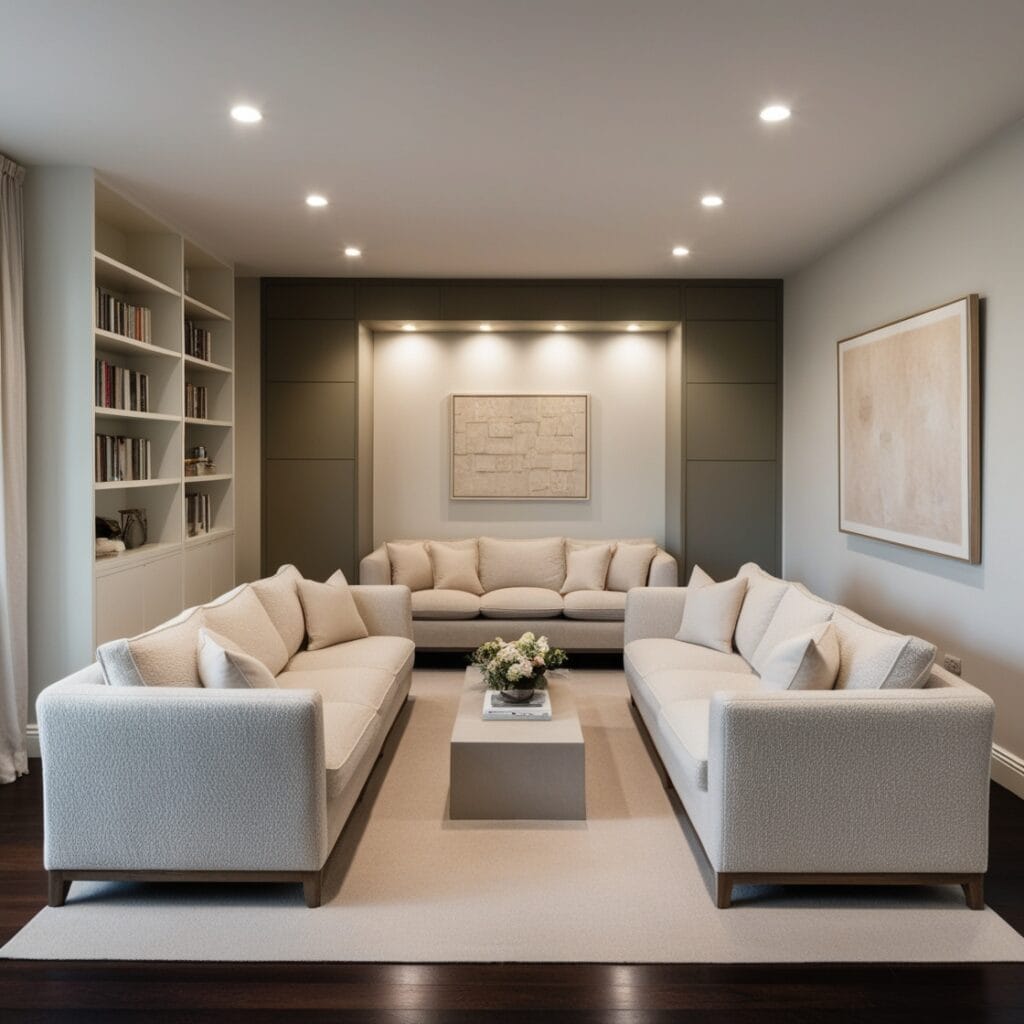
Ambient lighting provides the overall illumination for a space.
Examples include:
- Recessed downlights
- Ceiling fixtures
- Chandeliers
- Cove lighting
Ambient lighting ensures the room is evenly lit and comfortable to navigate.
However, ambient lighting alone rarely creates atmosphere. That’s where the next layers come in.
Task Lighting
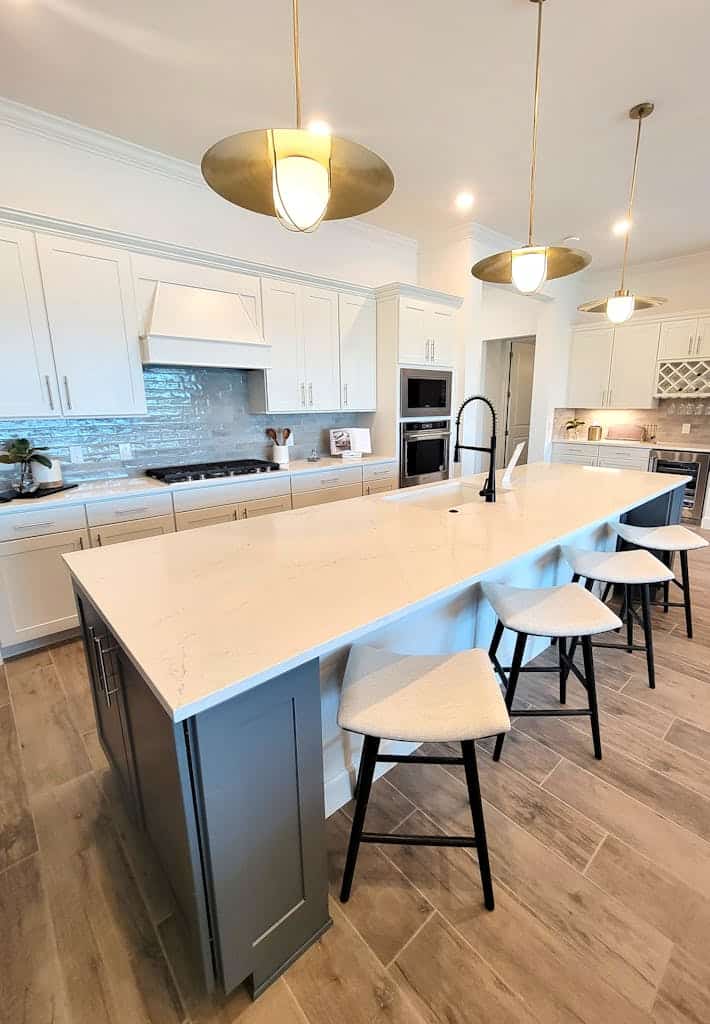
Task lighting is designed for specific activities.
Examples include:
- Under-cabinet kitchen lighting
- Desk lamps
- Reading lights
- Vanity lighting in bathrooms
Task lighting improves usability and prevents shadows where precision is needed.
Homes with thoughtful task lighting feel more practical and better designed.
Accent Lighting
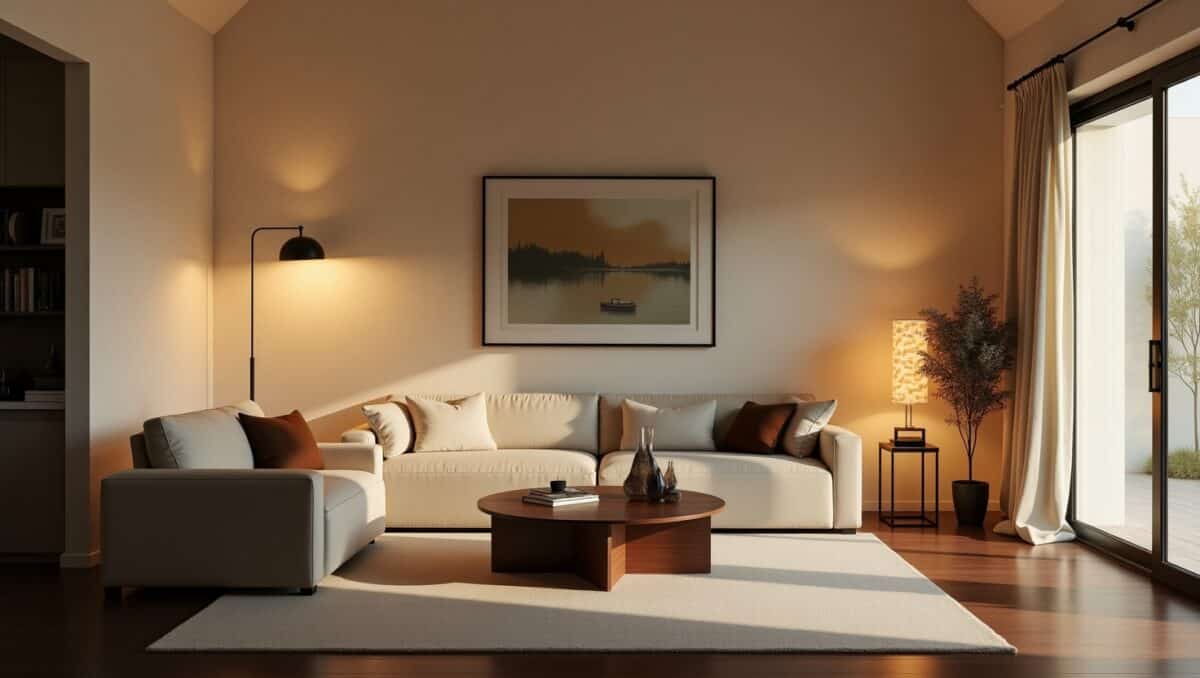
Accent lighting adds drama and depth.
It is used to highlight:
- Artwork
- Feature walls
- Architectural details
- Textured materials
Accent lighting creates visual interest and adds a sense of luxury to a home. Some ways to create accent lighting would be to use strip lighting in coving on the ceiling or on walls. You are only limited by your imagination and budget for what you can create.
Decorative Lighting
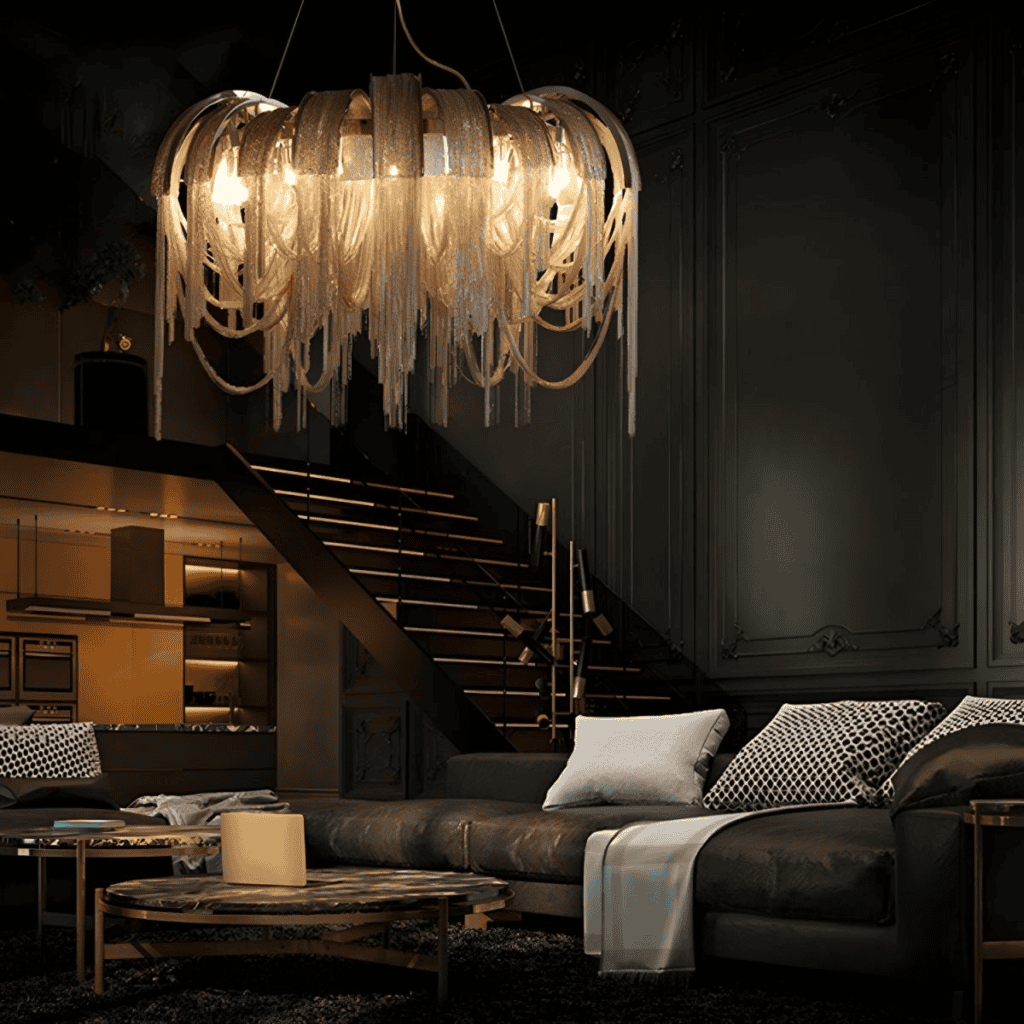
Decorative lighting fixtures act as both illumination and interior design.
Most people focus nearly exclusively on the pretty pendants; this can often be to the detriment of the task and practical lighting needed to use a space well.
These include:
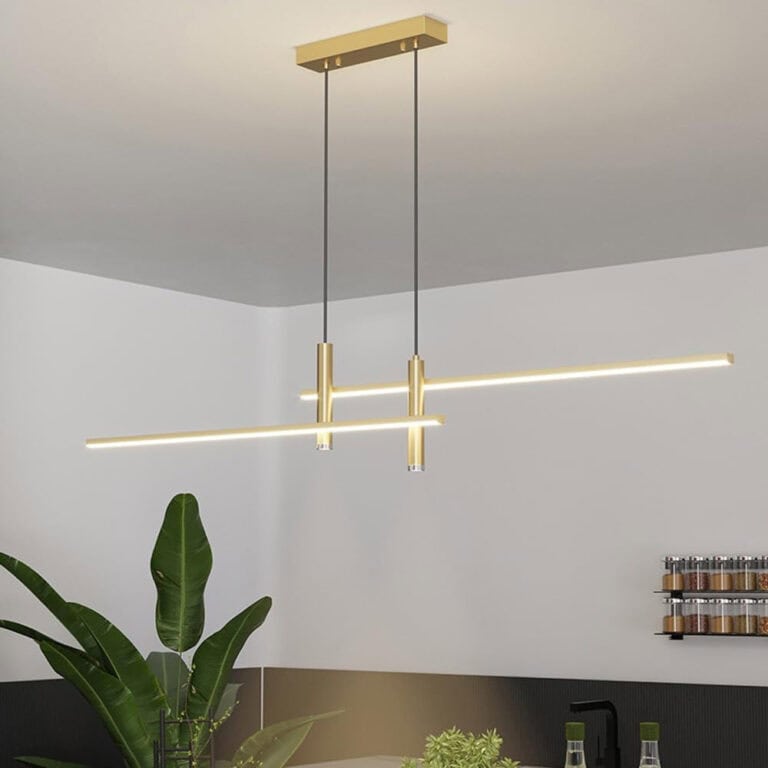
- Pendant lights
- Statement chandeliers
- Sculptural fixtures
Well-chosen decorative lighting can transform an ordinary room into a memorable space. And choosing the right product can make all the difference not just in how a space feels, but also in cementing your design in place.
Key Areas Where Lighting Adds the Most Value
Not every room contributes equally to perceived home value.
Certain areas of the home benefit enormously from thoughtful lighting upgrades.
Kitchen Lighting
The kitchen is often considered the heart of the home, and lighting plays a huge role in how it functions and feels.
Valuable kitchen lighting upgrades include:
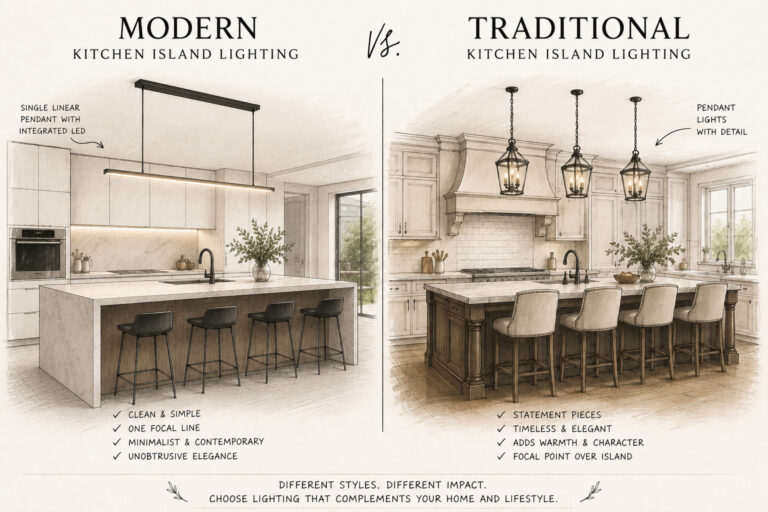
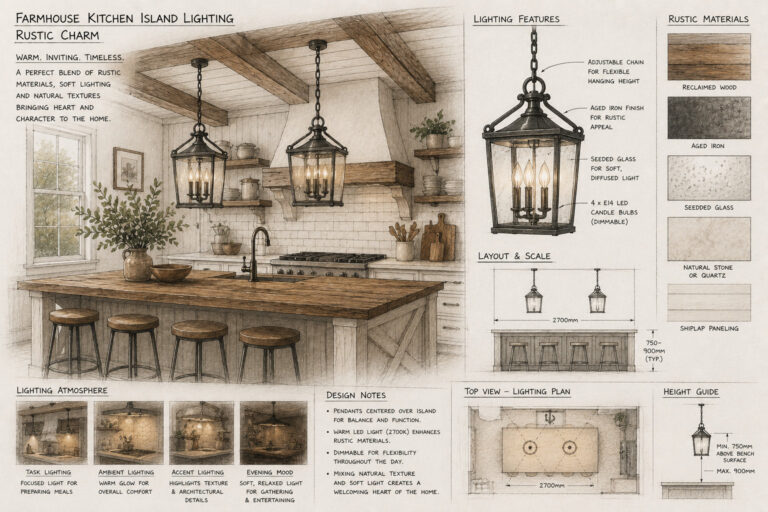
- Pendant lights above kitchen islands
- Under-cabinet LED lighting
- Recessed task lighting for preparation areas
- Feature lighting for splashbacks or shelves
A well-lit kitchen feels cleaner, larger, and more modern.
Buyers consistently rank kitchens among the most important rooms when evaluating a home. This is about not just how a kitchen looks but also how functional the whole space is too.
Living Room Lighting
Living rooms benefit from layered lighting that creates flexibility.
A good lighting plan may include:
- Ambient ceiling lighting
- Floor lamps for reading
- Wall lights for mood lighting
- Accent lighting for artwork or shelving
This allows the room to shift from bright and functional to relaxed and cosy in the evening.
Bathroom Lighting
Bathrooms often suffer from poor lighting design.
A single ceiling light can create unflattering shadows and make daily tasks difficult.
Better bathroom lighting includes:
- Balanced vanity lighting
- Soft ambient ceiling lighting
- Shower lighting where appropriate
- Accent lighting for mirrors or niches
Well-lit bathrooms feel cleaner, brighter, and more luxurious.
Outdoor Lighting
Exterior lighting dramatically improves curb appeal.
Key outdoor lighting features include:
- Pathway lighting
- Entry lighting
- Landscape lighting
- Wall-mounted architectural lights
Outdoor lighting also improves safety and usability after dark.
A beautifully lit exterior creates a strong first impression before buyers even step inside.
Energy Efficient Lighting and Modern Home Buyers
Energy efficiency has become an important consideration for many homeowners and buyers.
LED lighting has largely replaced older incandescent and halogen lamps because it offers several advantages:
- Lower energy consumption
- Longer lifespan
- Reduced heat output
- Better control over colour temperature
From a resale perspective, homes with modern LED lighting are seen as more efficient and future-ready.
Many buyers appreciate knowing they won’t immediately need to upgrade outdated lighting systems.
Smart Lighting Technology and Property Appeal
Smart home technology has also influenced residential lighting design.
Smart lighting systems allow homeowners to:
- Control lighting from their phone
- Adjust brightness levels
- Change lighting scenes
- Automate schedules
- Integrate lighting with voice assistants
While smart lighting isn’t essential for every home, it can increase appeal for tech-savvy buyers.
Even simple features like dimmable lighting and scene control can make a home feel more modern.
Common Lighting Mistakes That Reduce Home Value
Unfortunately, many homes suffer from avoidable lighting mistakes.
These mistakes don’t just affect aesthetics — they can reduce the perceived value of a property.
Common lighting issues include:
Too many downlights
Excessive recessed lighting can create glare and visual clutter on ceilings.
Poor downlight placement
Lights positioned incorrectly can create harsh shadows on walls and faces.
No layered lighting
Relying solely on ceiling lights makes rooms feel flat and uninspiring.
Incorrect colour temperature
Lighting that is too cool can make homes feel sterile and uncomfortable.
Outdated fixtures
Old light fittings can instantly date an otherwise modern home.
Fixing these issues is often relatively inexpensive compared to major renovations.
The Return on Investment of Lighting Upgrades
One of the advantages of improving lighting design is that the cost is often modest compared to structural renovations.
Simple upgrades that can significantly improve a home include:
- Replacing outdated light fixtures
- Adding under-cabinet kitchen lighting
- Installing dimmers
- Introducing accent lighting
- Updating exterior lighting
These improvements can dramatically change how a home feels without major construction work.
In many cases, lighting upgrades deliver a strong return because they improve both aesthetics and functionality.
Simple Lighting Improvements Before Selling a Home
Homeowners preparing to sell their property can take several simple steps to improve lighting.
These include:
- Replacing outdated fixtures with modern designs
- Switching to warm LED bulbs
- Ensuring every room has adequate brightness
- Adding lamps or wall lights to create layered lighting
- Highlighting key features such as artwork or architectural details
Even small adjustments can make a home feel brighter, larger, and more inviting during inspections.
Conclusion
Residential lighting design is far more than a decorative detail. It plays a central role in how a home looks, feels, and functions.
Thoughtfully designed lighting can transform ordinary rooms into inviting spaces that buyers connect with emotionally.
By improving brightness, highlighting architectural features, and creating comfortable atmosphere, good lighting design can significantly increase a home’s appeal.
For homeowners, renovators, and designers, understanding lighting is one of the smartest ways to elevate a property without major renovation costs.
And when it comes to selling or renovating a home, the difference between basic lighting and well-designed lighting can be surprisingly powerful.
Want to Plan Your Home Lighting the Right Way?
Most homeowners struggle with where lights should go, how many are needed, and what type to choose.
That’s exactly why I created a simple guide to help.
Download the free Residential Lighting Design Guide — a practical guide that shows you how to plan lighting for kitchens, living rooms, and key areas of the home.
It’s designed to help homeowners, renovators, and designers avoid common lighting mistakes and create spaces that feel balanced, functional, and beautiful.
Download the guide and start designing your lighting with confidence.