Mastering Layered Lighting: A Comprehensive Guide for Interior Designers in Residential Spaces

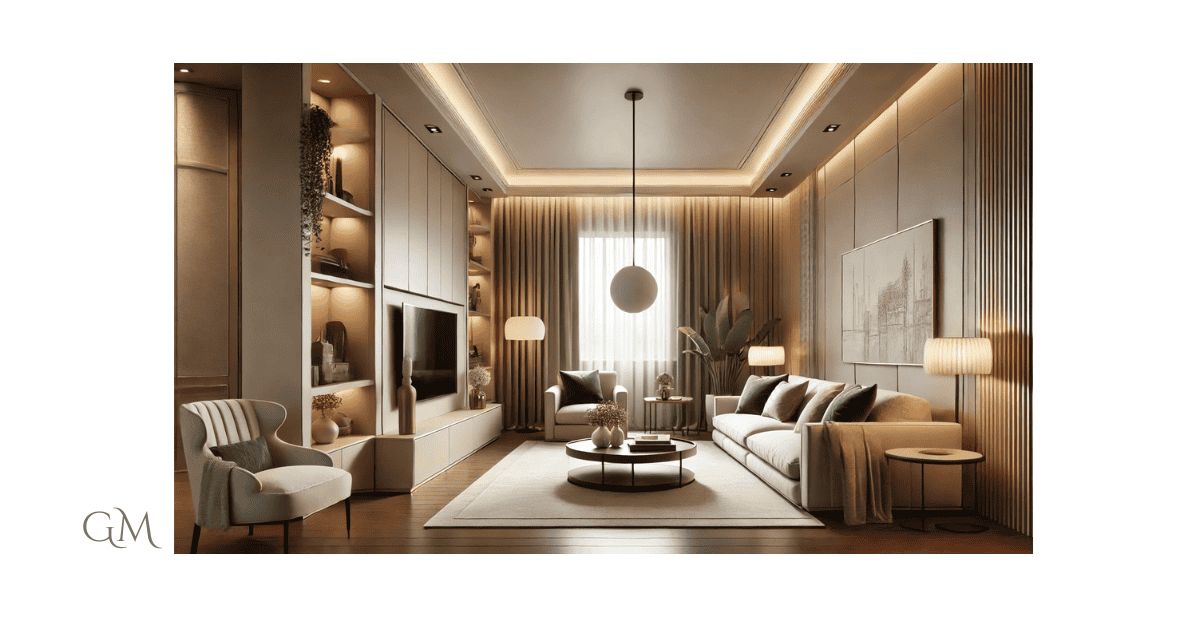
Ultimate Guide to Layered Lighting in Residential Lighting for Interior Designers
Introduction
Layered lighting is a cornerstone of effective and beautiful residential design. It creates depth, dimension, and functionality in spaces while enhancing the overall aesthetic. For interior designers, mastering layered lighting is essential to designing interiors that are both visually stunning and highly practical.
This guide aims to walk you through the fundamentals of layered lighting, its benefits, and how to implement it in residential interiors. Whether designing a cozy bedroom or an inviting living room, this guide will help you curate the ideal lighting scheme for every space.
What is Layered Lighting?
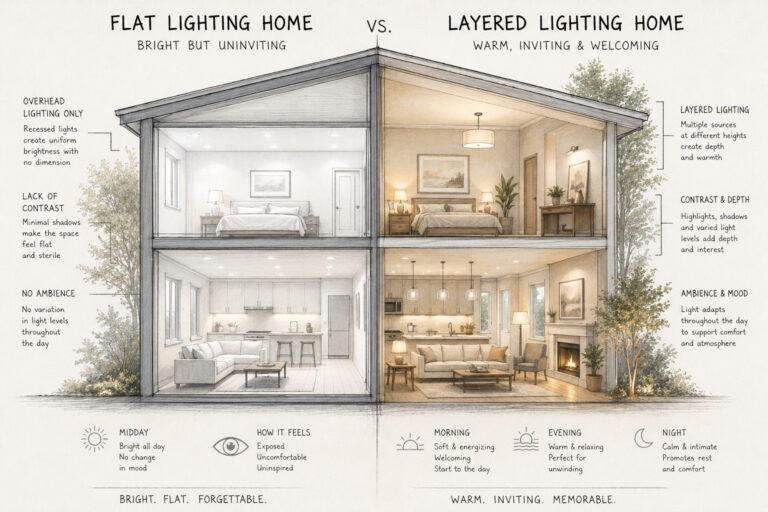
Layered lighting is the practice of combining multiple light sources to achieve balanced and versatile illumination within a space. Unlike single-source lighting, which can often leave rooms feeling flat or poorly lit, layered lighting creates a dynamic and functional environment.
Mastering Layered Lighting is built around three key types of lighting: ambient, task, and accent lighting. Each serves a distinct purpose and, when used together, transforms interiors into cohesive, engaging spaces.
The Three Layers of Lighting Defined
- Ambient Lighting: Provides overall illumination to ensure visibility and set the tone of a room.
- Task Lighting: Delivers focused light for specific activities like reading, cooking, or working.
- Accent Lighting: Highlights features like artwork, architectural details, or decorative items to add visual interest.
Benefits of Layered Lighting
Layered lighting offers a wealth of benefits that go beyond simple illumination. By incorporating different lighting layers, interior designers can tailor environments to suit a homeowner’s needs and style.
- Enhanced Functionality: Layered lighting ensures that each space is equipped for its intended use, from reading nooks to kitchen prep areas.
- Visual Interest: The combination of light and shadow creates depth, making interiors feel lively and engaging.
- Flexibility: With layered lighting, spaces can adapt to different moods, activities, and times of day simply by adjusting light levels.
Understanding the Three Layers of Lighting
Ambient Lighting
Ambient lighting, also known as general lighting, serves as the base layer in a room. Its purpose is to provide even illumination that eliminates dark spots and creates a comfortable level of brightness.
Common examples include chandeliers, ceiling-mounted fixtures, pendant lights, and recessed lighting. Ambient lighting sets the tone of a room and works as a foundation for the other layers. This can be in the average home, your recessed downlights or a central flushmount fitting, or even your fan with light.
Task Lighting
Task lighting is all about functionality. This layer is designed to provide concentrated light for activities such as reading, cooking, applying makeup, or working.
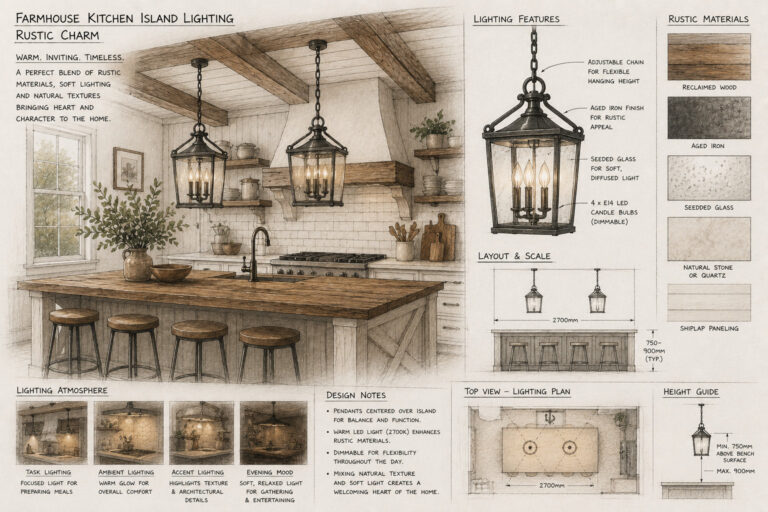
Examples of task lighting are desk lamps, under-cabinet kitchen lighting, and pendant lights over kitchen islands. Even over bathroom mirror lighting too. When positioned correctly, task lighting should minimize glare and shadows, ensuring optimal visibility for specific tasks.
Accent Lighting
Accent lighting is the decorative layer that elevates a space’s personality. Its purpose is to highlight features like artwork, shelves, or architectural details and to add drama and dimension.
Spotlights, wall sconces, track lighting, and LED strip lights are all common types of accent lighting. This layer is meant to draw the eye and create visual focal points. Even lamps either floor lamps or table lamps that accentuate a corner or feature.
Layered Lighting for Different Residential Spaces
Living Room
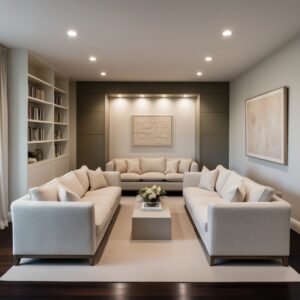
In living rooms, a combination of ambient, task, and accent lighting is essential. Use recessed lights or chandeliers for general illumination, floor lamps for reading, and wall sconces or LED strips to highlight artwork, bookcases, or architectural details.
Kitchen
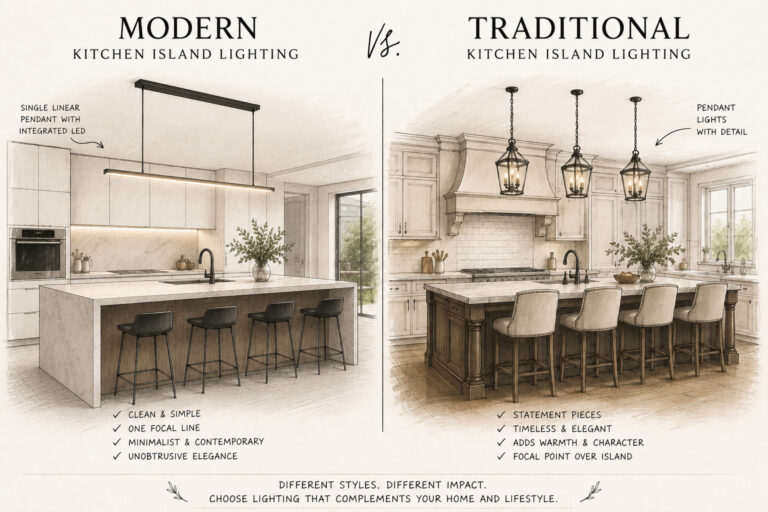
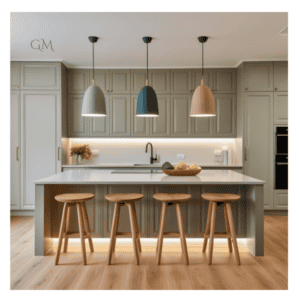
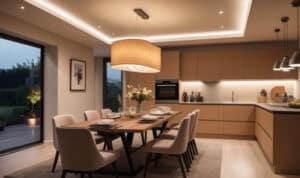
Kitchens require task lighting over countertops, islands, and sinks. Pair these with ambient lighting from pendant lights or recessed fixtures and accent lighting under cabinets to add depth and flair. A well-designed kitchen benefits from seamless transitions between functionality and aesthetic appeal.
Bedroom
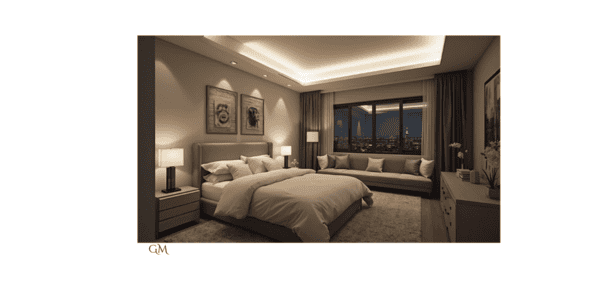
Bedrooms should balance relaxation and functionality. Use ambient lighting, such as a ceiling-mounted fixture, to softly light the room. Add reading lights or table lamps for bedside tasks and soft accent lighting to create a serene atmosphere.
Bathroom
In bathrooms, functional task lighting around mirrors is a priority to avoid shadows during grooming. Combine this with ambient lighting from ceiling fixtures and subtle accent lighting, such as LED strips, to enhance luxury and relaxation in the space.

Dining Room
The dining room often revolves around a central chandelier or pendant light as the ambient layer. Accent lighting, such as wall sconces or picture lights, can draw attention to decorative elements or highlight artwork for added sophistication.
Tips for Designing Effective Layered Lighting
- Start With Functionality: Begin by identifying the purpose of each space and work from there.
- Select Fixtures Thoughtfully: Each light layer requires specific fixtures and strategic placement to work harmoniously.
- Embrace Color Temperature: Warm or cool light impacts a room’s mood, so choose bulb temperatures accordingly.
- Incorporate Dimmers: Dimmable lights offer flexibility, allowing users to adjust brightness based on activities or preferences.
- Balance Brightness Levels: Avoid designing spaces where one layer overpowers another; aim for a well-balanced setup.
Lighting Trends in Residential Interiors
Smart Lighting
Smart lighting systems are transforming modern interiors. They allow homeowners to control lighting layers via apps or voice commands, creating tailored environments with ease.
Fixture Designs
Minimalist and industrial-style lighting fixtures continue to gain popularity in homes, offering sleek, modern looks without overwhelming a space.
Energy Efficiency
Energy-efficient options, such as LED bulbs, remain a key trend. They provide excellent light output while reducing electricity consumption and being environmentally friendly.
Common Mistakes to Avoid in Layered Lighting
Avoiding common mistakes in layered lighting is critical for achieving a polished look. Overlighting spaces can result in a harsh, unwelcoming environment, while underlighting leaves areas dull and impractical.
- Skipping Accent Lighting: Omitting accent lighting can result in a space that lacks personality and excitement.
- Ignoring Dimmers: Dimmers add versatility, so failing to include them limits lighting options.
- Mismatched Color Temperatures: Using both warm and cool bulbs in the same space can disrupt its harmony.
Tools and Resources for Interior Designers
Interior designers should leverage tools and resources to refine their lighting designs. Software like Dialux or Relux can help simulate lighting plans before implementation.
Partnering with reliable lighting manufacturers ensures high-quality, stylish fixtures. For inspiration, explore design resources such as Pinterest boards, interior design blogs, and product catalogs from top brands.
Case Studies or Examples
To illustrate the power of layered lighting, consider the transformation of a dim, single-source-lit bedroom. By adding a central dimmable pendant for ambient lighting, wall sconces for accent lighting, and table lamps for tasks, the space becomes functional and inviting. Similarly, a previously shadowy kitchen with under-cabinet lighting and pendant fixtures achieves both brightness and depth.
Conclusion
Mastering Layered lighting is key to designing interiors that are versatile, functional, and visually striking. Mastering the balance between ambient, task, and accent lighting creates inviting spaces tailored to the homeowner’s individual needs.
Interior designers should embrace this creative process and leverage the vast array of tools and trends available. Dive into the world of layered lighting, and watch as your residential projects truly come to life.
If you would like advice and any further information Contact me