
How to Create a Cozy Reading Nook Lighting (2026).

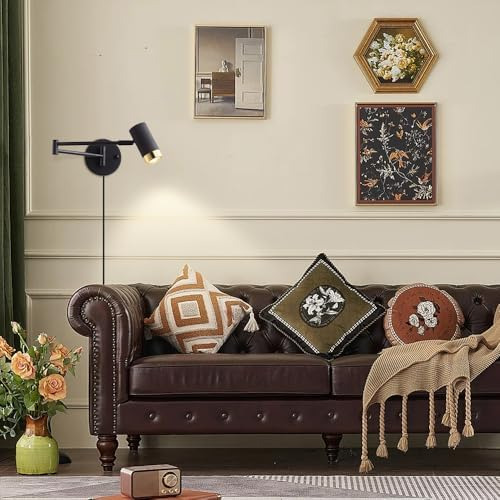
Bookworms, unite!
Did you know that 75% of people find reading to be a stress-reducing activity?
It’s true! And what better way to dive into your favorite novel than in perfectly cozy reading nook Lighting?
In this guide, we’ll walk you through the art of creating a dreamy reading corner that’s so inviting, you’ll want to cancel all your plans (Netflix who?).
From ambient lighting to task-oriented illumination, we’ve got all the bright ideas to make your reading nook shine. So grab your favorite throw blanket, and let’s get started on designing your personal literary haven!

The Importance of Creating the Perfect Reading Nook Lighting
Here’s what I learned the hard way: you need at least two types of lighting in your reading nook, and ideally three.
First up is your task lighting—this is the heavy lifter that actually illuminates your book. I’m talking about a reading lamp that puts out between 450-800 lumens, which sounds super technical but basically means it’s bright enough to see clearly without feeling like you’re being interrogated.
Floor lamps with adjustable arms are clutch for this because you can position them exactly where you need the light.
The second type is ambient lighting, which sets the overall mood of your space.
This could be a ceiling fixture, string lights, or even a table lamp across the room.
The key is that it shouldn’t be harsh or create glare on your pages.
I made the mistake of putting my chair directly under a super bright overhead light, and the reflection off the pages was brutal.
And here’s something nobody tells you about until you experience it—the color temperature of your bulbs matters way more than you’d think.
Warm white bulbs (around 2700-3000K) create that cozy, inviting atmosphere that makes you actually want to curl up with a book.
Cool white or daylight bulbs (5000K+) might seem like they’d be better for reading, but they’re too harsh and can actually cause more eye strain during those long reading sessions.
Natural light is amazing when you can get it, but it’s also kind of a tease.
I positioned my first nook right by a window thinking I was being so smart, but here’s what happened: mornings were great, afternoons got too hot and bright, and evenings were useless. Plus, direct sunlight can fade your books over time, which I learned after noticing my favorite paperbacks getting all sun-bleached and sad looking.
The game-changer for me was adding a dimmer switch to my reading lamp. Some days you want that full brightness for detailed reading, other days you just want to vibe with a magazine in softer light. Being able to adjust the intensity based on what you’re reading and how you’re feeling that day is genuinely life-changing.
One more thing—and this might sound weird—but consider the direction your light is coming from. If you’re right-handed, your lamp should generally come from the left so your hand doesn’t cast shadows on the page. Left-handed? Put it on the right. This seems obvious now, but I spent like two months fighting with shadows before I figured this out.
Types of Lighting for Your Reading Nook
The three main types you should know about are task lighting, ambient lighting, and accent lighting.
Task lighting is your workhorse—it’s the direct light that hits your book or e-reader. This is usually a floor lamp, table lamp, or even one of those clip-on reading lights. I personally use a swing-arm floor lamp that puts out about 600 lumens, and it’s been perfect for everything from dense textbooks to light fiction.
Ambient lighting is basically your background glow. It fills the whole space without being too focused. Think ceiling fixtures, wall sconces, or even a small chandelier if you’re fancy like that. The trick is making sure it’s not competing with your task light or creating weird shadows. I use a small table lamp on a bookshelf about six feet away, and it just gives the whole corner a warm feel.
Accent lighting is the optional third player, but honestly? It makes everything feel more intentional and cozy. This could be LED strip lights behind a bookshelf, a small picture light highlighting artwork, or even candles when you’re feeling extra.
I’ve got some battery-powered puck lights under a floating shelf, and they add this subtle glow that makes the space feel like an actual destination instead of just “that chair in the corner.”
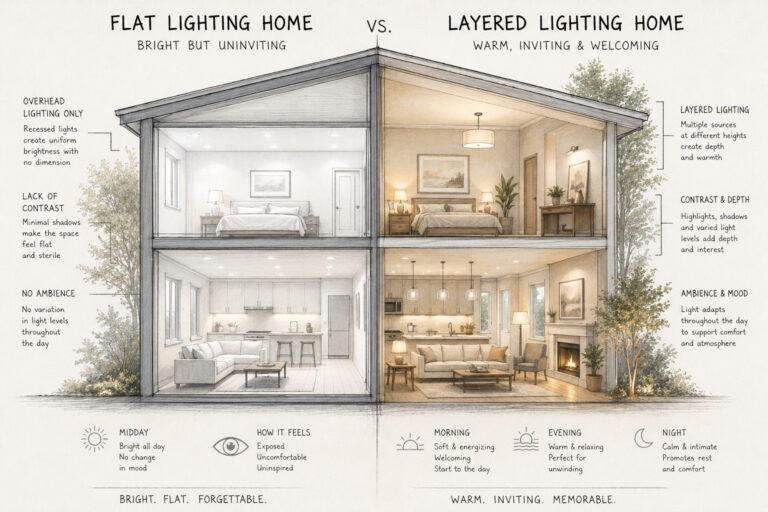
Here’s my biggest tip: layer these types together instead of relying on just one super bright light. When you combine a good task light with softer ambient and accent lighting, you create depth and avoid that harsh, one-dimensional feel. Plus, you can adjust based on time of day or mood, which keeps your nook from feeling stale.
The investment is worth it, trust me.
Choosing the Right Light Fixtures for Your Reading Nook
1. Floor Lamps: Versatile Lighting Solutions
• Adjustable arc lamps for overhead illumination
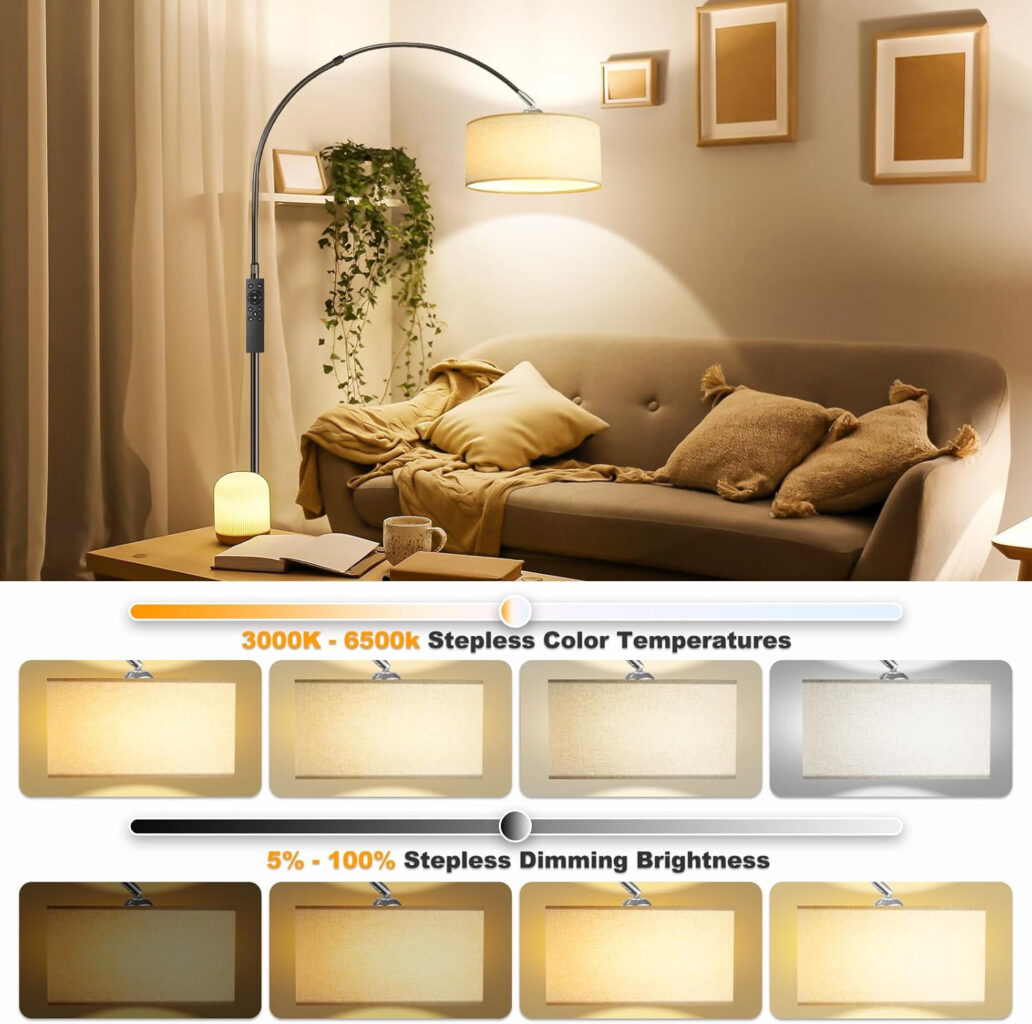
• Reading floor lamps with flexible necks for targeted light
2. Table Lamps: Compact and Stylish Options
• Small-scale lamps for side tables or window sills
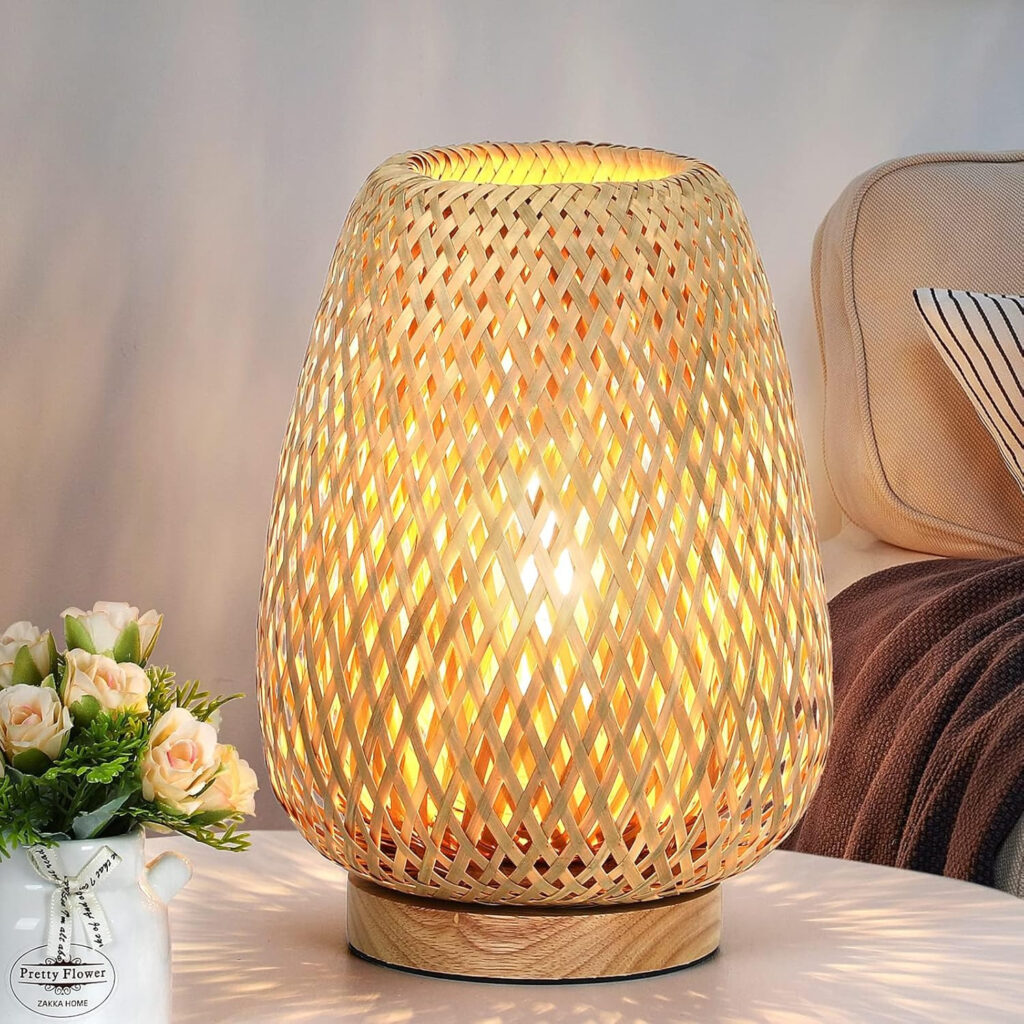
• Decorative options to complement your nook’s decor
3. Wall-Mounted Lights: Space-Saving Illumination
• Swing-arm wall sconces for adjustable lighting
• Picture lights to illuminate both your books and art
4. Pendant Lights: Overhead Lighting with Flair
• Mini pendants for a touch of elegance
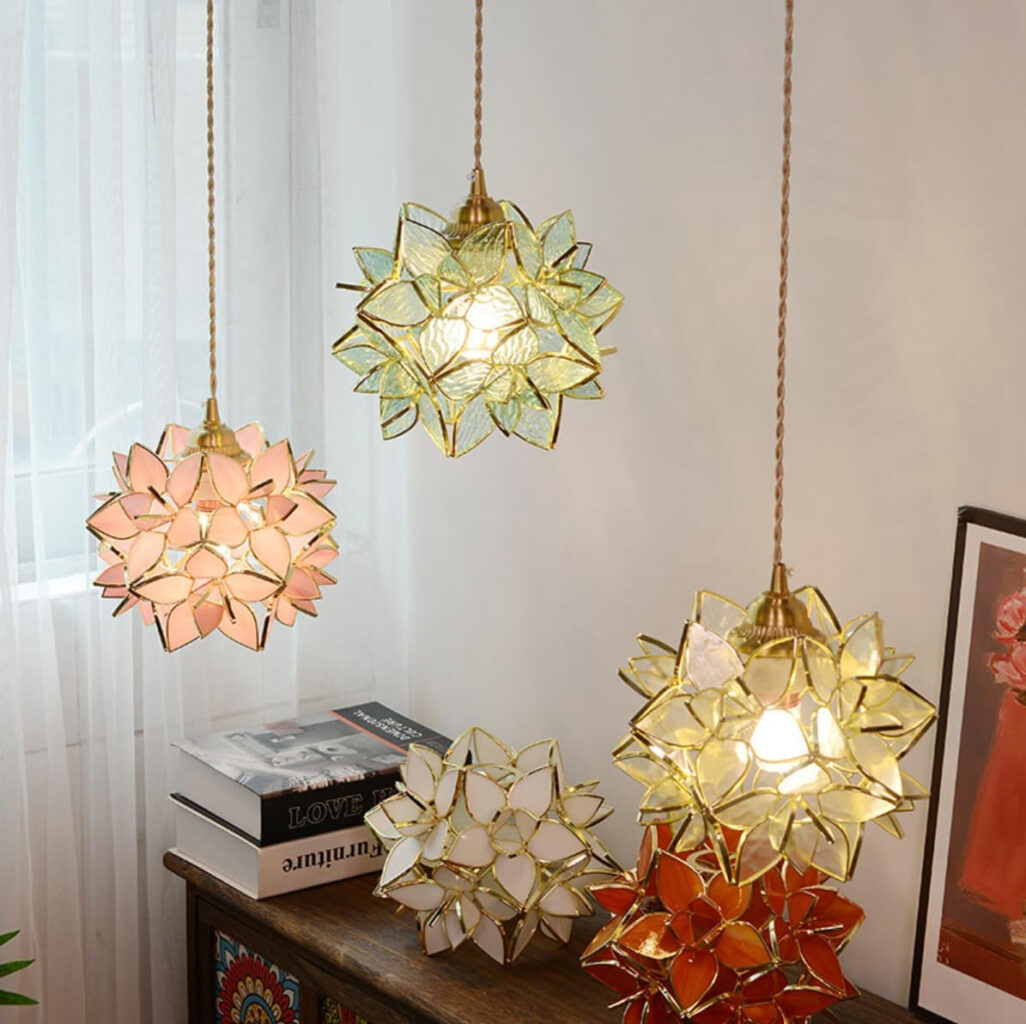
• Glass globe pendants for soft, diffused light
5. LED Strip Lights: Flexible and Modern
• Under-shelf lighting for a subtle glow

• Color-changing options for customizable ambiance
Natural Light Considerations for Your Reading Nook
Natural light seems like the obvious choice for a reading nook, right? Free, beautiful, and makes everything look Instagram-worthy. But here’s the thing—I’ve moved my reading chair four times because I didn’t understand how natural light actually works throughout the day.
North-facing windows are actually the sweet spot for reading nooks. They provide consistent, diffused light throughout the day without those harsh sunny patches that make you feel like you’re being roasted. The light stays relatively even, which means less eye strain and temperature fluctuation. East-facing works too if you’re a morning reader, but forget about afternoon sessions—you’ll be sitting in shadows.
Here’s something that took me forever to figure out: you need window treatments that give you control. I started with those heavy blackout curtains because I already had them, but that was overkill. What you actually want are sheer curtains or adjustable blinds that let you modulate the light. On bright days, you can diffuse it. On cloudy days, you can pull them back completely.
The glare issue is real, and it’s been the bane of my existence. If sunlight hits your page at the wrong angle, you literally can’t see the words. Position your chair perpendicular to the window instead of facing it directly. This way you get the light benefits without the reflection nightmare.
And don’t forget—UV rays will absolutely wreck your book collection over time. I learned this after some of my favorite covers started fading. UV-blocking window film is like twenty bucks and saves your books from turning into sad, bleached versions of themselves.
Creating Layers of Light in Your Reading Nook
So after I figured out all the different types of lighting, I thought I was done. Just slap a lamp next to my chair and call it a day, right? But then I visited my friend’s house and her reading nook lighting literally felt like walking into a boutique hotel. That’s when she explained layering to me, and it completely changed my approach.
Layering light is basically using multiple light sources at different levels and intensities to create depth and flexibility.
Instead of one overhead light doing all the work, you’re combining several lights that each serve a purpose.
Think of it like seasoning food—you don’t just dump salt on something and hope for the best. You layer flavors.
Start with your base layer, which is ambient lighting. This could be a ceiling fixture, wall sconces, or even reflected light from another room if your nook is in an open space. I use a small pendant light with a fabric shade that hangs about seven feet up, and it casts this soft, overall glow.
The key is keeping this light dimmer than your task lighting—maybe around 200-300 lumens. You’re not reading by this light; you’re just making sure the space doesn’t feel like a dark cave.
Your middle layer is task lighting, and this is where most of your reading illumination comes from.
My setup includes a tripod floor lamp positioned behind and slightly to the left of my chair. It directs light down onto my book at about a 45-degree angle, which minimizes shadows and glare.
This lamp runs at about 650 lumens with a warm white bulb, and it’s on pretty much every time I’m reading.
The top layer—and this is where the magic happens—is accent lighting. These are your little pockets of light that add character and dimension.
I’ve got a small LED strip behind my bookshelf, a candle warmer on a side table, and sometimes I’ll add an actual candle when I’m feeling it. These don’t contribute much to actual reading visibility, but they make the space feel intentional and lived-in.
Here’s what nobody tells you: the magic is in having control over each layer independently.
I installed smart bulbs in most of my fixtures, which sounds extra but hear me out. Some nights I want all three layers going for serious reading.
Other times I just want the ambient and accent lights for casual magazine browsing. Being able to adjust based on what I’m reading and my energy level has made me actually use my nook way more often.
The spacing between your light sources matters too. If everything is clustered in one spot, you still end up with that harsh, unbalanced feel. Spread your lights around the nook area—some high, some low, some close, some further away.
This creates what designers call “visual interest,” but really it just means your eye has somewhere to rest besides the one bright spot.
Colour Temperature and Its Impact on Reading Comfort
Colour temperature is measured in Kelvin (K), and it basically determines whether your light looks warm and cozy or cool and clinical.
Lower numbers (2700-3000K) give you that warm, yellowish glow like old incandescent bulbs.
Higher numbers (5000-6500K) are that bright, bluish-white light you see in offices and garages.
And trust me, this matters way more for reading comfort than I ever thought possible.
When I first set up my nook, I grabbed whatever bulbs were on sale at the hardware store. They were labeled “daylight” and boasted about being 5000K, which sounded great because daylight is good, right?
Wrong. After about 30 minutes of reading, my eyes felt tired and strained, and the whole space just felt cold and uninviting.
I literally stopped using the nook for like two weeks because it just didn’t feel good to be there.
The sweet spot for reading is typically between 2700K and 3000K—what’s called “warm white.” This temperature is easy on the eyes for extended periods and creates that cozy atmosphere that actually makes you want to curl up with a book. It mimics the warm glow of evening light or a fireplace, which our brains associate with relaxation and winding down.
Here’s where it gets interesting though: some people swear by slightly cooler temperatures (around 3500-4000K) for reading because they feel it provides better contrast and keeps them more alert.
I experimented with this for my task lighting, using a 3500K bulb in my reading lamp while keeping everything else at 2700K. Honestly? It was okay but not amazing.
The cooler task light did make the text pop a bit more, but it also created this weird color mismatch that bothered me.
One thing that’s been a total game-changer is using bulbs with a high Color Rendering Index (CRI). This measures how accurately colors appear under the light, with 100 being perfect. Cheap bulbs might have a CRI of 70-80, which can make everything look kinda washed out or off.
I switched to bulbs with a CRI of 90 or above, and the difference was immediately noticeable. Book covers look richer, illustrations have more depth, and even the pages themselves look more natural.
The time of day also plays into this whole color temperature thing. I’ve noticed that warm light (2700K) feels perfect for evening reading sessions—it’s calming and doesn’t mess with my sleep schedule.
But on weekend mornings when I’m reading with my coffee, sometimes that warm light feels too sleepy. That’s when I’ll open my curtains and let some natural daylight (which is around 5000-6500K) mix with my artificial lighting.
If you’re really serious about this—and maybe I’m a bit obsessive here—consider getting adjustable color temperature bulbs. They let you shift from warm to cool throughout the day, matching your natural circadian rhythm and reading needs.
Energy-Efficient Lighting Options for Your Reading Nook
LED bulbs are basically the only option you should be considering these days, and I’m kicking myself for not switching sooner.
I was holding onto some old incandescent bulbs in my reading lamp because “they had such nice warm light,” but here’s the reality: a 60-watt incandescent uses 60 watts of power, while an LED that produces the same amount of light only uses about 8 watts.
That’s like 85% less energy, which adds up fast when you’re reading for a couple hours every night.
The upfront cost threw me off at first. Quality LED bulbs can run anywhere from $5 to $15 each, compared to like a dollar for old-school incandescent bulbs.
But then I did the math—LEDs last around 25,000 hours compared to 1,000 hours for incandescent. That means you’re replacing incandescent bulbs 25 times before you need to swap out one LED.
Plus the energy savings pay for the bulb difference in just a few months.
Here’s something I wish someone had told me earlier: not all LEDs are created equal. Those super cheap LED bulbs you find in discount bins? They flicker, they hum, and they die way faster than advertised.
I learned this the hard way after buying a pack of no-name LEDs that started buzzing after like two weeks. Stick with reputable brands like Philips, GE, or Cree. Yeah, they cost more, but they actually deliver on the longevity and quality promises.
Smart bulbs have been another revelation for energy efficiency, even though they seemed gimmicky to me at first. I installed a couple in my reading nook, and being able to control them from my phone means I’m not wasting electricity.
If I fall asleep reading (which happens more than I’d like to admit), I can turn off the lights from bed instead of leaving them on all night. Plus, you can set schedules and timers, which is clutch.
Motion sensors might sound like overkill for a reading nook, but hear me out. I installed one for my ambient lighting, so when I walk into the area, it automatically turns on at like 30% brightness.
Then I manually control my task lighting for actual reading. This setup means I’m never walking into a dark corner and fumbling for switches, but I’m also not leaving background lights on when nobody’s using the space.
Battery-powered LED accent lights have become my jam for adding those finishing touches without running more electrical lines or using outlets.
I’ve got some puck lights under shelves and a small LED strip behind my bookcase, and they run on rechargeable batteries that last weeks. No phantom energy draw, no additional wiring needed, and I can move them around whenever I want to refresh the space.
One sneaky energy waster I discovered was my old floor lamp with a built-in dimmer. Turns out those traditional dimmers don’t actually save much energy—they just convert the “unused” electricity to heat. Switching to dimmable LED bulbs with a compatible LED dimmer actually reduces energy consumption when you dim the lights. Who knew?

And there you have it, fellow book lovers – your blueprint for creating the coziest, best-lit reading nook this side of the library!
With the perfect blend of task lighting, ambient glow, and maybe a touch of smart tech magic, you’re all set to embark on countless literary adventures.
Remember, the right lighting doesn’t just illuminate pages; it illuminates imaginations. So go ahead, carve out that perfect little corner, flip on your favorite light, and lose yourself in a good book.
Who knows? With a reading nook this inviting, you might just become the main character in your own story of relaxation and joy.
Happy reading, and may your pages (and your face) always be well-lit!



Cheers. I enjoy this.
Feel free to surf to my web page: https://fintechbase.icu/
It is in reality a nice and helpful piece of
info. I’m happy that you just shared this helpful info with us.
Please stay us up to date like this. Thanks for
sharing.
Hi there! I know this is kinda off topic but I was wondering if you knew where I could locate a captcha plugin for my comment form?
I’m using the same blog platform as yours and I’m
having problems finding one? Thanks a lot!