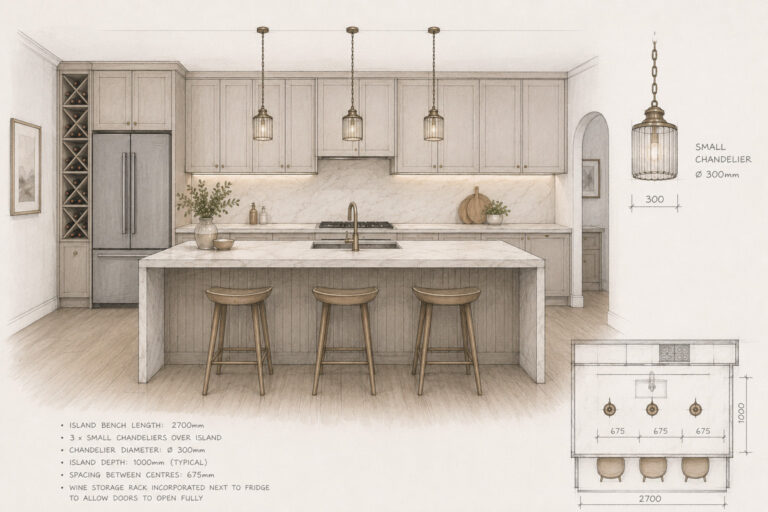
10 Energy-Efficient LED Kitchen Island Lighting Solutions for 2026

Introduction:
Welcome to the bright side of kitchen design, where style meets sustainability! Imagine a world where your kitchen island doesn’t just look fabulous but also helps save the planet (and your electricity bill).
That’s the magic of LED kitchen island lighting, folks! Did you know that switching to LED lighting can reduce your energy consumption by up to 75%? That’s right – we’re not just talking about brightening your space; we’re illuminating a path to a greener future!
As we cruise into 2026, LED kitchen island lighting is having its well-deserved moment in the spotlight. Whether you’re a midnight snack enthusiast, a weekend chef extraordinaire, or the host with the most, the right LED lighting can transform your kitchen island from a simple prep space into an eco-friendly, Instagram-worthy centrepiece.
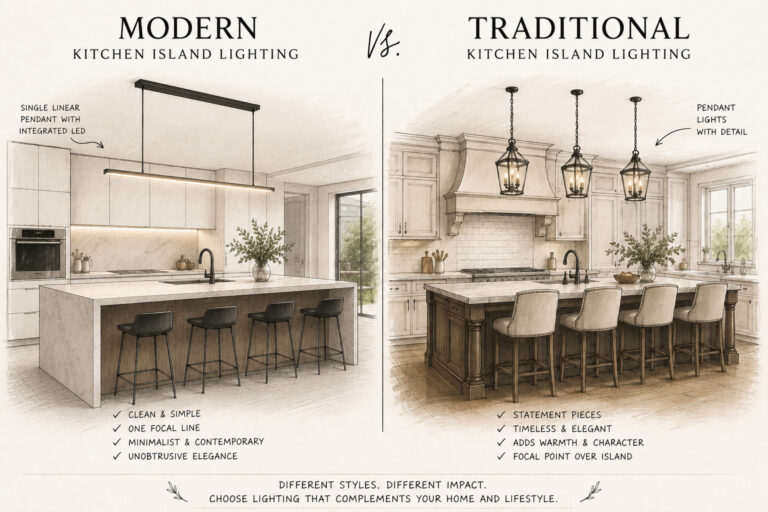
1. Sleek and Chic: Minimalist LED Kitchen Island Lighting Pendant Trios
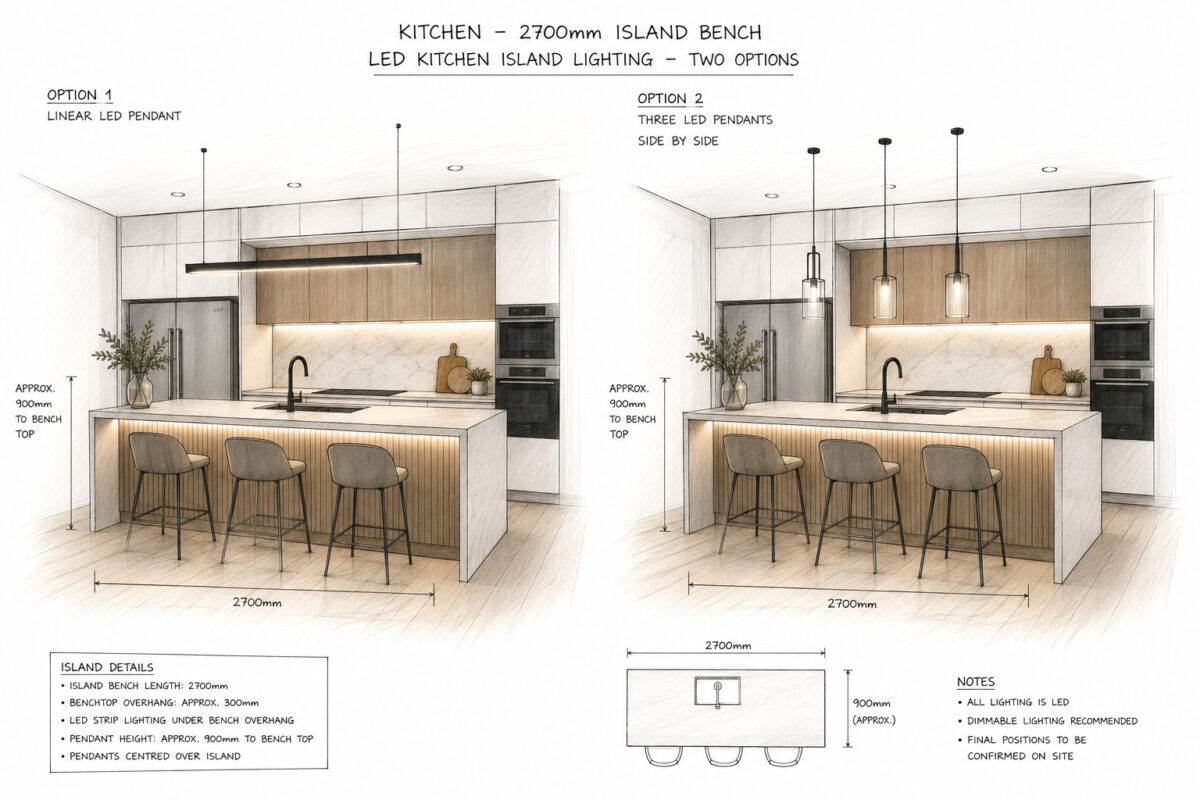
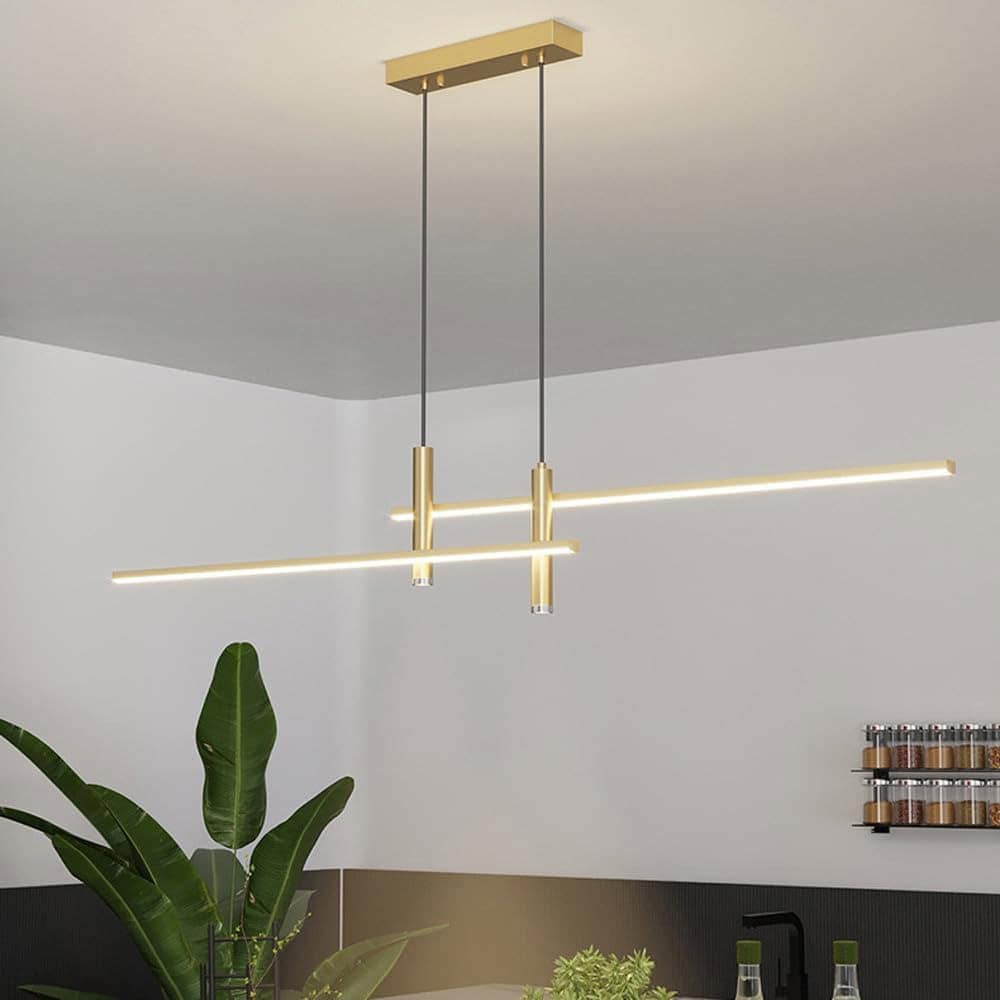
The thing nowadays is that we can gather all the advice we can find but nothing can instantly tell us what appeals to us personally. Do not be afraid of what you like when deciding what to hang in your kitchen. LED Kitchen Island Lighting can take many forms.
From individual pendants to large linear stylised pendants, and they can be flowing or linear with straight lines or curved lines, these are what make up the minimalist LED kitchen Island Lighting.
2. Smart and Savvy: App-Controlled LED Kitchen Island Lighting
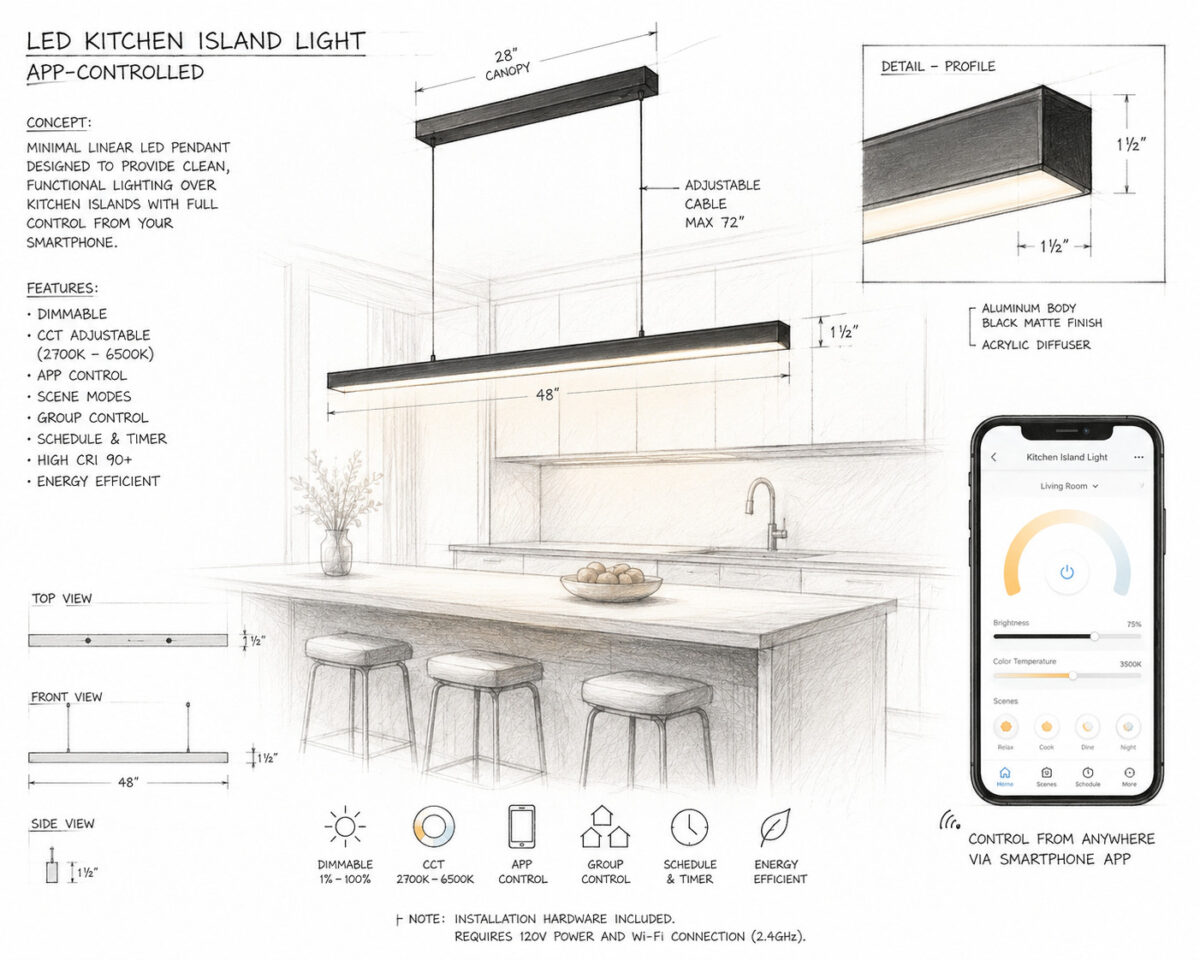
When I first started researching kitchen island lighting options, app-controlled LED kitchen island lighting was not even on my radar. I figured smart lighting was more of a living room thing. My thoughts were “it is for media rooms and Christmas lighting”
But here’s what most people don’t realise about LED kitchen island lighting: it does two jobs at once. It needs to be functional enough to actually illuminate your prep space, and attractive enough to anchor the whole room visually. A chandelier that nails both of those things? That’s genuinely hard to find. App-controlled LED Lights are one of the few options that actually pull it off, because you’re not locked into one brightness or one mood.
The colour temperature control alone is worth it. Most quality app-controlled kitchen island lighting lets you shift anywhere from 2700K — that warm, golden tone that makes your kitchen feel like a cozy restaurant — all the way up to 6500K for bright, clinical task lighting when you’re actually cooking. I use around 4000K for everyday stuff, which is that neutral “white” light that doesn’t feel harsh but still lets you see everything clearly.
Lumens matter more than watts when it comes to LED kitchen island lighting, and that’s something I wish someone had told me sooner. For a kitchen island, you generally want between 2000 – 4000 lumens per 3000mm of linear surface area. That sounds like a lot, but a multi-arm LED chandelier hits those numbers pretty comfortably — and at a fraction of the wattage historically used in lighting to achieve those lumens.
Now, the app side of things. Brands like Philips Hue, Lifx, and Google have all put out solid app-controlled LED kitchen island lighting options in the chandelier category. The ones running on WiFi or protocols are the ones worth your money — I personally prefer the Lifx range, it is so easy to use
Speaking of scenes — this is where smart kitchen island lighting really shines (pun very much intended). You can pre-program a “morning” scene, a “cooking” scene, a “dinner party” scene, and flip between them with one tap. My dinner party scene sits at 2700K and about 35% brightness, and it completely transforms the feel of the kitchen without me touching a single switch. Guests always ask about it, which is honestly a little satisfying.
On the energy efficiency front, a well-chosen app-controlled LED chandelier for your kitchen island typically draws between 30 and 60 watts total. A comparable halogen chandelier? Easily 200 to 300 watts. Over the course of a year, making that switch can save you somewhere around $50 to $90 depending on your electricity rate. It’s not going to pay off your mortgage, but it’s real money — and the lighting quality is genuinely better.
To get the LED app control on any light Fitting can be as simple as choosing Smart Globes for your fitting. Smart app-controlled globes come in all sizes and are easy to operate, usually by your phone or tablet.
3. Industrial Edge: Edison-Style LED Kitchen Island Lighting
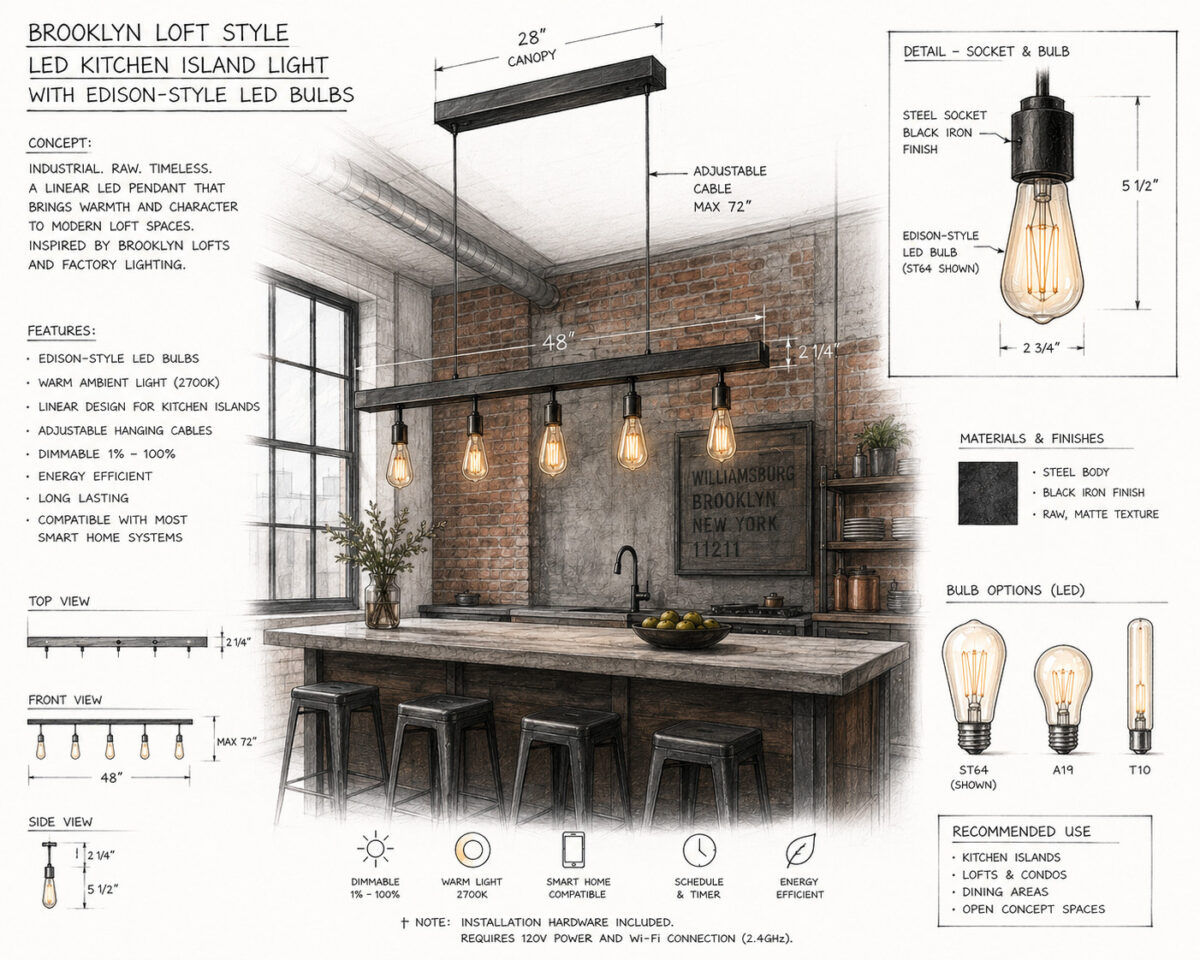
There’s something about Edison-style LED kitchen island lighting that just hits different. I don’t know if it’s the exposed filament look, the warm amber glow, or the fact that it makes any kitchen feel like it belongs in a trendy Brooklyn loft — but this style has stuck around for a reason. And honestly, it deserves its spot on this list.
For a long time, Edison bulbs were kind of an energy efficiency disaster. The original incandescent versions were pulling 40 to 60 watts per bulb just to produce that warm, vintage glow. Put four or five of those in a multi-pendant LED kitchen island lighting fixture and you’re basically running a small space heater over your countertop. Not exactly what we’re going for here.
But LED Edison-style bulbs changed the game completely. You’re now getting that same gorgeous amber filament aesthetic at somewhere between 4 and 8 watts per bulb. That’s a reduction of up to 85% in energy use, and the light quality has genuinely caught up. Early LED Edison bulbs had this slightly “fake” look to the filament — kind of stiff and uniform. The newer ones? Much more convincing.
For LED kitchen island lighting in the Edison style, the sweet spot for color temperature is right around 2200K to 2700K. That’s the range that gives you that rich, warm, golden tone without tipping into orange or yellow territory. Anything above 3000K and you start losing that vintage character — it just looks like a regular warm white bulb at that point, which defeats the whole purpose.
Fixture-wise, Edison-style LED kitchen island lighting tends to work best in a few specific setups. Multi-pendant clusters over a long island are the most popular, and for good reason — spacing three to five pendants evenly along a 2-3 meter island creates that layered, intentional look that feels curated without being over the top. A good spacing rule is one pendant for every 300mm – 400mm of island length, hung at about 600 – 700mm above the countertop surface.
Cage-style and open-frame fixtures are another great pairing for this aesthetic. The exposed bulb sits inside an industrial wire or metal cage frame, and the whole thing feels intentional and a little bit rugged. It works especially well in kitchens that already have some raw elements — think open shelving, concrete counters, dark cabinetry, or matte black hardware. The Edison LED lighting ties those elements together without trying too hard.
Energy efficiency numbers worth knowing: a 5-pendant Edison LED kitchen island lighting setup running 6-watt bulbs is pulling just 30 watts total. Run it for 5 hours a day and you’re looking at roughly $6 to $8 a year in electricity. That’s basically nothing. Compare that to the incandescent version of the same setup at around 250 watts and the savings become very real, very fast.
The industrial aesthetic isn’t for every kitchen, and I get that. But if your space has any hint of modern farmhouse, urban industrial, or even rustic character to it — Edison-style LED kitchen island lighting is one of those choices that people will notice and compliment every single time. It’s one of those rare things that looks expensive, saves you money, and actually works well. Hard to argue with that combo.
4. Nature-Inspired: Organic LED Kitchen Island Lighting Sculptures
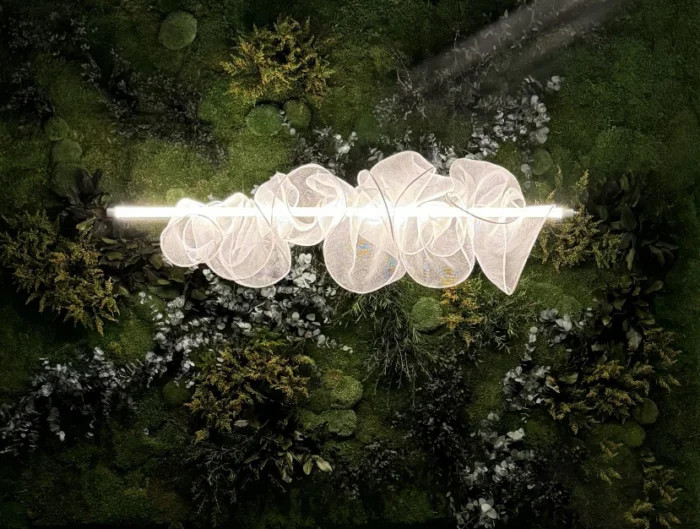
I’ll be upfront — when I first came across the term “biophilic design” in the context of LED kitchen island lighting, I had to Google it. Twice. It sounds like something an architect would say to justify a very expensive decision. But once I actually understood what it meant, it clicked immediately. Biophilic design is basically the idea that humans feel better, calmer, and more connected when their spaces incorporate natural elements. And in kitchen lighting specifically, it’s having a real moment right now.
Organic LED Kitchen Island lighting sculptures are the design world’s answer to that need. Instead of clean lines and geometric shapes, these fixtures lean into asymmetry — branching forms that mimic tree limbs, flowing curves that echo water, clustered globes that feel like a handful of river stones suspended mid-air. It sounds a little out there, but in practice, this style of LED kitchen island lighting can completely transform the energy of a room without changing a single other thing.
The materials used in these fixtures are a big part of what makes them work so well with LED technology specifically. Rattan, bamboo, blown glass, dried botanicals, and even resin-encased natural elements are all commonly paired with LED light sources in this category. And here’s why that pairing works so well — LEDs run cool.
Traditional incandescent or halogen bulbs generate serious heat, which would damage or discolor organic materials over time. LEDs don’t have that problem, which is why sculptural designs using natural materials only really became practical once LED technology caught up.
Blown glass is probably the most popular material in this category right now, and for good reason. When an LED sits inside an irregularly shaped glass globe — especially amber, smoke, or sea glass tones — the light diffuses in ways that feel genuinely organic. No two shadows are quite the same. No two angles look identical. That unpredictability is kind of the whole point, and it’s something flat or uniform fixtures just can’t replicate.
A lot of these LED Kitchen Island Lighting fixtures also now come with dimmer compatibility built in, which matters more than people think for this style. At full brightness, an organic LED sculpture is a statement. Dimmed down to 30 or 40%, it becomes something closer to art — ambient, warm, and atmospheric. That flexibility is part of what makes this category such good value as an LED kitchen island lighting investment, because it genuinely works across multiple moods and occasions without you needing to change a thing.
One honest caveat — this style isn’t the right fit for every kitchen. If your space is very modern, very minimalist, or very traditional, an organic LED Kitchen Island lighting sculpture might feel out of place. But for kitchens with warm tones, natural textures, open shelving, or any kind of earthy, eclectic personality? This category of LED kitchen island lighting is one of the most visually rewarding choices you can make. And the fact that it’s also energy efficient just makes the decision that much easier to feel good about.
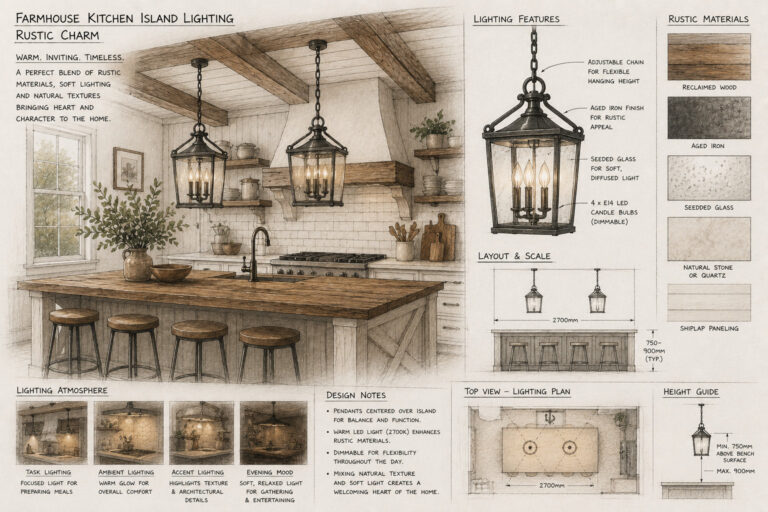
5. Rustic Charm Meets Eco-Friendly: LED Kitchen Island Lighting Farmhouse Fixtures
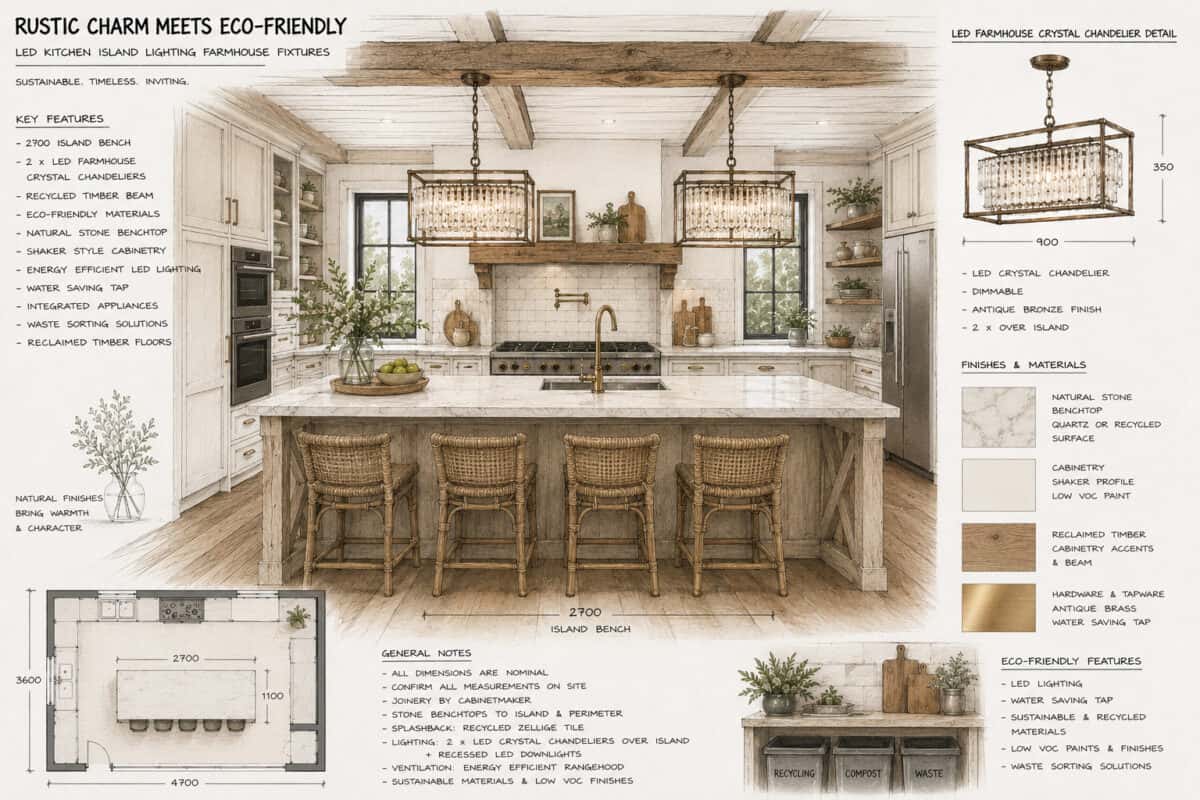
For a long time, farmhouse-style LED kitchen island lighting and LED technology were kind of an awkward pairing. The early LED bulbs available for these fixtures were too cool, too blue, and too harsh to work with the warm, lived-in aesthetic that makes farmhouse design so appealing in the first place. You’d put an early version of an LED bulb into a beautiful barn-style pendant and it would look completely wrong — like putting sneakers with a formal dress. Technically functional, visually off.
That problem has been largely solved now, and it’s worth understanding how. Modern warm LED bulbs specifically designed for farmhouse and rustic applications are now available in color temperatures as low as 2200K, which is actually warmer than a standard incandescent bulb at 2700K. That extra warmth produces a deeply golden, almost candlelit glow that works beautifully inside matte black metal cages, whitewashed wood fixtures, and antique brass lantern frames — all the hardware that defines classic farmhouse kitchen island lighting.
The filament-style LED bulb deserves a special mention here because it’s genuinely the bridge between old and new in this category. These bulbs are designed to look like vintage Edison incandescents from the outside — visible filament loops, amber-tinted glass, traditional bulb shapes like Pilot A60, G95. But inside, they’re running on modern LED technology at 4 to 8 watts per bulb. The visual is authentic. The energy consumption is not. And honestly, that’s exactly the kind of deception I am completely fine with.
One thing that surprises people about farmhouse-style LED kitchen island lighting is how well it handles larger fixture formats. Farmhouse pendants and lanterns tend to run big — we’re talking fixtures that are 300mm – 400mm in diameter, sometimes with multiple bulb sockets. In the incandescent era, those multi-socket fixtures were energy hogs. Four sockets at 60 watts each is 240 watts just for one pendant. Swap those out for 6-watt LED filament bulbs and you’re at 24 watts total — a 90% reduction — with virtually no visible difference in the quality or warmth of the light produced.
The finish options available in farmhouse LED kitchen island lighting are also worth talking about because they affect more than just looks — they affect longevity. Matte black and oil-rubbed bronze are the two dominant finishes in this category right now, and both happen to be excellent choices for kitchen environments.
They hide fingerprints, resist moisture-related wear, and don’t show the gradual yellowing that polished finishes tend to develop over time near cooking areas. Antique brass is having a moment too, and it pairs particularly beautifully with warm LED color temperatures in the 2200K to 2700K range.
Balancing that traditional farmhouse aesthetic with modern LED efficiency isn’t really a compromise anymore — and I think that’s the most important thing to take away from this category. A few years ago you were making a choice between style and efficiency. Today, the right farmhouse LED kitchen island lighting fixture gives you genuinely both. The look is authentic. The energy use is minimal.
The warmth is real. And the whole thing will probably outlast every other fixture in your house, because quality LED components in a well-built farmhouse fixture are rated for 25,000 to 50,000 hours of use. Do the math on that — at 5 hours of use per day, you’re looking at 13 to 27 years before you even think about replacing it. Now that’s rustic built-to-last energy, just with a much smaller electricity bill.
6. Space-Saving Solution: Ultra-Thin LED Panel Lights
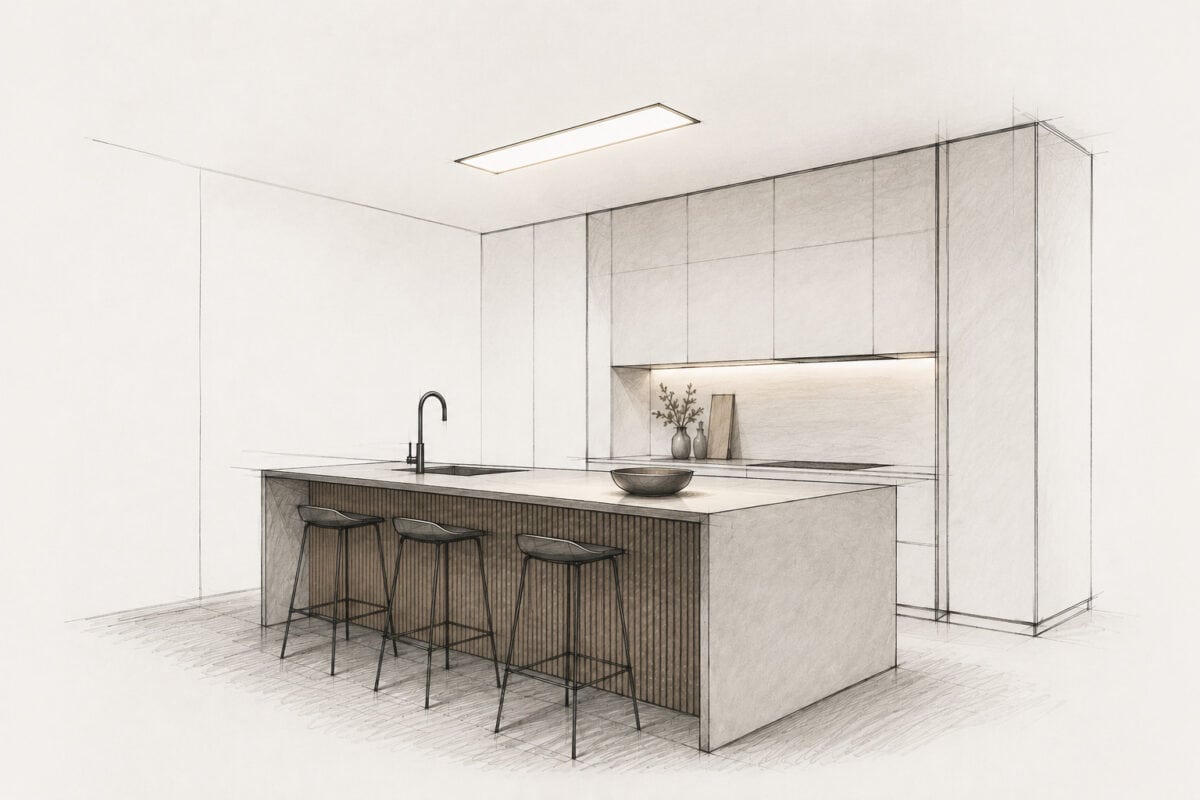
Maximising headspace with slim designs is synonymous with the minimalistic design style. By creating visual space at head height, this reduces visual clutter and exudes minimalism at its core.
LED Kitchen Island Lighting in LED Panels, from a practical perspective, creates even light distribution over your work area without interfering with the clean lines of your minimal design. All you will need to make it more flexible is to incorporate a dimmer function into your light control.
LED Thin Light Panels provide energy-efficient, large-surface-area lighting, ensuring you get all the light where you need it to make your kitchen functional. There is nothing worse than not having either enough light or light in the wrong placement when it comes to LED Kitchen Island Lighting
What are the installation considerations for recessed LED panels needed? Well, the most common issue with panel lighting is “where are the ceiling joists?” You may need to use a size that will actually fit in between your ceiling joists. This is where planning early, talking to your builder, or having the construction plans can reduce costs when it matters.
7. Glamour and Efficiency: Crystal-Embellished LED Chandeliers
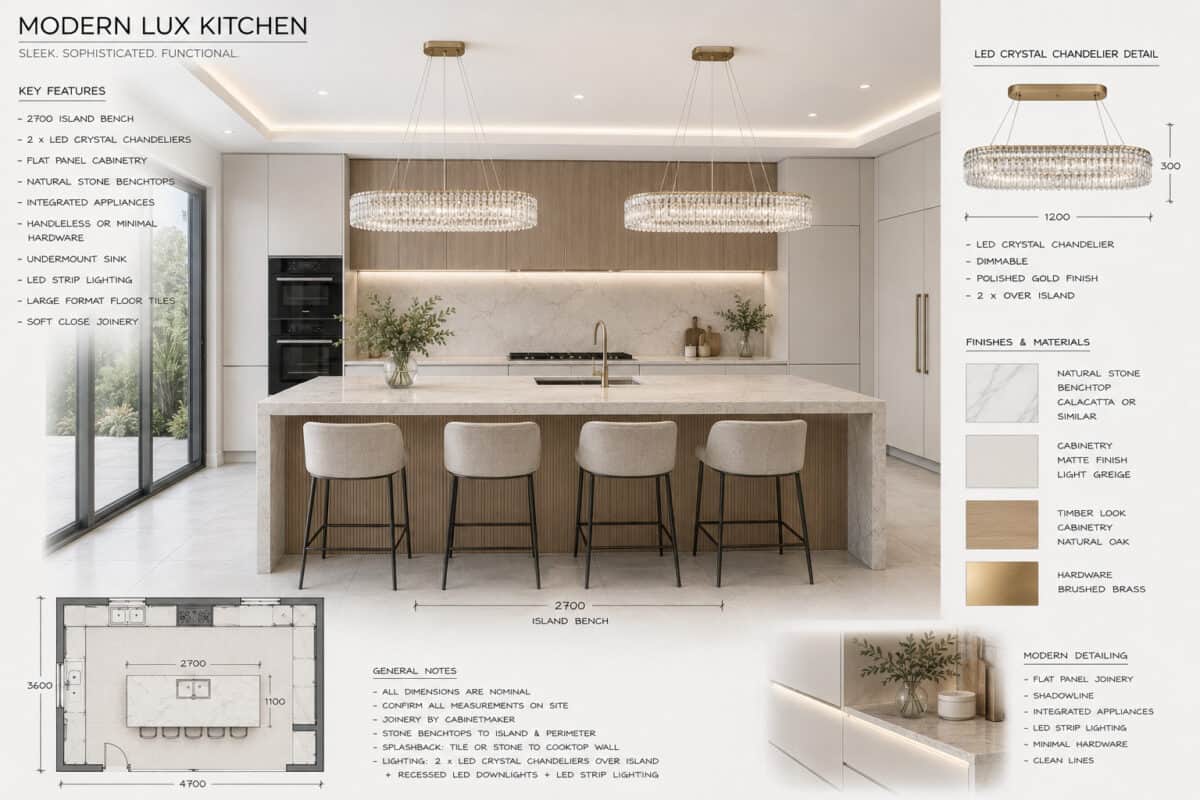
I’ll be honest — when I first started looking into LED kitchen island lighting, I never thought I’d end up obsessing over crystal chandeliers. That felt like something for ballrooms and fancy hotels, not a kitchen where I’m chopping onions and reheating leftovers. But once I started digging into how far LED technology in luxury lighting design has actually come, my whole perspective shifted.
Modern crystal-embellished LED chandeliers are nothing like the old heavy fixtures that used to eat electricity like it was free. Today’s designs use integrated LED light sources built right into the framework of the chandelier, pulling somewhere between 30 to 60 watts total. Compare that to the 200+ watts a traditional crystal fixture with incandescent bulbs would burn through, and you’re looking at real energy savings without sacrificing sparkle — like, genuinely significant savings on your monthly bill, especially if your kitchen lights run 6 to 8 hours a day the way mine do.
And the sparkle part? That’s where the LED technology really shines, no pun intended. LEDs produce a concentrated, directional light that hits the crystal prisms differently than old bulbs did. You get this gorgeous scattering effect across your countertops and ceiling that actually looks better with LEDs. My kitchen is maybe 180 square feet, and after swapping in the right fixture, the whole space felt bigger and more polished — like something out of an interior design magazine.
Color temperature plays a big role in getting that effect right. For LED kitchen island lighting specifically, you want to stay in the 2700K to 3000K range. That warm white tone plays beautifully off crystal refractions without making your kitchen feel clinical. Go above 4000K and the light runs too cool — the crystals start looking almost grey instead of catching the light the way they should.
One of the features I wish someone had told me to prioritize earlier is customizable brightness levels. A good dimmable LED driver is honestly non-negotiable for a crystal chandelier over a kitchen island. Full brightness at 100 percent is perfect for meal prep or when you’ve got people over, but being able to dial it back to 30 or 40 percent for a quiet morning coffee or a dinner party changes the whole mood of the room. Look for fixtures that are compatible with standard dimmer switches, and double-check that the LED driver is actually rated for dimming — not all of them are, and that’s been a frustrating discovery for more than a few people mid-installation.
Now, maintenance is something that doesn’t get talked about enough when people are shopping for these fixtures. The good news is that LED bulbs in crystal chandeliers last anywhere from 25,000 to 50,000 hours, so you’re not up on a ladder swapping bulbs every few months like the old days. But the crystals themselves do collect grease and dust in a kitchen environment, which dulls that sparkle over time.
What’s worked best for me is a light wipe-down with a microfiber cloth every few weeks, and a more thorough clean every three to four months using a 1-part isopropyl alcohol to 3-parts distilled water solution. Spray it on the cloth, not directly on the fixture, and always make sure the lights are off and cooled down first. It takes maybe 20 minutes and makes a huge difference in how the light scatters.
Sizing is the last thing I’ll mention because it’s one of those details that’s easy to get wrong. A rule that’s served me well — add the length and width of your island in feet, then convert that number to inches for your ideal fixture diameter.
A 4×2 foot island calls for roughly a 24-inch wide chandelier. Too small and the fixture looks lost; too large and it overwhelms the space. Getting that balance right is what takes a kitchen from looking nice to looking intentional.
8. Versatile Virtuoso: Adjustable Energy Efficient LED Track Lighting
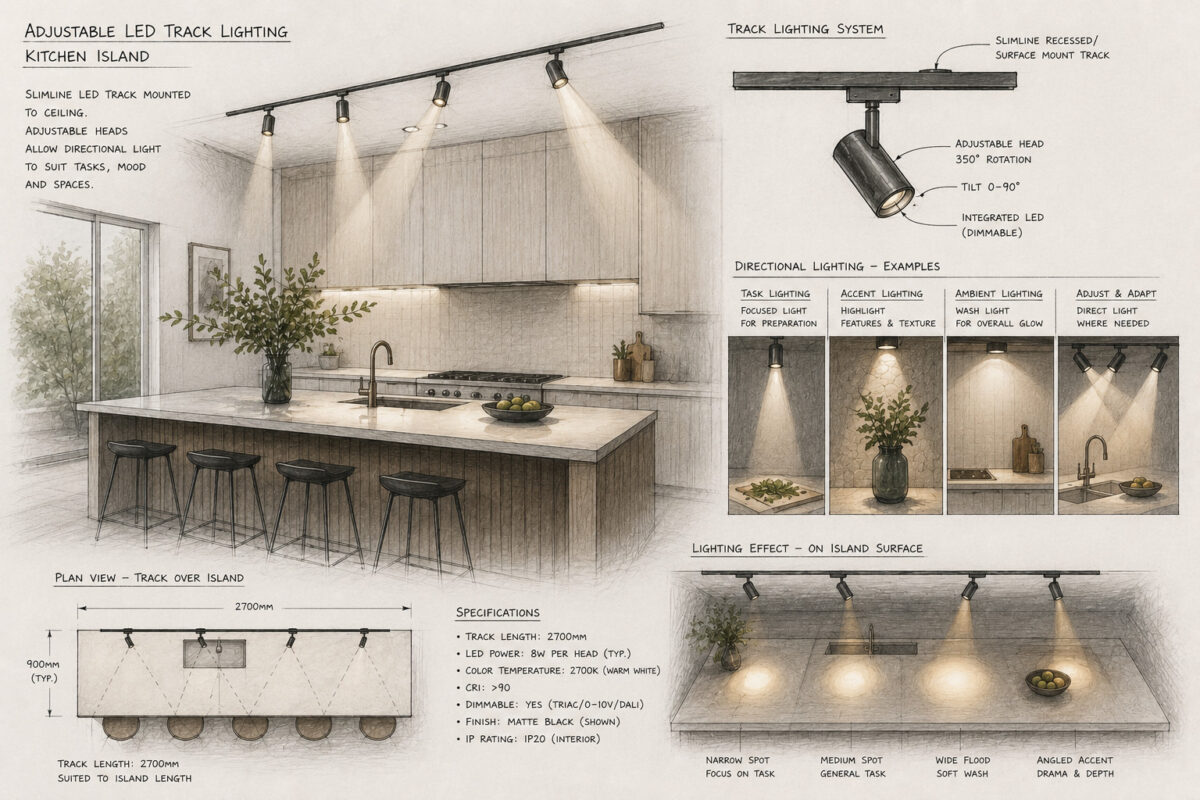
I’ll be honest, I didn’t think much about kitchen task lighting until I sliced my thumb open trying to dice an onion in dim light. Not bad enough for stitches, but bad enough to make me rethink my whole island setup.
That’s when I started looking into adjustable LED Kitchen Island Lighting track lighting, and it’s been a bit of a game changer since.
The flexibility is really what sold me. Unlike fixed pendant lights, which look great but stay locked in one position forever, track heads can be twisted and angled wherever you actually need light at that moment.
For energy-efficient spotlighting, I went with heads pulling around 7 to 9 watts each, putting out somewhere between 600 and 750 lumens. That’s plenty bright for focused tasks like reading recipes or checking if your steak’s actually cooked through, without torching your power bill.
Four heads running a few hours nightly costs me only a couple cents a day, which still surprises me every time I think about LED Kitchen Island Lighting.
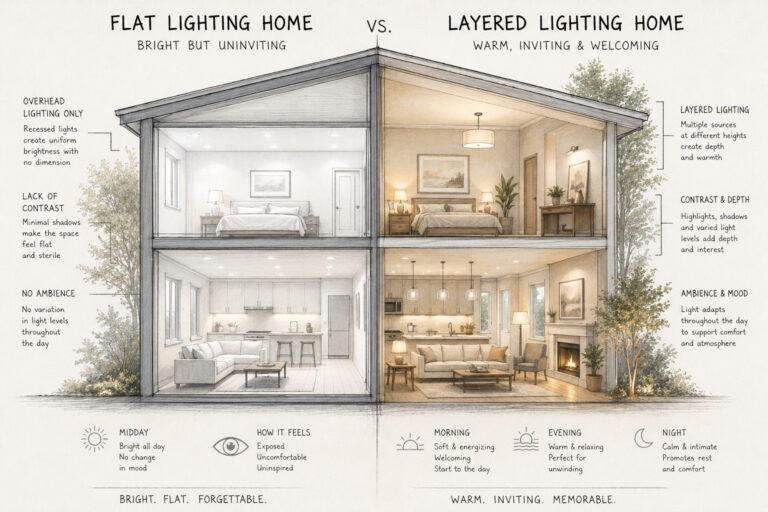
Combining ambient and focused lighting was the real trick though, and it took some trial and error to get right. I run the track heads on a separate switch from my under-cabinet ambient strips, so I can layer the light depending on mood or task. I also recommend using warm white lighting 3000K, which will give the best light for the LED Kitchen Island Lighting
Cooking dinner means everything’s on bright, but a lazy Sunday morning calls for just the soft under-cabinet glow.
Here’s where customization really shines, especially if your kitchen layout isn’t set in stone. We rearranged our island position once during a small reno, and rather than rewiring everything, I just slid the track heads along the rail to the new spot. No electrician call-out, no drama, just a quick five minute adjustment.
One thing that tripped me up early was assuming all heads needed to point the same direction for “consistency.” Turns out that’s backwards thinking entirely. Varying the angles actually reduces harsh shadows on the countertop, something
9. Eco-Chic Statement: Recycled Material LED Pendants
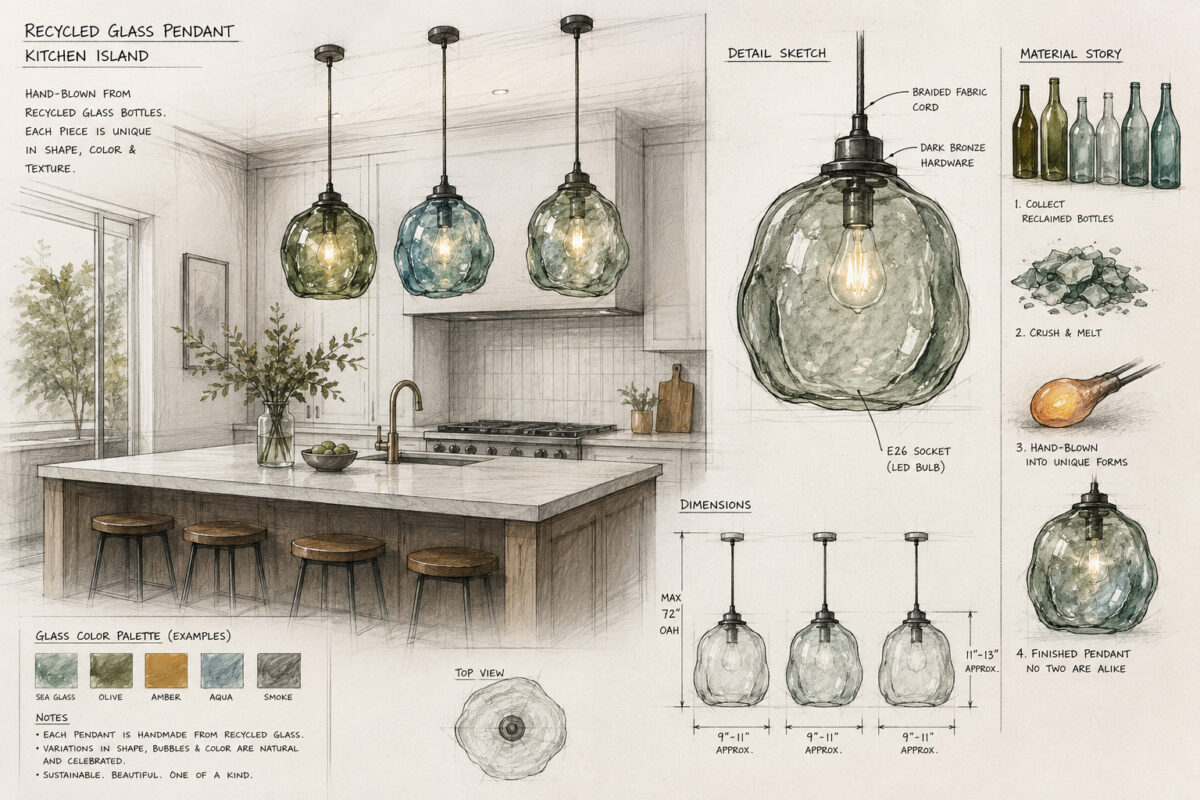
I started researching recycled material LED pendants for my Energy Efficient LED island, and turns out the options are way cooler than I expected.
The pendant I ended up loving most was made from recycled glass bottles, melted down and reshaped into these chunky, irregular globes.
Each one had slightly different bubbles and swirls in the glass, which means no two pendants looked exactly alike. That imperfection actually became the whole charm of the piece, something I didn’t expect to care about so much.
Light diffusion through recycled glass is genuinely different from standard fixtures too. Because the glass isn’t perfectly uniform, it scatters light in this soft, almost dappled way instead of a harsh direct beam. My kitchen island ended up with this warm, textured glow that regular frosted glass pendants just don’t replicate, not even close.
Balancing eco-friendliness with actual energy efficiency was my main worry going in, since I figured sustainable materials might mean compromising on performance. Turns out that’s not really true. The LED bulbs inside still pulled around 9 watts each while putting out close to 800 lumens, so I wasn’t sacrificing brightness for the sake of feeling good about my choices.
For anyone who’s handy and wants to go the DIY route, there’s actually a decent community of people making their own pendants from reclaimed wine bottles, mason jars, even old metal colanders believe it or not.
I tried making one myself using a thrifted copper bowl and a basic LED pendant kit from the hardware store, total cost under 40 bucks. It wasn’t perfect, the wiring took me three attempts to get right,(you do need to get the wiring checked by an electrician before using).
But there’s something satisfying about hanging a light fixture you made with your own two hands above the island where your family eats dinner every night.
One thing worth mentioning, sourcing genuinely recycled materials can be a bit of a mission depending on where you live. I had to order glass pendants online since my local lighting shops only carried mainstream stuff, and shipping added a decent chunk to the cost. Still, for anyone wanting their LED kitchen Island lighting to actually mean something beyond just looking nice, recycled material pendants tick a lot of boxes at once.
10.The Future is Bright – Emerging LED Kitchen Lighting Trends
My nephew’s into all things tech, and last Christmas he wouldn’t stop banging on about OLED lighting panels like they were the second coming. I’ll admit, I was skeptical at first, mostly because OLED has always been the territory of fancy TV screens rather than something practical for a kitchen.
But after digging into it a bit and chatting with a lighting supplier mate, I started to see why people are getting excited.
OLED, for those not in the loop, stands for organic light-emitting diode, and unlike regular LEDs which are basically point sources of light, OLEDs glow as a flat, even panel. That means no harsh hotspots or glare, just this soft, diffused light across the entire surface.
For kitchens, that could mean ultra-thin light panels built right into cabinet undersides or even ceiling sections, though I’ll be honest, residential OLED fixtures are still pretty pricey and not exactly common in everyday hardware stores yet.
Now, UV sanitizing LEDs are something I genuinely didn’t expect to get excited about, but here we are. These use UV-C light, typically in that 200 to 280 nanometer range, which has been shown to disrupt the DNA of bacteria and viruses sitting on surfaces.
I tried a small UV sanitizing puck light under my kitchen sink cabinet for sponges and dish brushes, and not gonna lie, it gave me peace of mind knowing my sponge wasn’t basically a bacteria hotel anymore.
A word of caution here though, because this one matters a lot. Direct UV-C exposure is genuinely harmful to skin and eyes, so any fixture needs proper shielding and should never be something you’re standing under while it’s running.
I made the mistake of glancing too close at mine once while installing it, copped a slightly irritated eye for a day, and learned my lesson about reading installation instructions properly before flicking the switch.
The biorhythm-supporting lighting trend is probably my favorite of the bunch, mostly because I’ve felt the difference myself.
These are tunable white LED systems that shift color temperature throughout the day, running cooler and brighter, somewhere around 5000K, during morning hours to help you feel alert, then gradually warming down toward 2700K in the evening to support natural melatonin production.
I set mine on an automatic schedule, and within about two weeks I noticed I wasn’t lying awake scrolling my phone under harsh white light at 9pm anymore, which was a genuine surprise.
What’s interesting is that this isn’t just marketing fluff either. Research has actually linked exposure to cooler, bluer light in the evening with disrupted sleep cycles, since light above roughly 5500K can suppress melatonin and keep your brain thinking it’s still daytime.
For a room like the kitchen, where you might be cooking dinner right up until bedtime, having lighting that winds down with you instead of against you makes a real difference, even if it took me a hot minute to actually notice it working.
Conclusion:
Remember, the right LED Kitchen Island lighting doesn’t just illuminate your island; it elevates your entire kitchen experience. It’s the environmentally friendly cherry on top of your kitchen sundae, the eco-conscious bling that makes even your late-night fridge raids feel like a red carpet event.
As we’ve discovered, 2026 is all about marrying style with sustainability, functionality with flair. Whether you’re team minimalist pendant, proud smart home enthusiast, or a color-changing convert, or even traditional lux country style gal, there’s an LED solution out there waiting to light up your life (and reduce your carbon footprint).
So, what’s it going to be? Are you ready to flip the switch on your old energy-hungry fixtures and leap into the LED revolution? Remember, good lighting is like a good diet – it makes everything look better and leaves you feeling great about your choices.
Now, I’m buzzing to know – which of these LED lighting solutions has lit up your imagination? Are you dreaming of app-controlled ambiance or swooning over sustainable sculptures? Share your bright ideas, LED love stories, and even your energy-saving success tales in the comments below. And don’t forget to check out our curated selection of these eco-fabulous fixtures through the affiliate links sprinkled throughout this post.
Let’s light up our kitchens and lighten our environmental impact, one LED bulb at a time! Here’s to brighter, greener, and more stylish cooking spaces in 2026 and beyond. Now, if you’ll excuse me, I’m off to calculate my future energy savings. Happy illuminating, everyone!